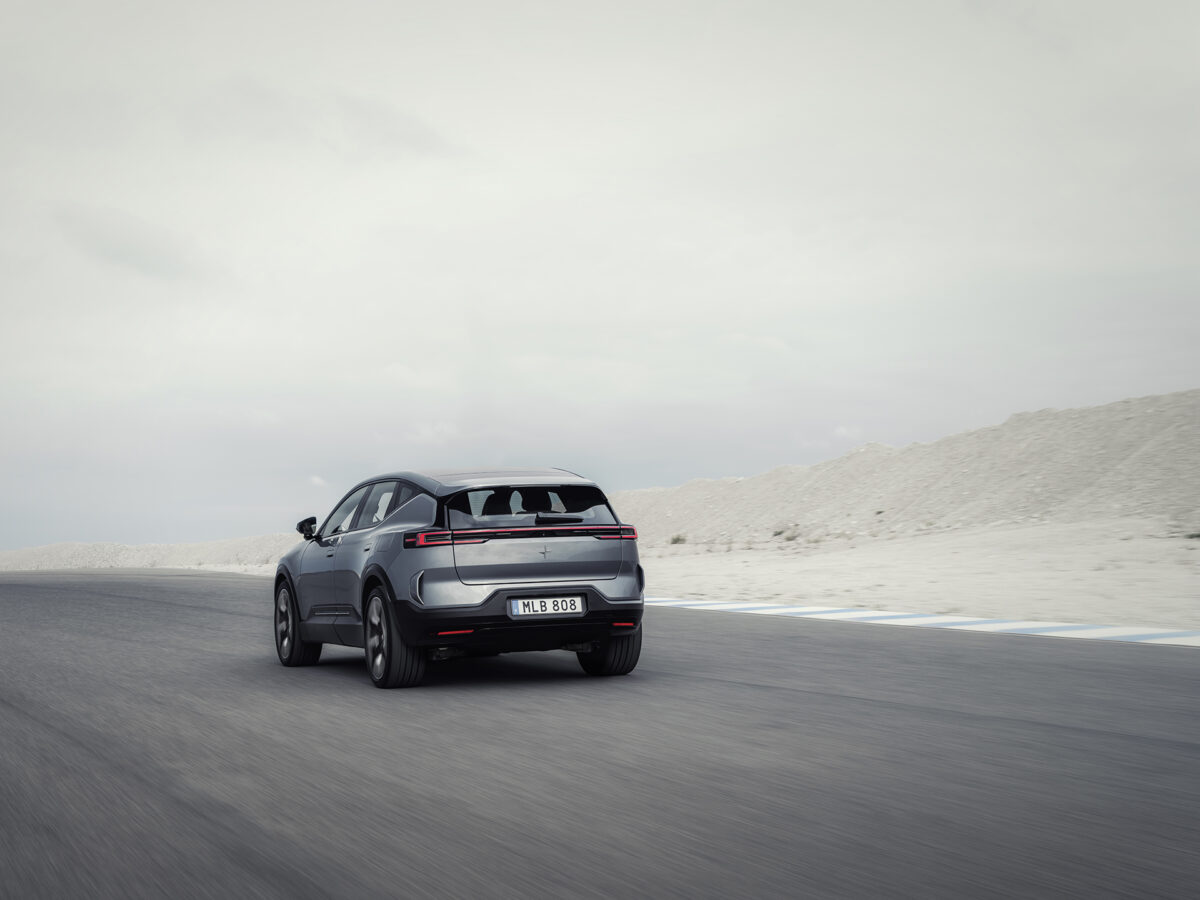

Here is a sentence that should not make sense in 2026: the United States just blocked the sale of an electric SUV that is assembled by American workers in an American factory. That is the situation Polestar now faces. The Department of Commerce’s Bureau of Industry and Security refused the brand the clearance it needs to keep selling new cars past the 2027 model year, and the reason has nothing to do with where the cars are built and everything to do with who owns the company.
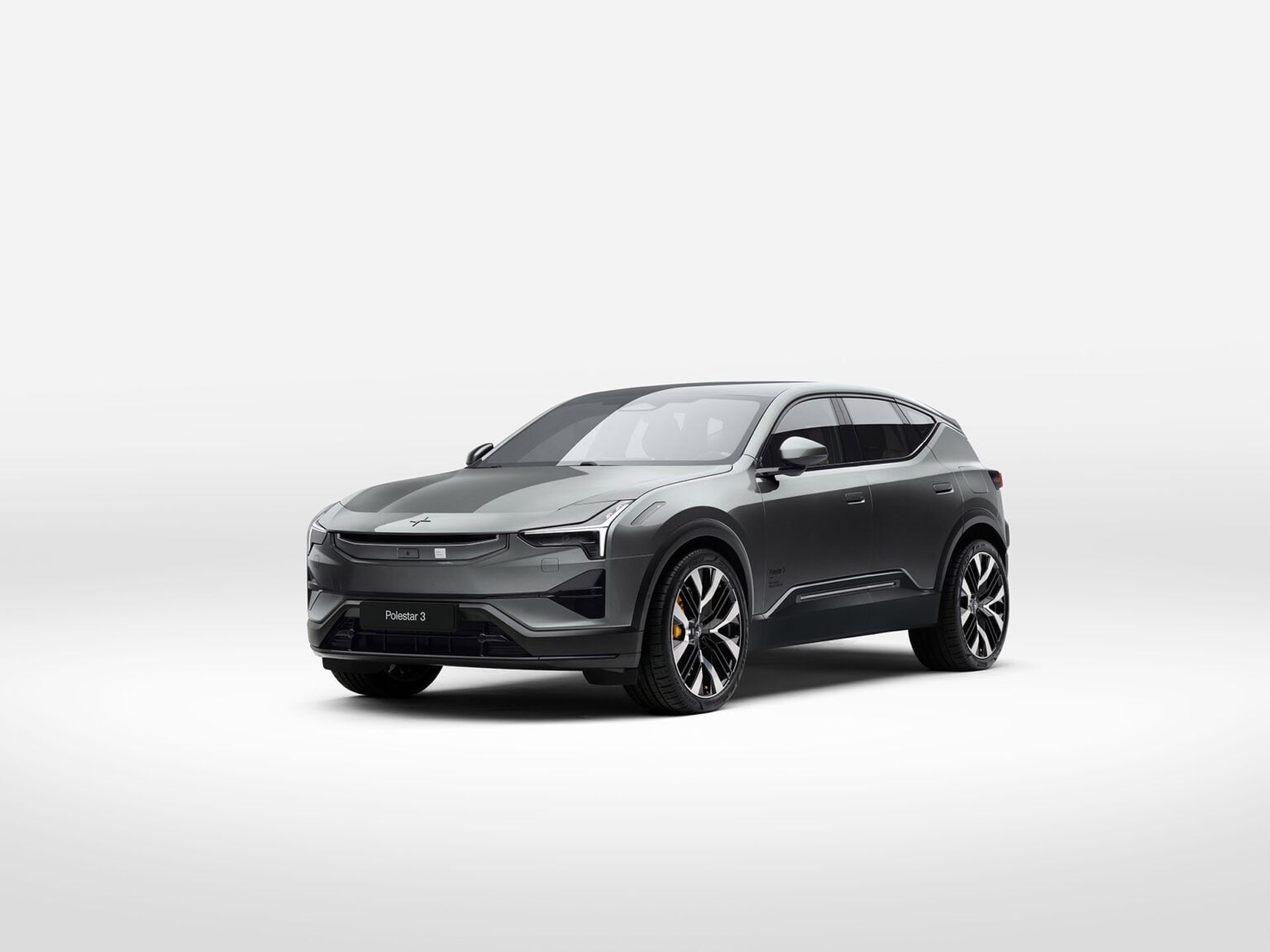
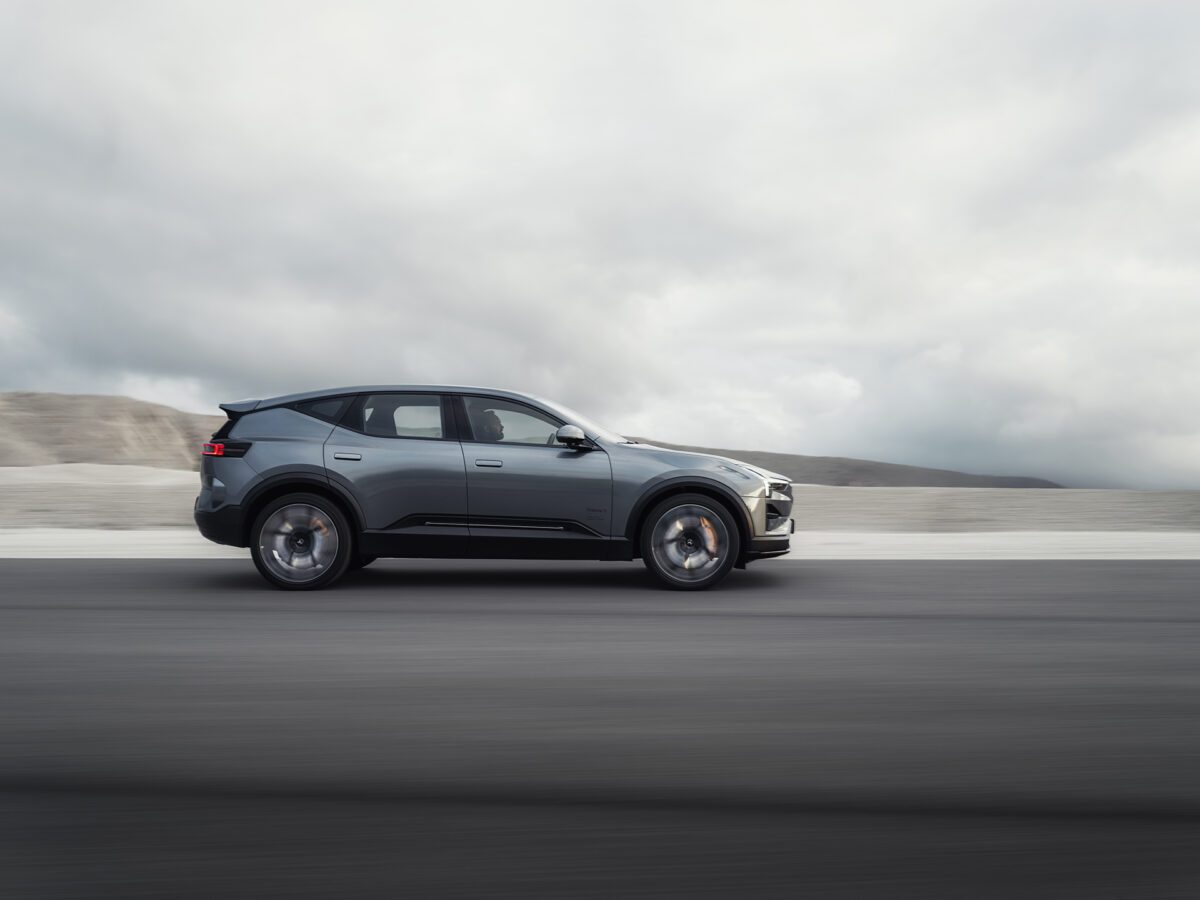
What makes this sting is not just its bureaucratic absurdity. It is that the car at the center of the mess, the Polestar 3, is genuinely one of the most resolved, best-looking, and best-engineered electric SUVs you can currently buy. America is not banning a forgettable compliance car. It is banning a legitimately desirable one. And to make matters worse, all of this is happening with the biggest clearly visible heatwave hitting the developed world, a clear sign of climate change that’s partly influenced by millions of vehicles on the road today, powered by ICE (Internal Combustion Engines).
The Rule That Bites Because of a Name
The mechanism here is the Connected Vehicle Rule, finalized under the Biden administration and now being enforced with enthusiasm under Trump. It bars vehicles that use Chinese or Russian software and hardware in their connectivity systems from the US market, framed entirely in national security terms. The worry is straightforward on paper: a connected car with components within Beijing’s reach could feed data home or be tampered with remotely. Software restrictions hit first, starting with the 2027 model year, and the hardware side follows in 2030.
Polestar gets caught because Geely, the Chinese automotive giant, owns a majority stake in the brand. It does not matter that Polestar is run out of Sweden, designs its cars with Volvo DNA, or builds its flagship in the Carolinas. The ownership structure is the trigger, and once that rule is pointed at you, the paperwork does the rest.
The Volvo Problem Nobody Wants to Explain
This is where the whole thing starts to look less like clean national-security policy and more like a coin flip. Volvo, which is also majority-owned by Geely, secured a waiver back in May and gets to keep selling. Polestar, the same parent company, did not. Two brands under the same Chinese umbrella, two opposite verdicts, and no obvious public logic separating them.
And Polestar is not alone in the firing line. Lincoln sells the Chinese-built Nautilus, and Buick sells the Chinese-built Envision, so both face the same authorization hurdle. When a rule about foreign software ends up potentially benching a Lincoln, you start to suspect the policy is being used as a trade lever as much as a security shield. The administration has spent months casting this effort as protection for domestic manufacturing, which is a curious thing to say while shutting down a domestic manufacturing line.
The South Carolina Factory in Limbo
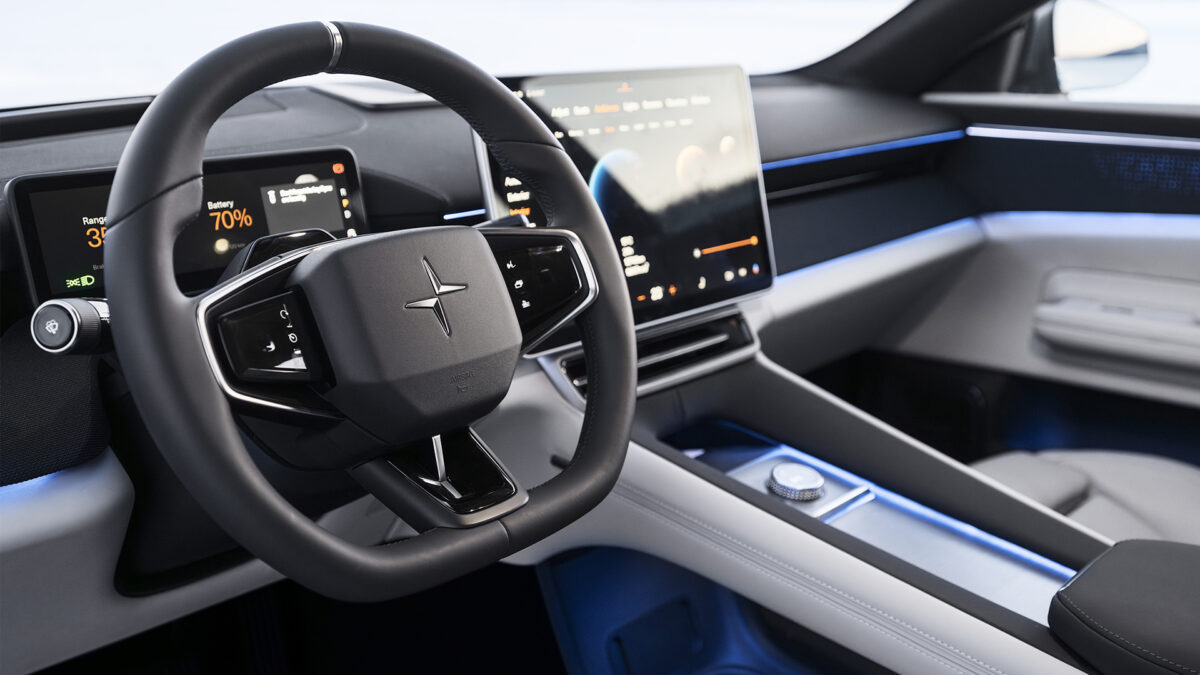
The cruelest detail is the Polestar 3, the only model the company builds in the US, which has been assembled in South Carolina since 2024. Those cars are not only sold here but also shipped across the Atlantic to Europe. So you have an American plant, American jobs, and American-built EVs, and the American government just removed its home market. What happens to that operation now is genuinely unclear, and Polestar has not said.
Existing stock gets a stay of execution. Whatever Polestar 3 and Polestar 4 inventory is already on US soil can still be sold, and the brand says it will continue to service the cars and the people who bought them. The harder question is who walks into a showroom to buy a brand-new EV from a company that just got locked out of the country. That is a tough sell no matter how good the car is, and the Polestar 3 is a very good car.
The Verdict: Europe Was Always the Real Story
Here is the twist that makes this less of a tragedy than it first appears. Polestar is not even fighting the decision, and its own numbers explain why. A staggering 94 percent of the brand’s retail sales in the first quarter of 2026 happened outside the United States. America was never the engine. CEO Michael Lohscheller is openly pivoting toward Europe, where the upcoming Polestar 7 will be built, while eyeing growth in Southeast Asia, Eastern Europe, Latin America, and Canada.
So the bottom line is this: the US just made a loud, contradictory decision to ban a car it helped build, and the company most affected basically shrugged. For American buyers who liked what Polestar was doing, it is a real loss. For Polestar, it is a footnote on the way to a market it cares about far more. That tells you everything about where the EV center of gravity actually sits, and it is not here. Which is a damn shame for a developed country, but we’ll put politics like that aside. Overall, its a big net loss for U.S. customers, and hopefully with the forthcoming elections, this might change, and give EVs and eco-friendly motoring a better path towards a more sustainable future.