
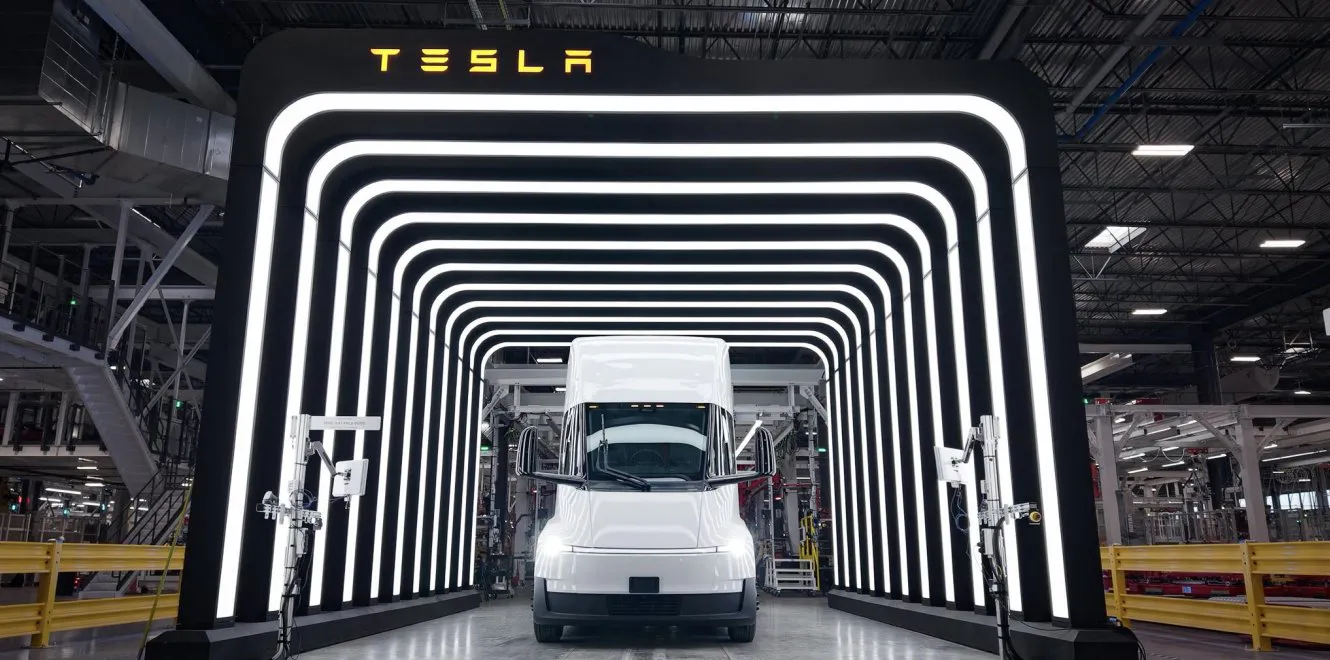
For years, autonomy on the Tesla Semi has lived in the same bucket as most of Tesla’s long-range promises: directionally certain, temporally vague. That changed this week. During Tesla’s Q2 2026 earnings call, an analyst pressed Elon Musk on when the Semi would get real self-driving capability, and for the first time, Musk gave a window instead of a shrug: sometime around the end of this year or in early 2027.
It’s a modest-sounding answer, but for anyone tracking the Semi program, it’s the clearest signal yet that autonomy for Tesla’s heavy-duty truck isn’t an afterthought — it’s just further back in the queue.
Why the Wait
Musk was refreshingly candid about the reasoning. This isn’t a technical roadblock; it’s a resourcing decision. Tesla’s self-driving team is currently focusing its attention on the Model 3, Model Y, and Cybertruck — the vehicles that make up the bulk of Tesla’s fleet on public roads. With Semi units still representing a small slice of that total, even after the Nevada Gigafactory ramp, Musk said it made more sense to keep engineers focused on what he called the “march of nines” of safety for the highest-volume vehicles first.
In his words, autonomous Semi development is taking “a bit of a backseat for the next six months or so.” But he was equally clear that it’s not being shelved — it “will definitely be working next year and in time for the scale-up to high production of the Tesla Semi.”
The Hardware Is Already There
What makes this timeline believable rather than aspirational is that the physical groundwork has clearly already been laid. Production Semi trucks are rolling off the line with ten AI4-based cameras built directly into the exterior — not bolted on later, but integrated as standard equipment. That’s the same sensor suite underpinning FSD across Tesla’s passenger lineup.
On top of that, validation units have already been spotted on public roads. A Semi wearing a full rooftop sensor rig — the kind Tesla mounts on vehicles ahead of an FSD milestone — turned up in Sunnyvale in June. A second one, with a matching camera array and lens washers, was seen near Fremont days later. In other words, Tesla isn’t just talking about Semi autonomy in the abstract; it’s actively gathering the validation data an eventual release will depend on.
The Business Case Is Bigger Than Convenience
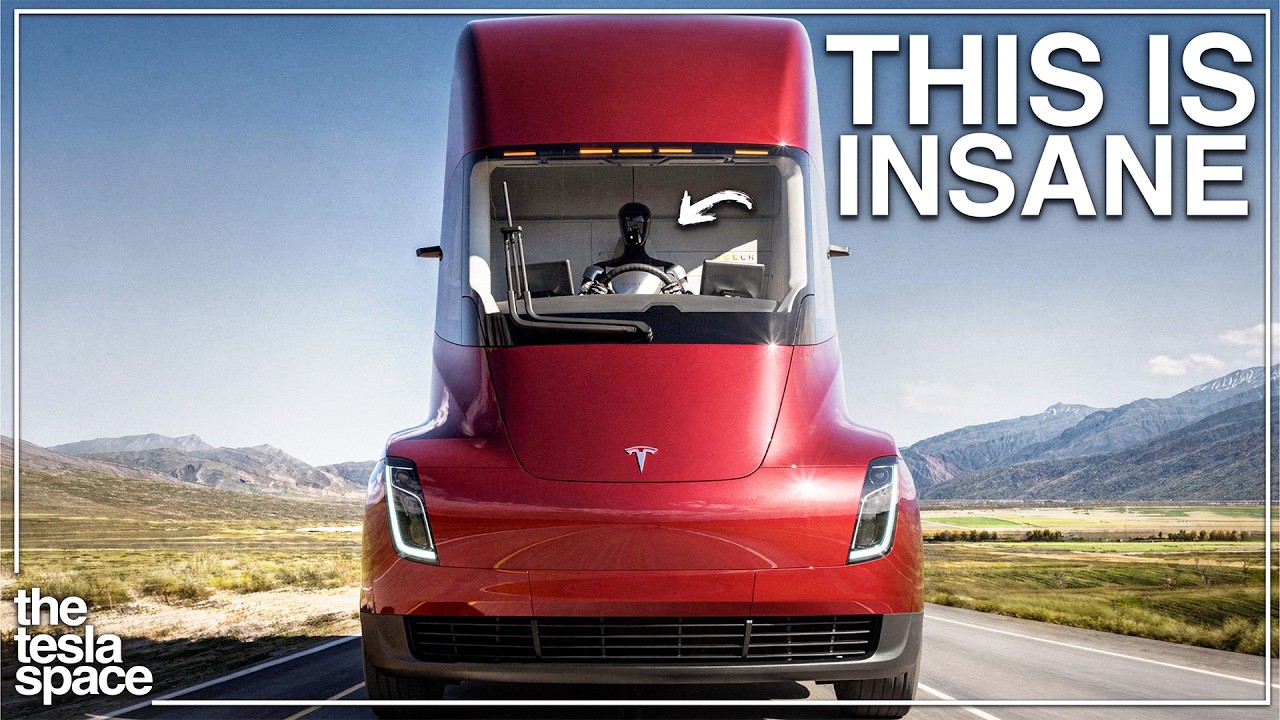
Musk also spelled out why this matters beyond the spec sheet: a persistent, serious shortage of qualified truck drivers. Autonomy on the Semi isn’t just a novelty feature — it’s aimed squarely at a real supply-chain bottleneck in the freight industry, while also improving safety and comfort for the human drivers still behind the wheel in the meantime.
That framing lines up with the Semi’s broader production story. Tesla’s Q2 shareholder letter quietly dropped earlier language promising volume production of the Semi this year, with Musk instead pointing to 4680 battery cell output as the near-term constraint on both Semi and Cybercab manufacturing. A software timeline landing in early 2027 gives the autonomy team breathing room while the hardware side works through that bottleneck.
Manage Expectations Accordingly
It’s worth being precise about what Musk actually promised. “Working” by early 2027 describes internal validation catching up to hardware that’s already riding on every production truck — not a public, unsupervised, driver-out rollout. That distinction matters. Tesla has a well-worn habit of hitting internal software milestones months or years before regulators, fleet customers, and insurers are comfortable putting a truck on the highway without a human in the seat.
Still, for a program that’s spent years without a firm date attached to it, “early 2027” is real progress. The cameras are already on the trucks. The validation fleet is already logging miles. The only thing missing is engineering bandwidth — and Tesla just told investors exactly when that bandwidth frees up.
Source: Teslarati