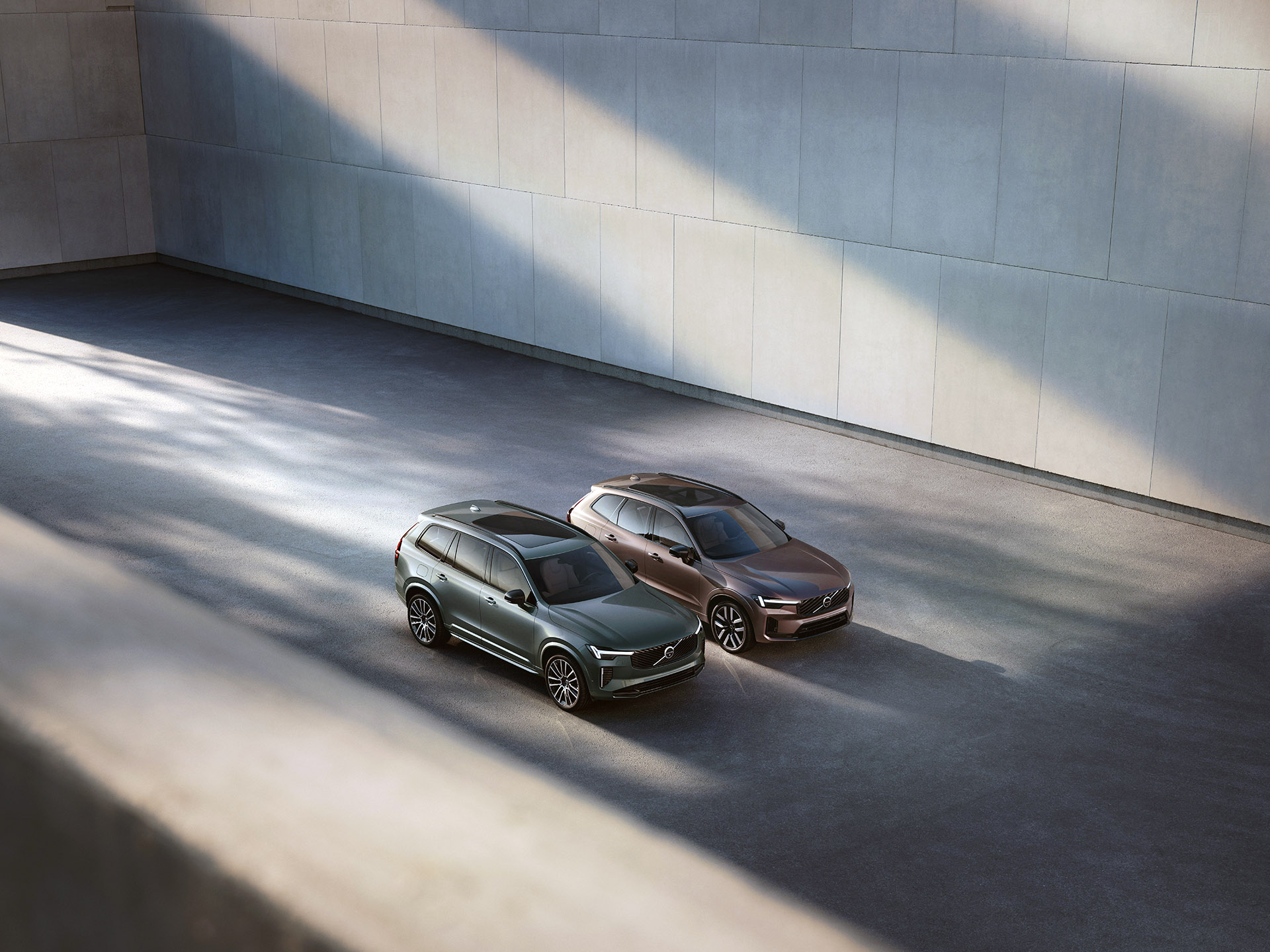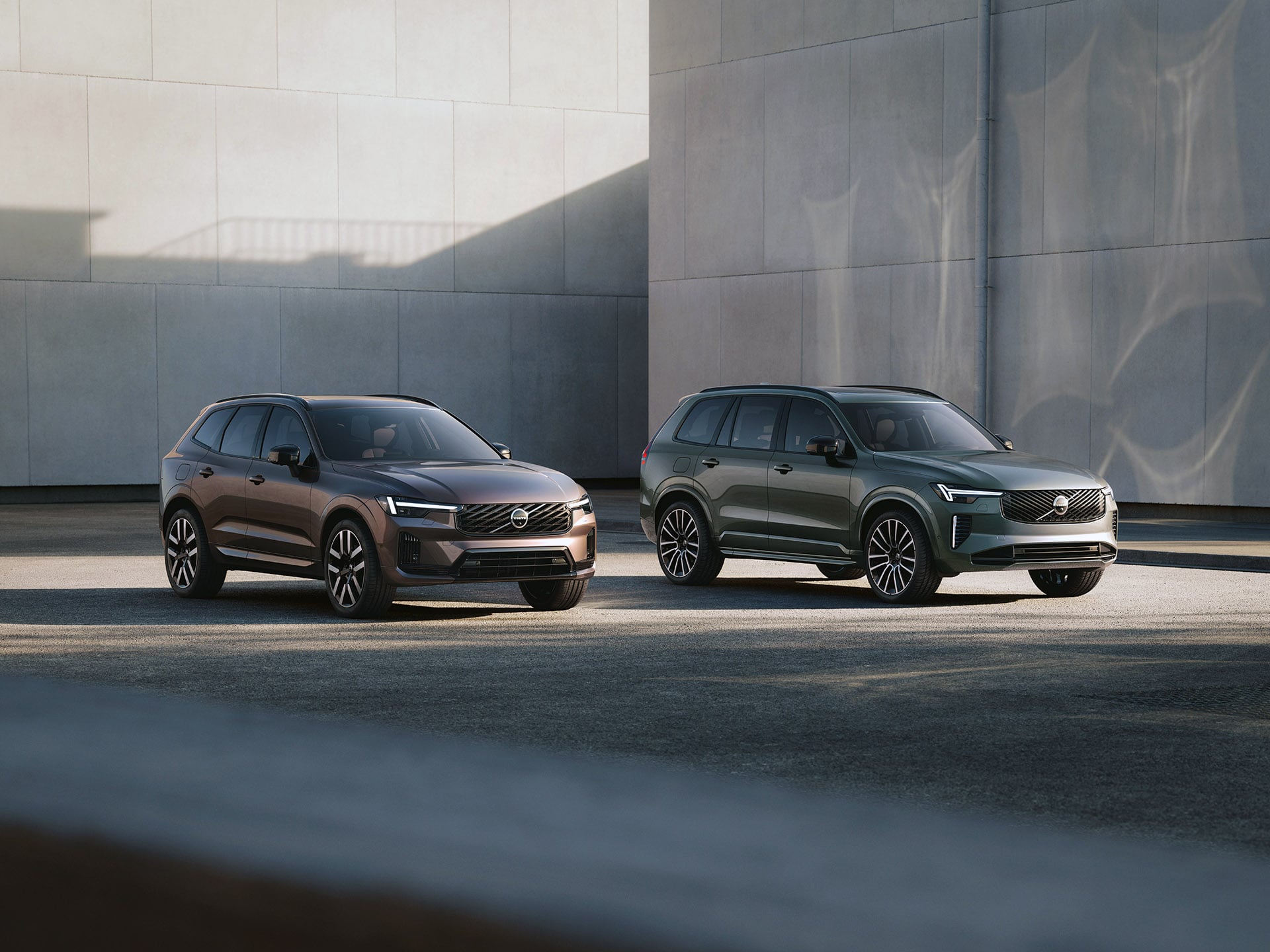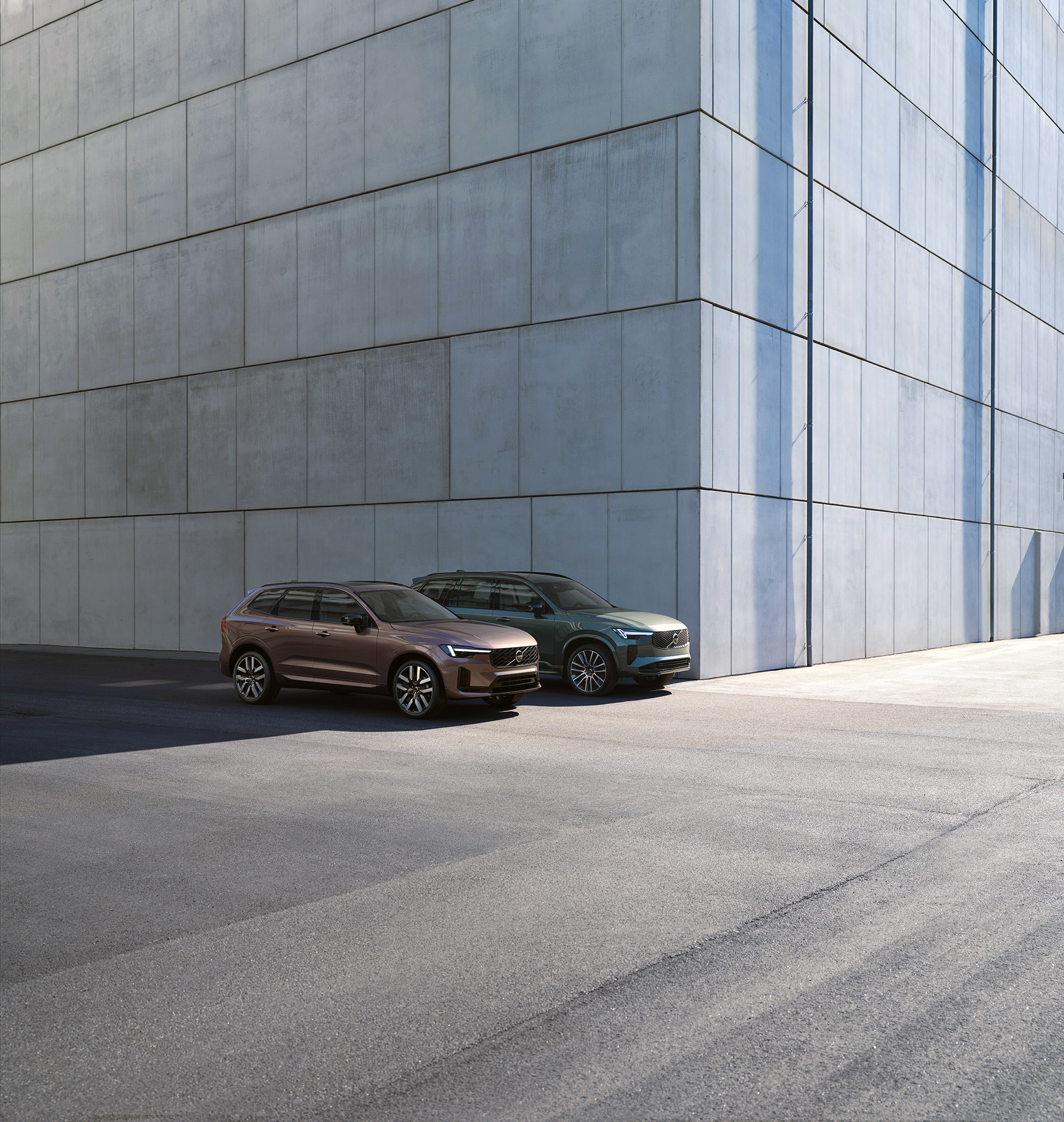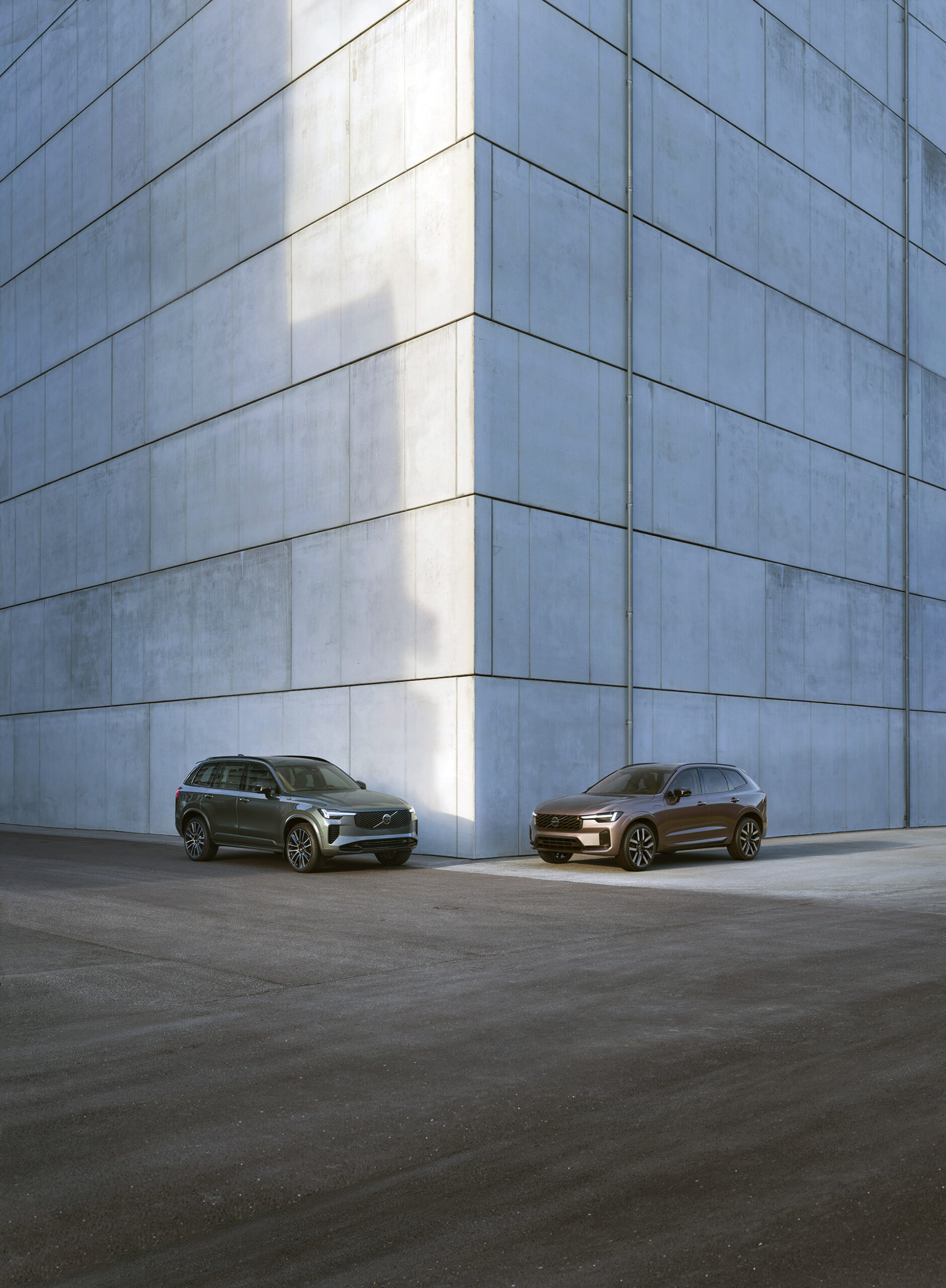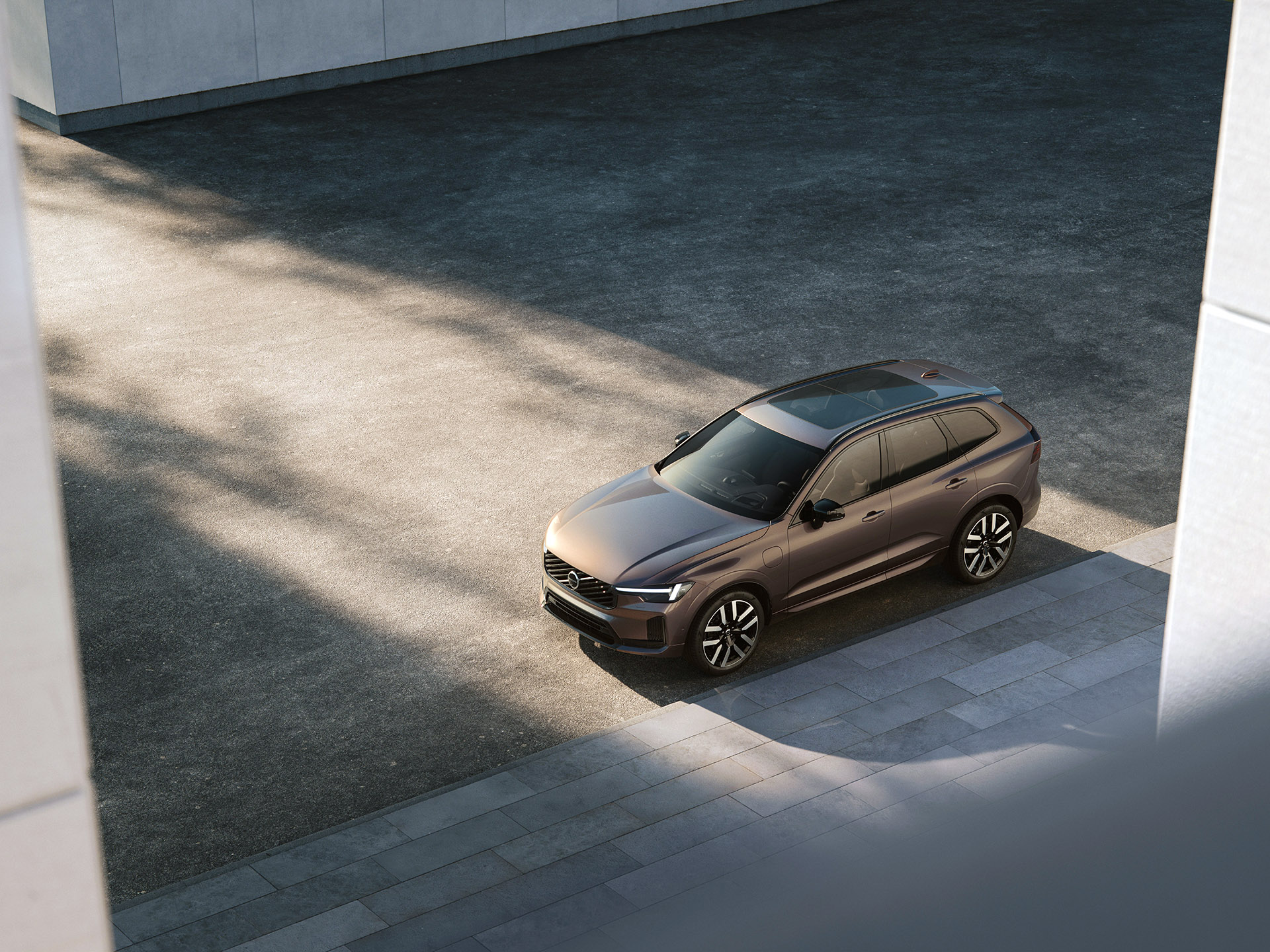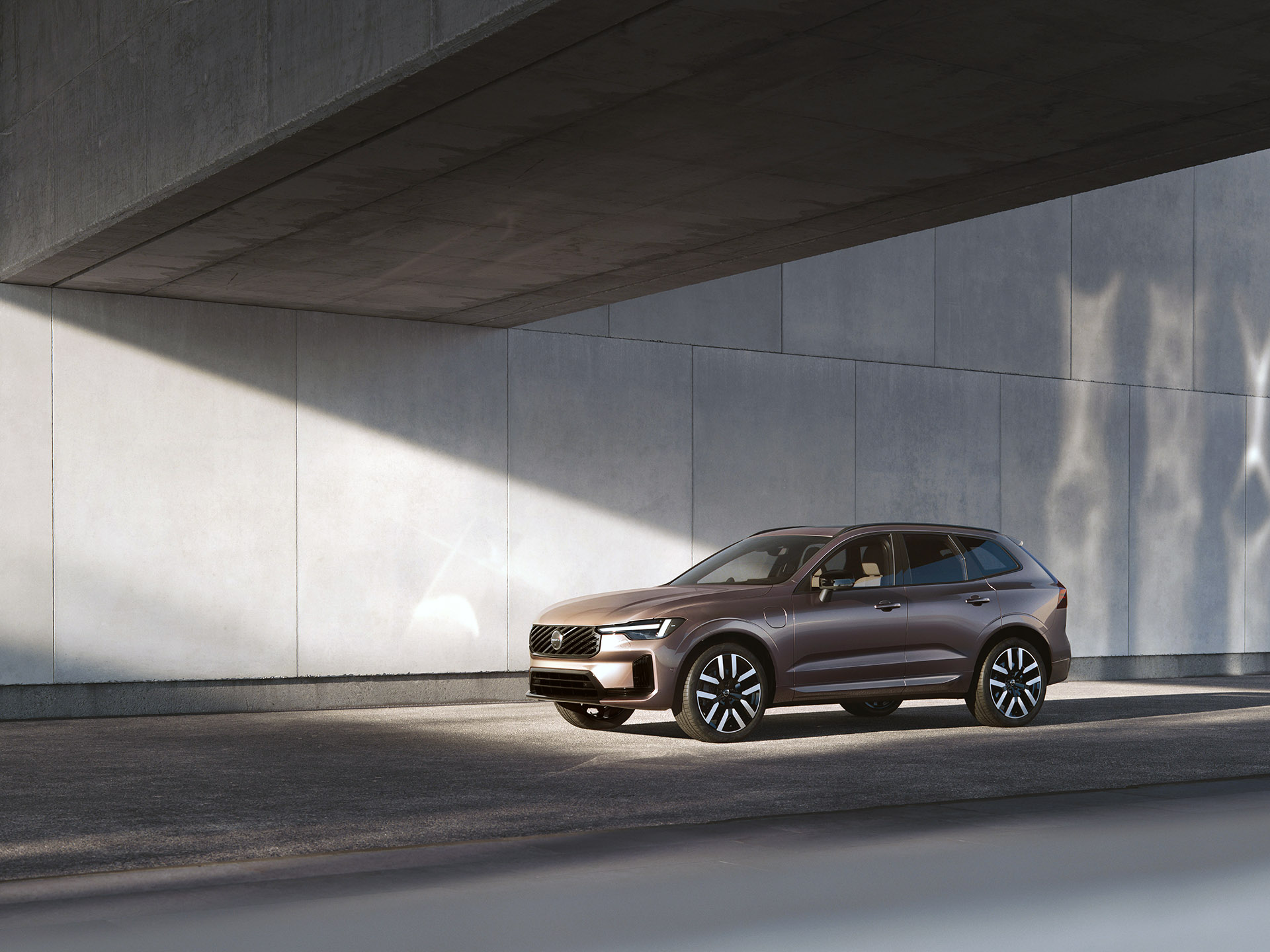

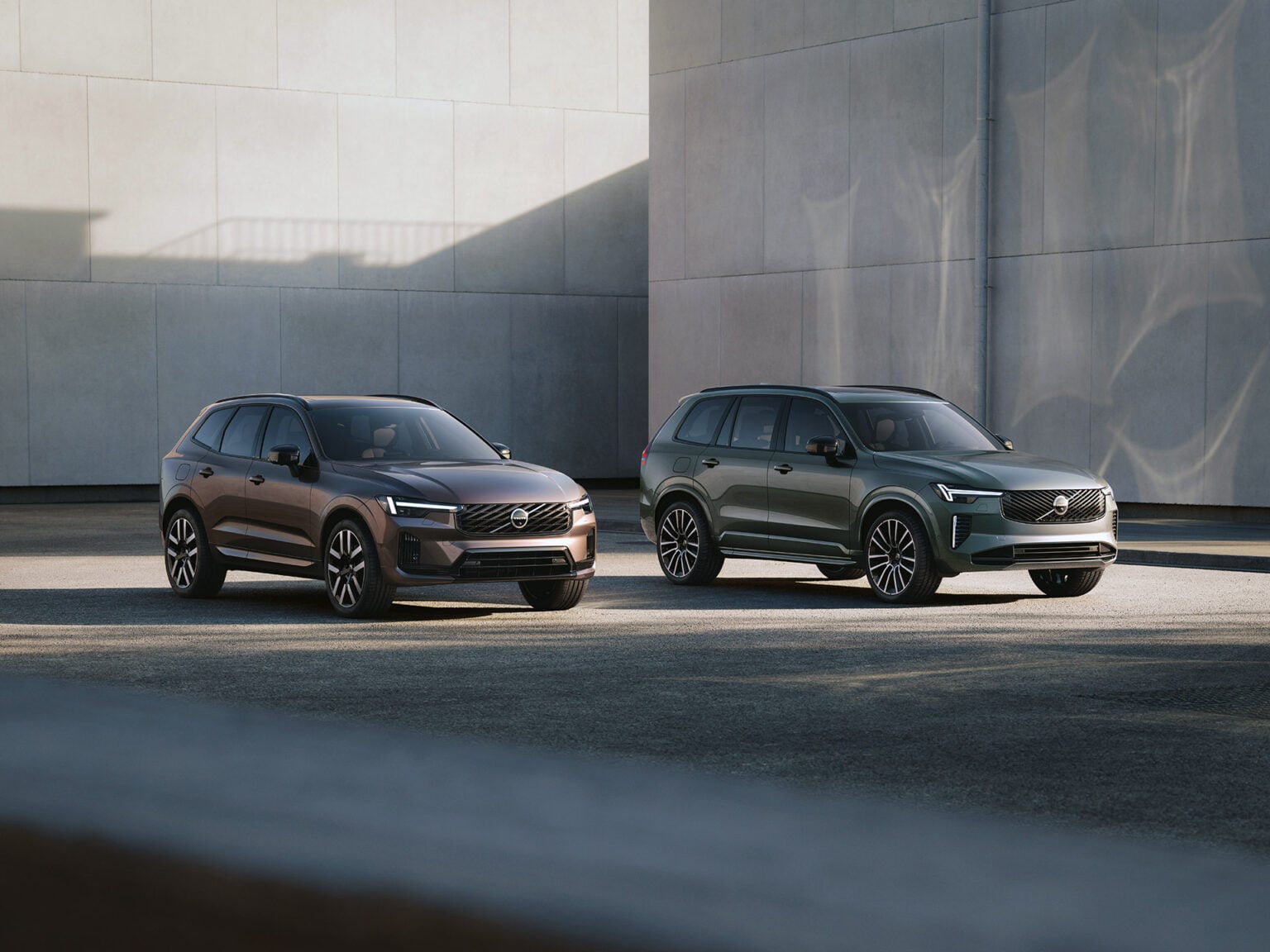
Volvo just took the plug-in hybrid from “nice to have” to “why would you buy the gas version.” The new XC60 T8 Long Range delivers up to 78 miles of electric range on a single charge, and the bigger XC90 T8 Long Range manages up to 73 miles. Volvo says those are the longest electric ranges of any plug-in hybrid sold in the American market, and looking at what else is on sale right now, it is hard to argue.
For context, the current XC60 and XC90 T8 models are rated at roughly 35 and 33 miles of EPA electric range. Volvo says the new figures are more than double, and the math checks out. That is not a mid-cycle bump. That is a different category of car.
Why 78 miles matters more than it sounds
Most plug-in hybrids on the market today land somewhere between 20 and 50 miles of electric range. That is enough for a short commute if you charge every night and never take a detour. Real-world use tends to eat into it quickly, especially in winter, and plenty of PHEV owners end up burning gas far more often than the brochure suggested.
At 78 miles, the calculus flips. The average American commute is well under 40 miles round trip, which means an XC60 Long Range owner could realistically go weeks without the gasoline engine ever firing. School runs, grocery trips, the gym, dinner across town, all of it on battery. The engine becomes the thing you use for the road trip to grandma’s, not the thing that kicks in on Tuesday afternoon because you forgot to plug in.
This is the argument EV skeptics have been making for years, in reverse. They said “most driving is short, so why carry a giant battery.” Volvo’s answer is a battery big enough to cover most driving, with an engine for the rest. It is the same logic the Chevrolet Volt used a decade ago, except Volvo is doing it in a premium mid-size SUV with a 78-mile figure the Volt never reached.
How Volvo got there
The headline change is a new, larger battery integrated into the floor rather than tucked into the transmission tunnel like the old T8 pack. That is a packaging decision with real consequences: more cells, a lower center of gravity, and no compromise to interior space. Volvo has also paired it with a more powerful electric motor, so the car should feel more like an EV in electric mode rather than a gas SUV that occasionally coasts silently.
Both cars keep a gasoline engine that steps in when the battery runs down or when you need full power, and both remain available as mild hybrids for buyers who still want the cheaper entry point. Volvo has not published full output figures in the announcement, so we will wait for the spec sheet before calling it quick, but the existing T8 already made 455 hp combined and there is no reason to expect a step backward.
The XC60 finally gets a proper refresh
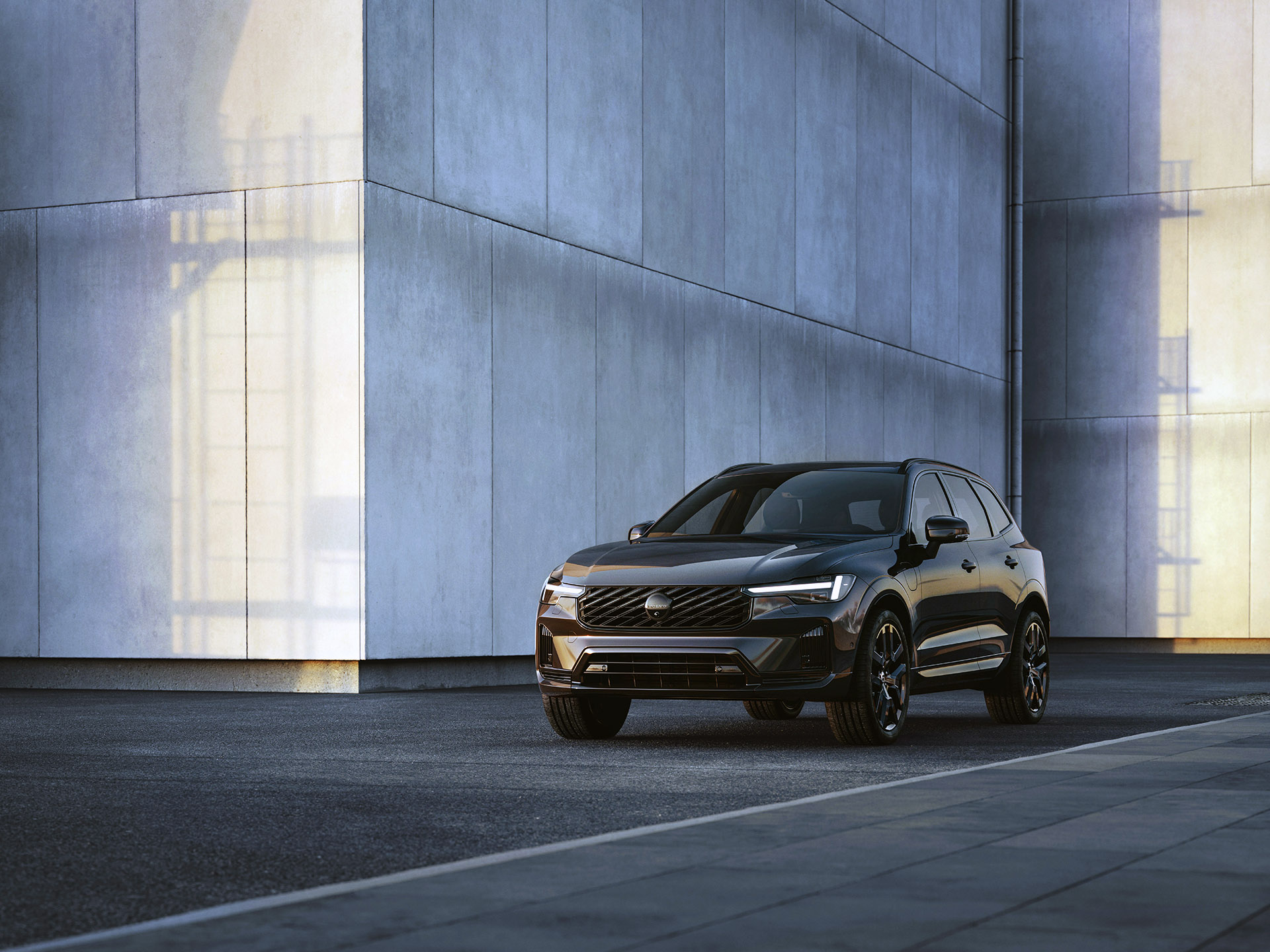
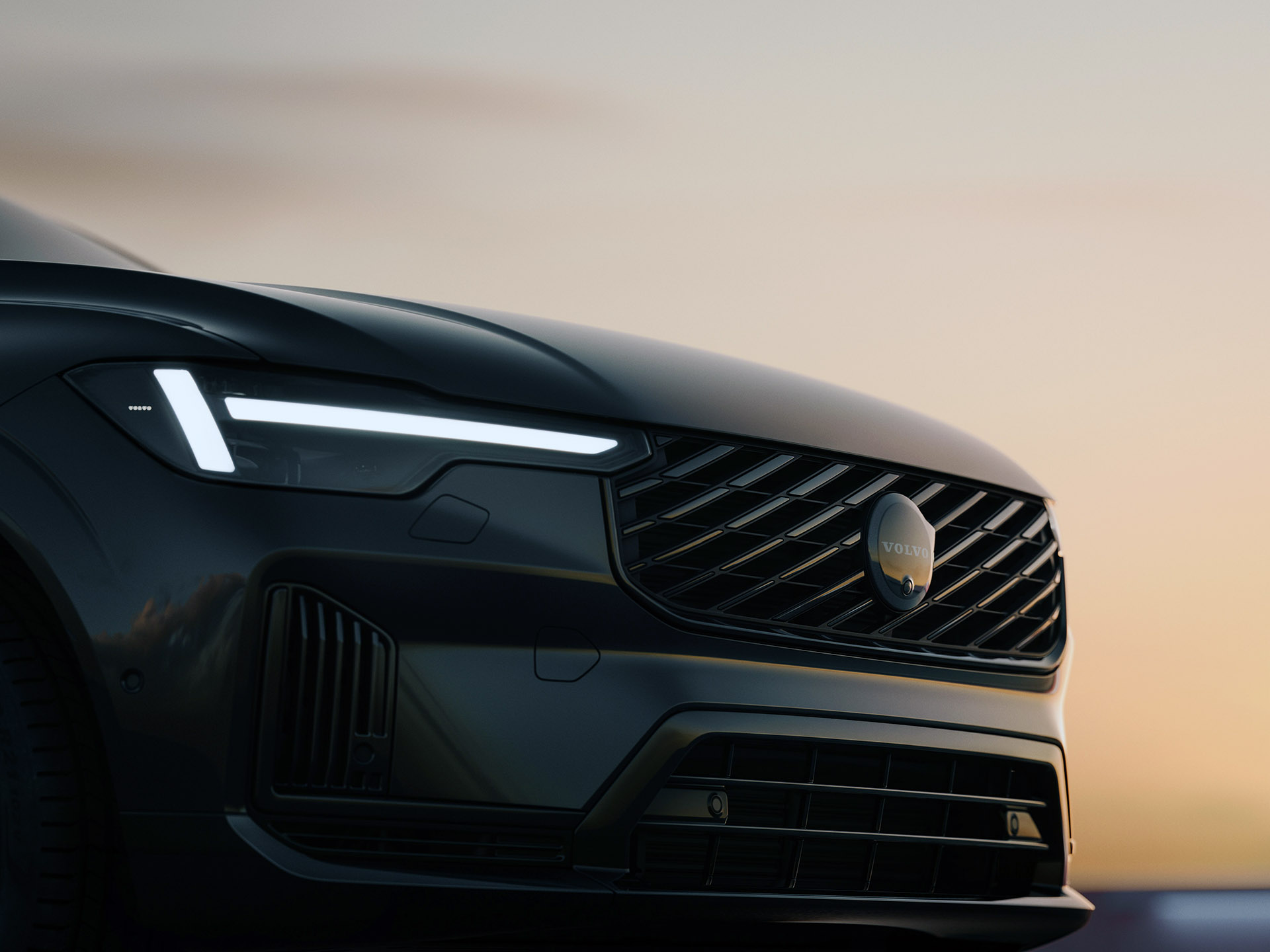
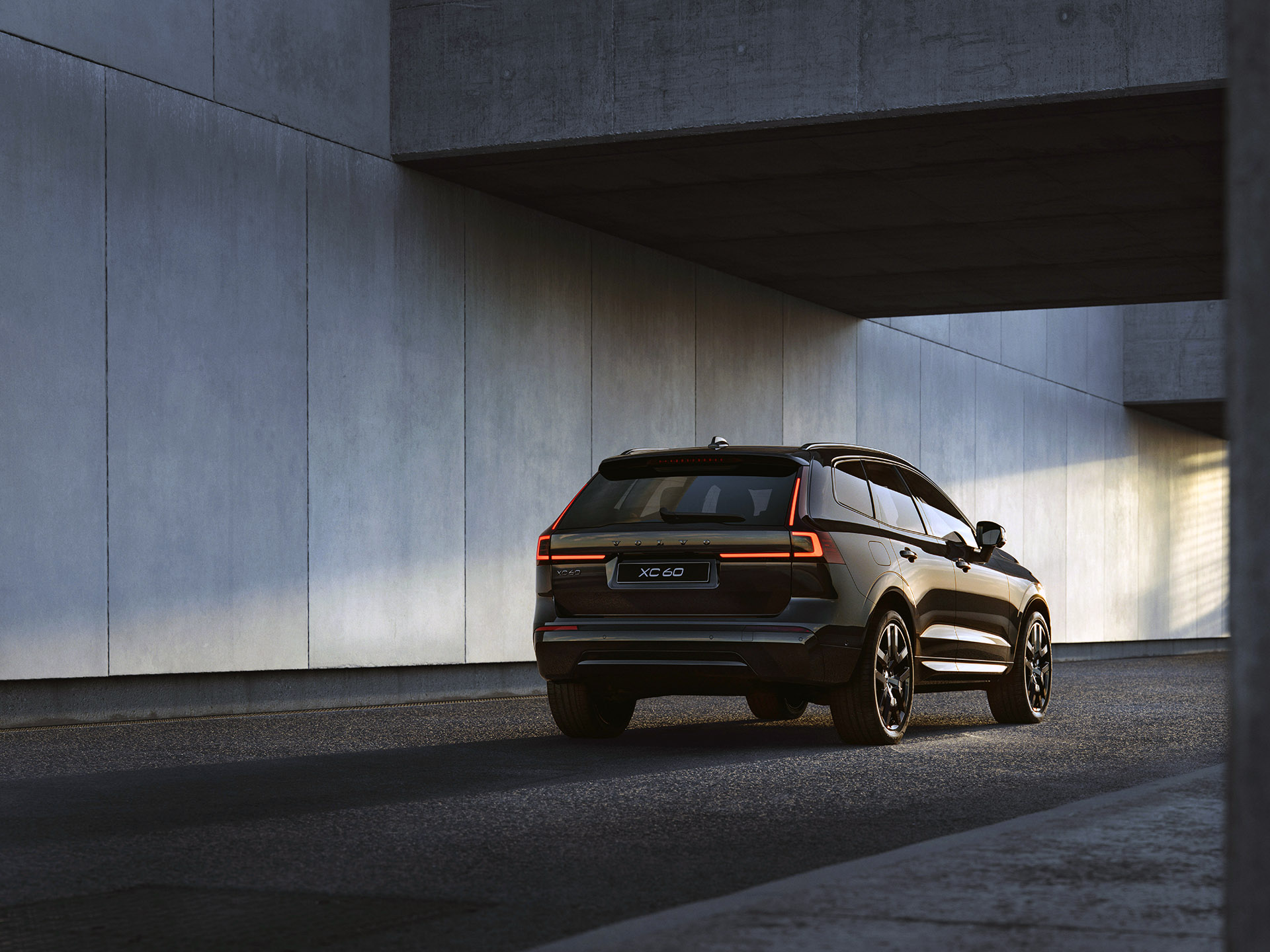
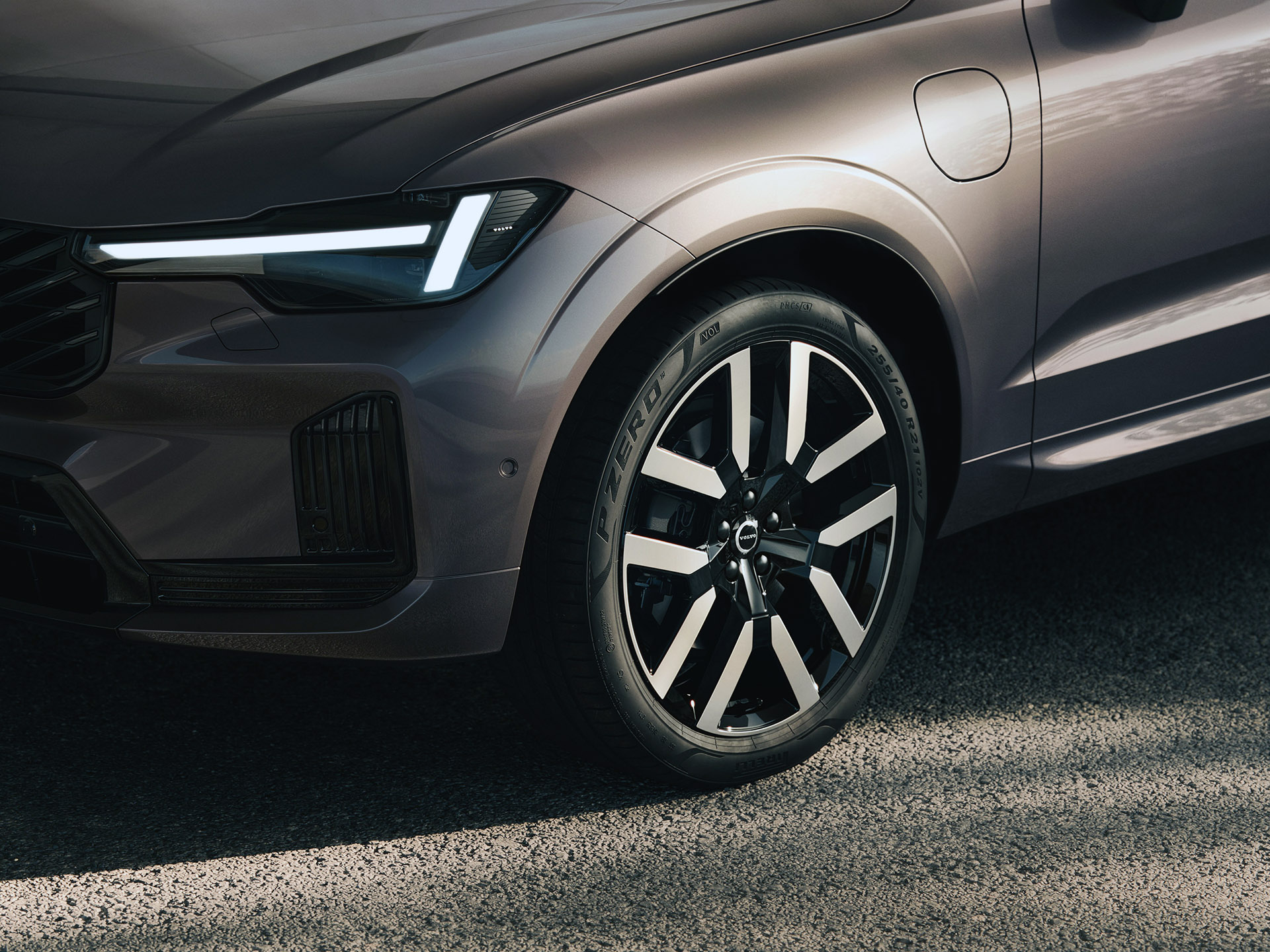
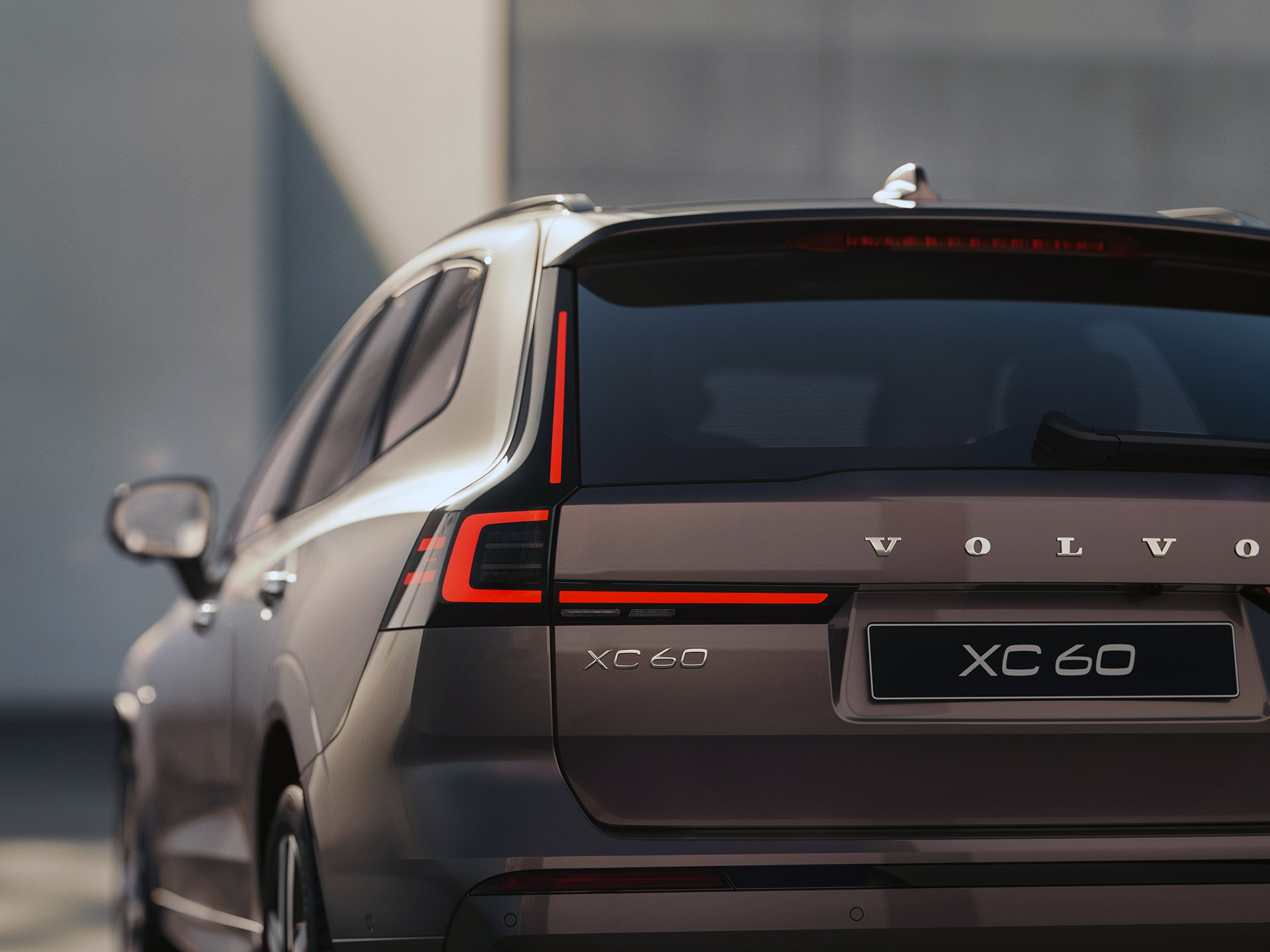
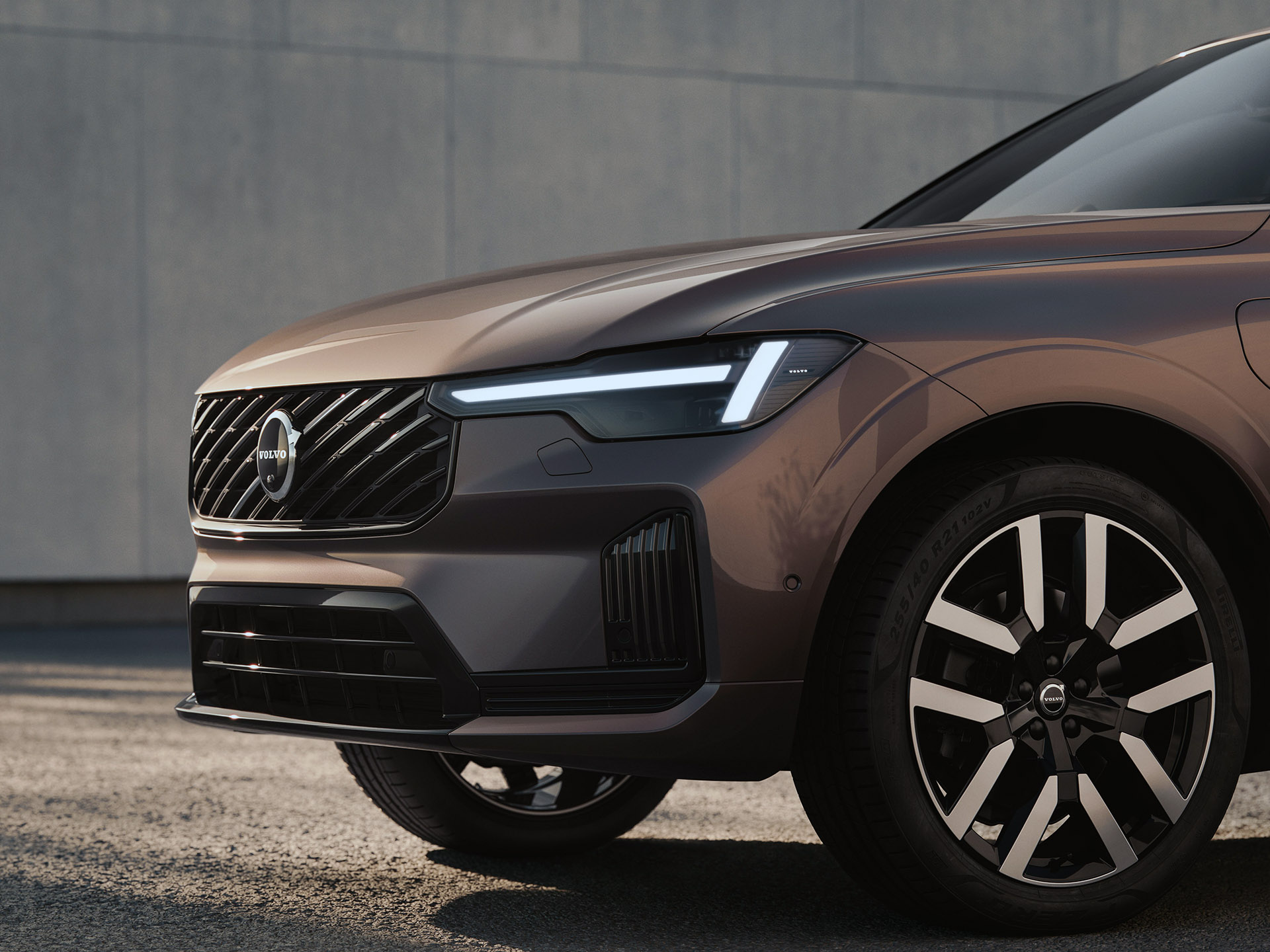
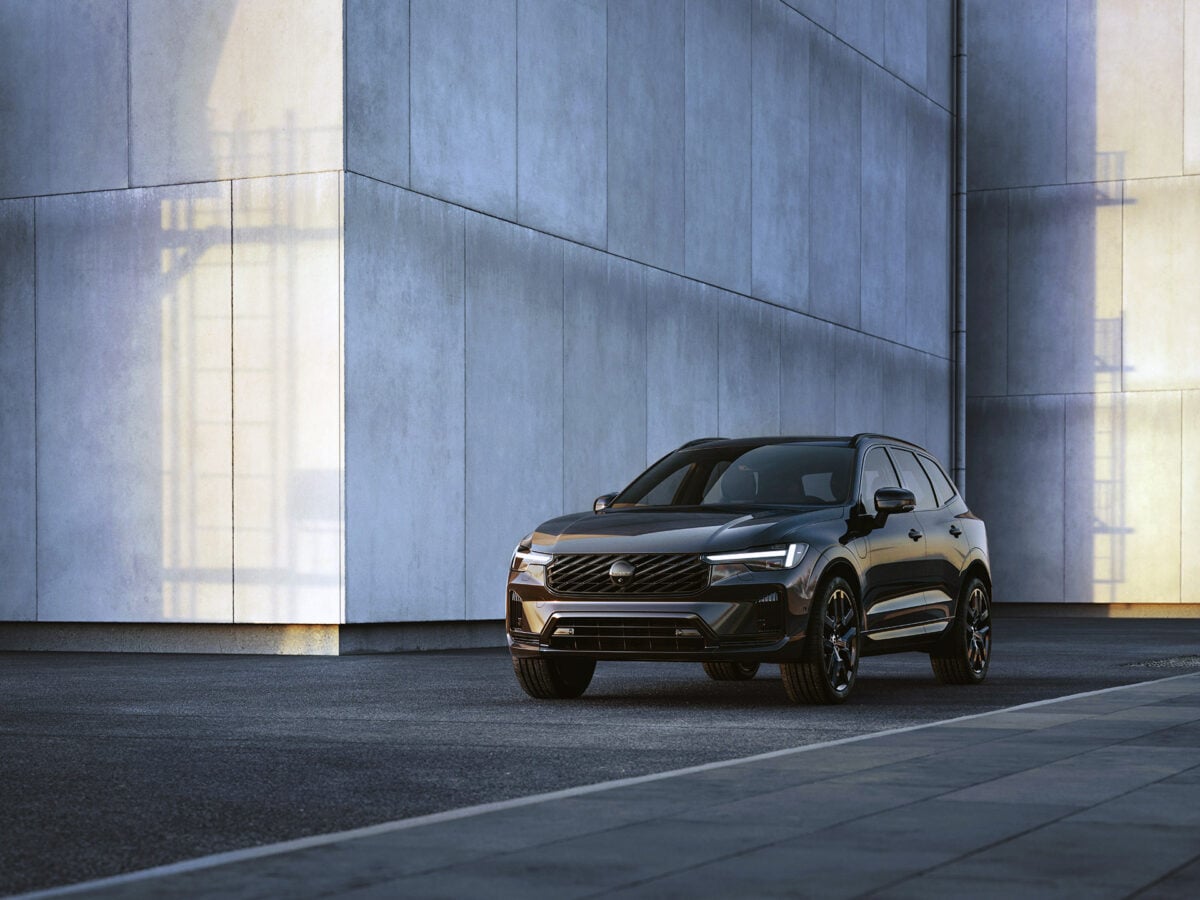
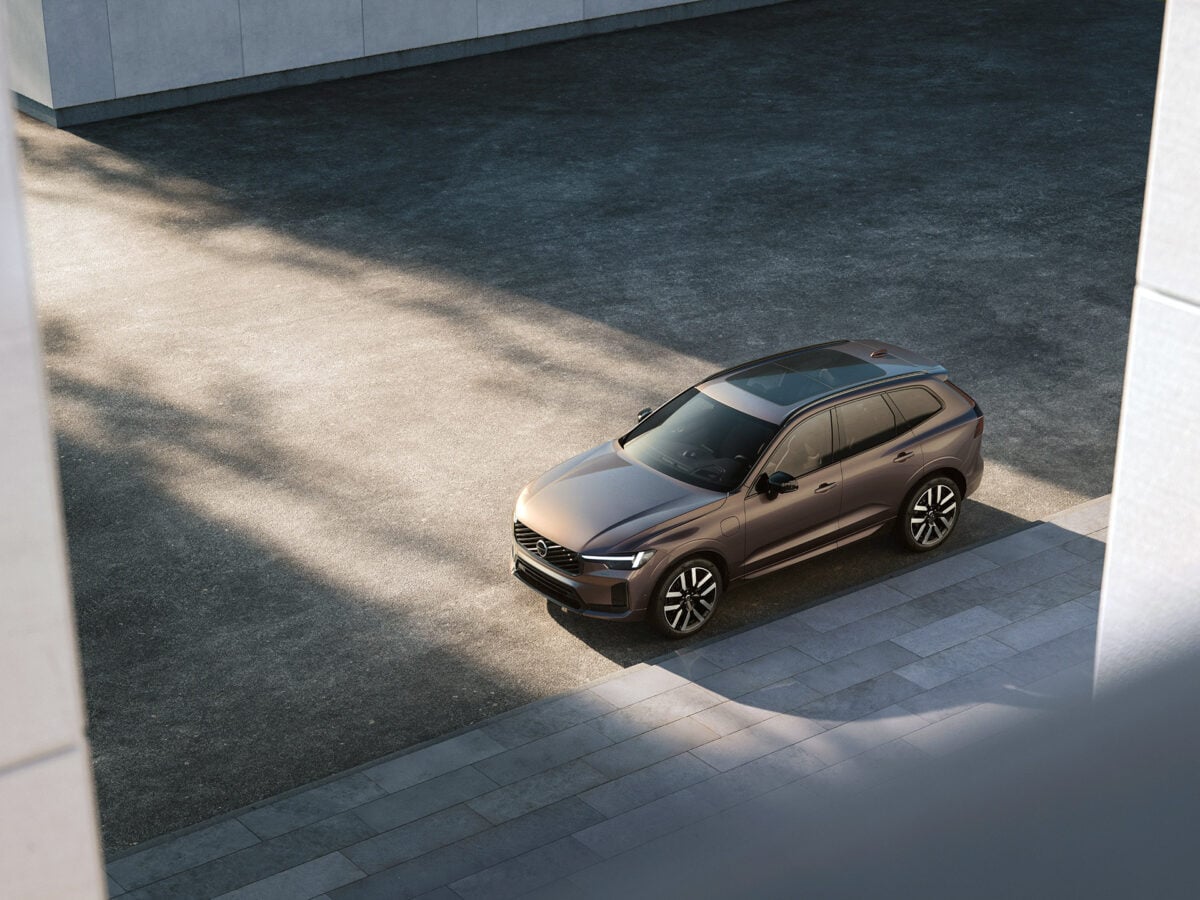
The XC60 is Volvo’s best-selling model of all time, and this generation has been around since 2017, so the exterior update was overdue. The front end gets a new grille, bumper, hood and front wings, along with redesigned Thor’s Hammer LED headlights that Volvo describes as the light signature refined to its purest expression. In plain terms, they are cleaner and more graphic, and they do a lot to modernize the face. The rear leans harder into horizontal lines, which makes the car look wider and more planted.
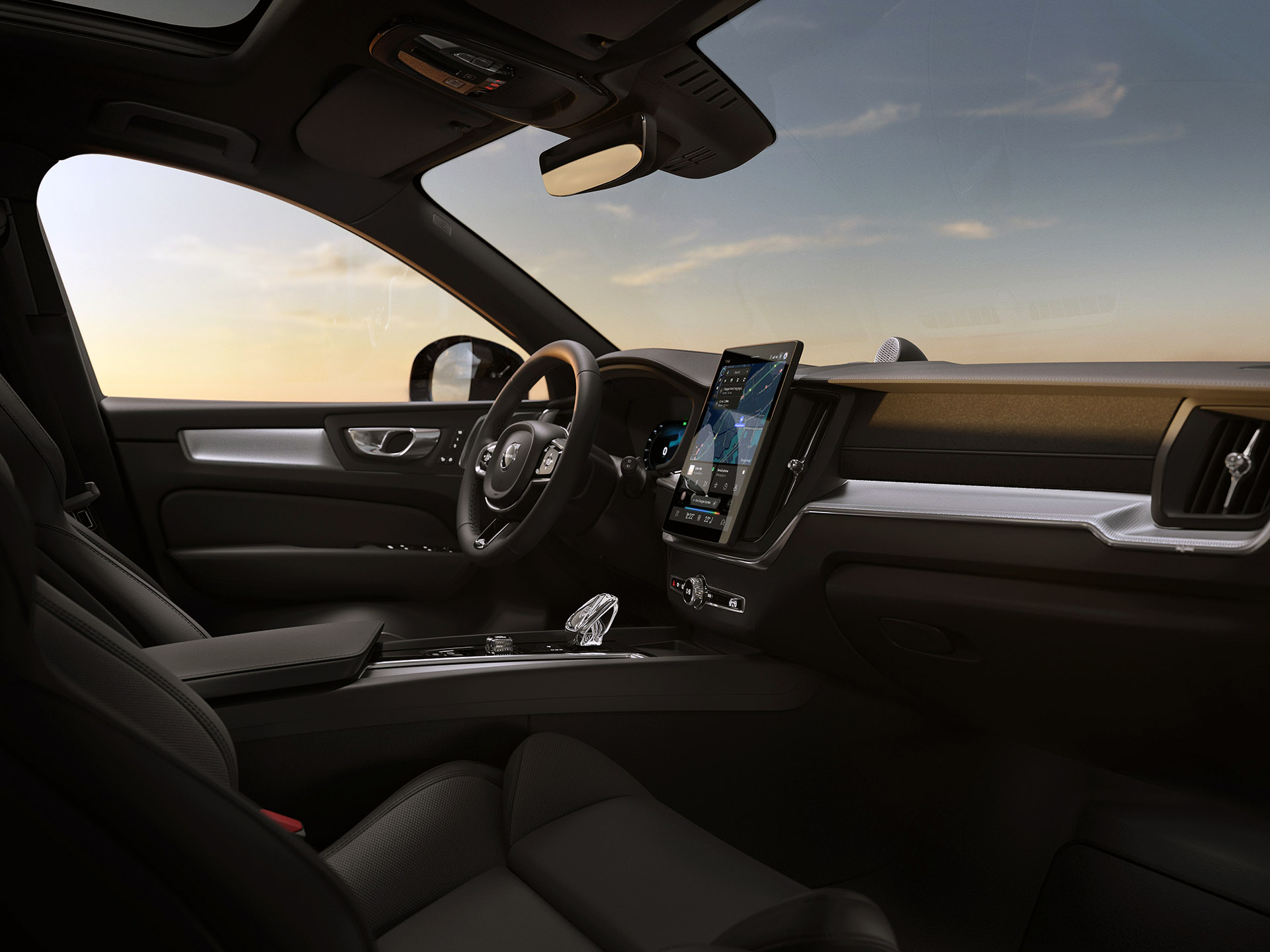
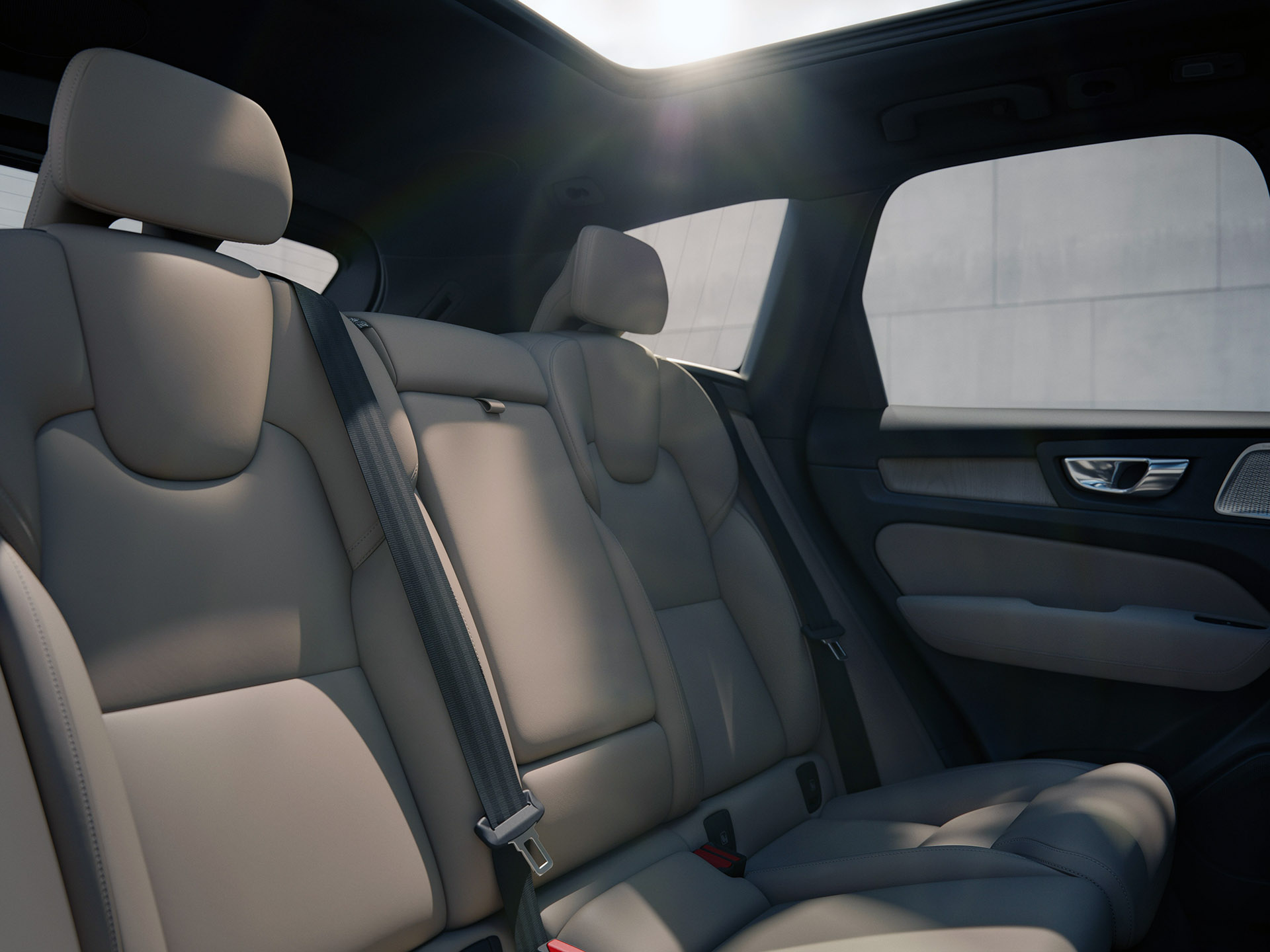
Inside, there is a new dashboard and door panel design, wood trim, and a new Cardamom ventilated Nappa leather option. The infotainment moves to an 11.2-inch screen running Volvo Car UX, and the big software news is Google Gemini as the built-in assistant. Volvo has been on Android Automotive longer than anyone, so it makes sense they are first in line for Google’s next-generation AI. If Gemini works in the car the way it works on a phone, natural-language route planning and message handling should be a real step up from the voice assistants most premium brands are still shipping.
Safety gets a meaningful upgrade too. The new XC60 picks up Volvo’s latest active safety stack, including automatic emergency steering alongside emergency braking, and an exit warning that alerts occupants to an approaching cyclist before a door opens. An upgraded sensor suite of radars and cameras enables lane change assist and a 360-degree camera with a 3D view. None of this is unique to Volvo anymore, but Volvo tends to tune these systems more conservatively and more convincingly than most, and the brand’s safety reputation is a big part of why people buy an XC60 in the first place.
The XC90 gets the powertrain, not the makeover
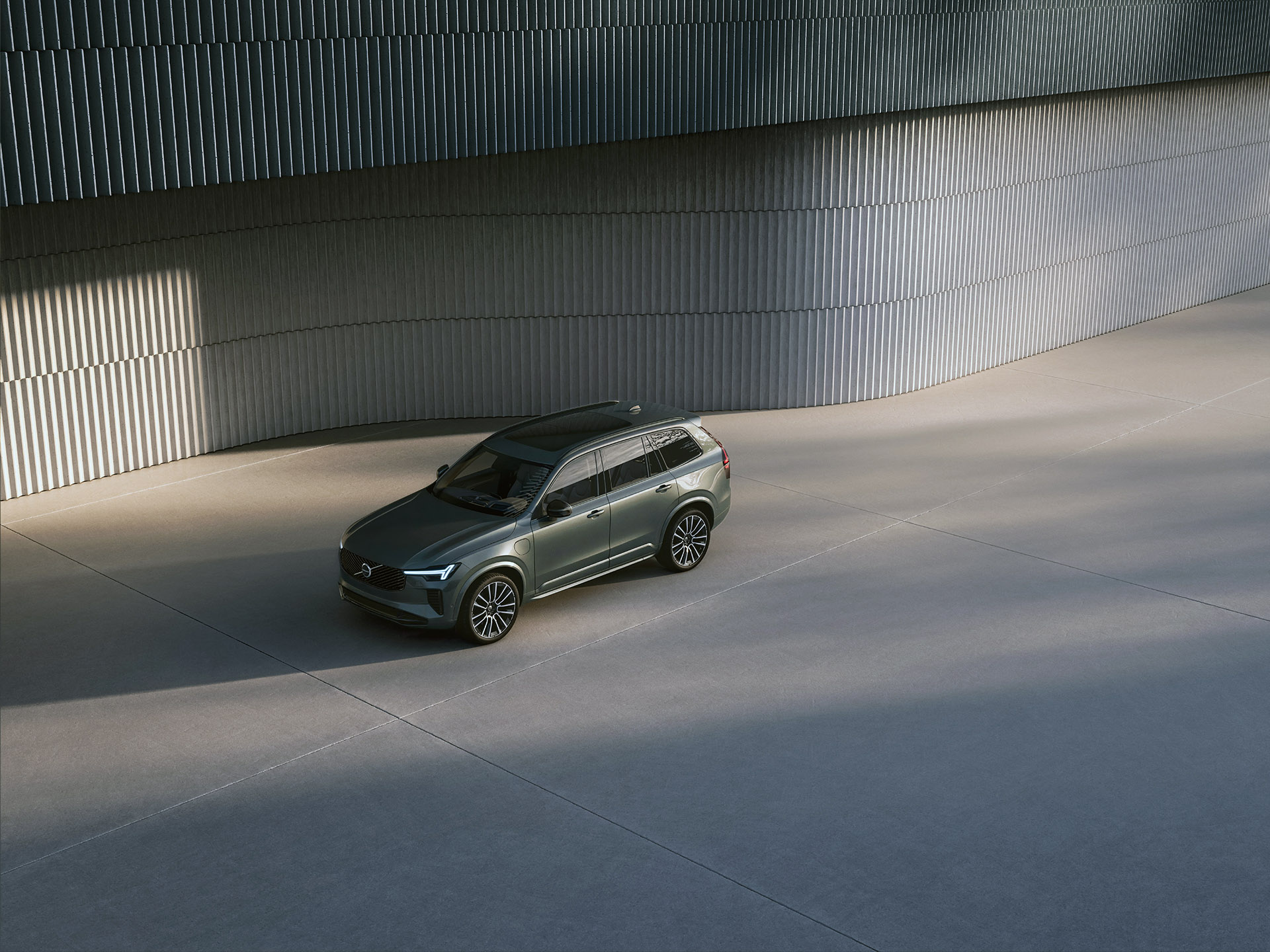
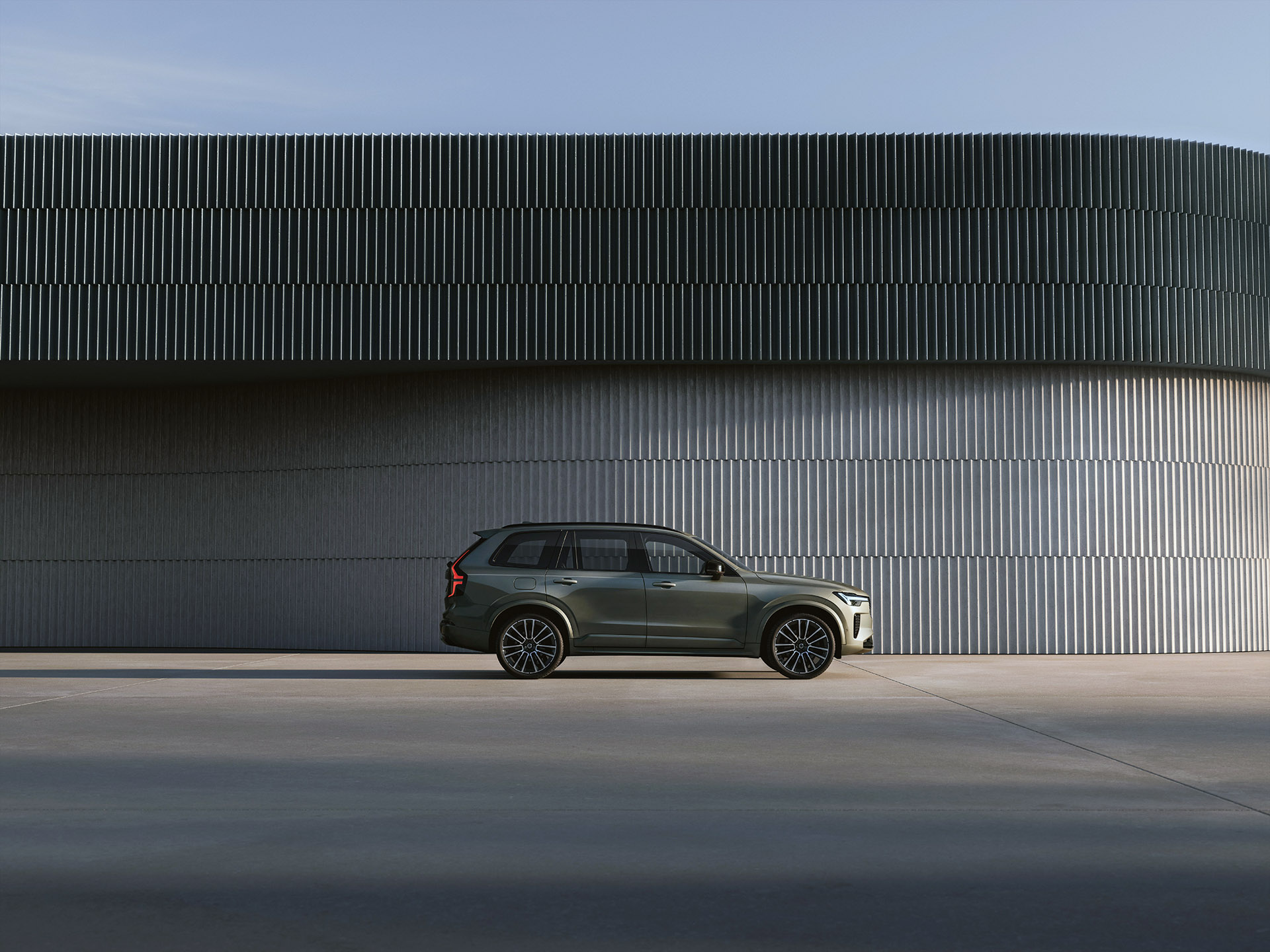
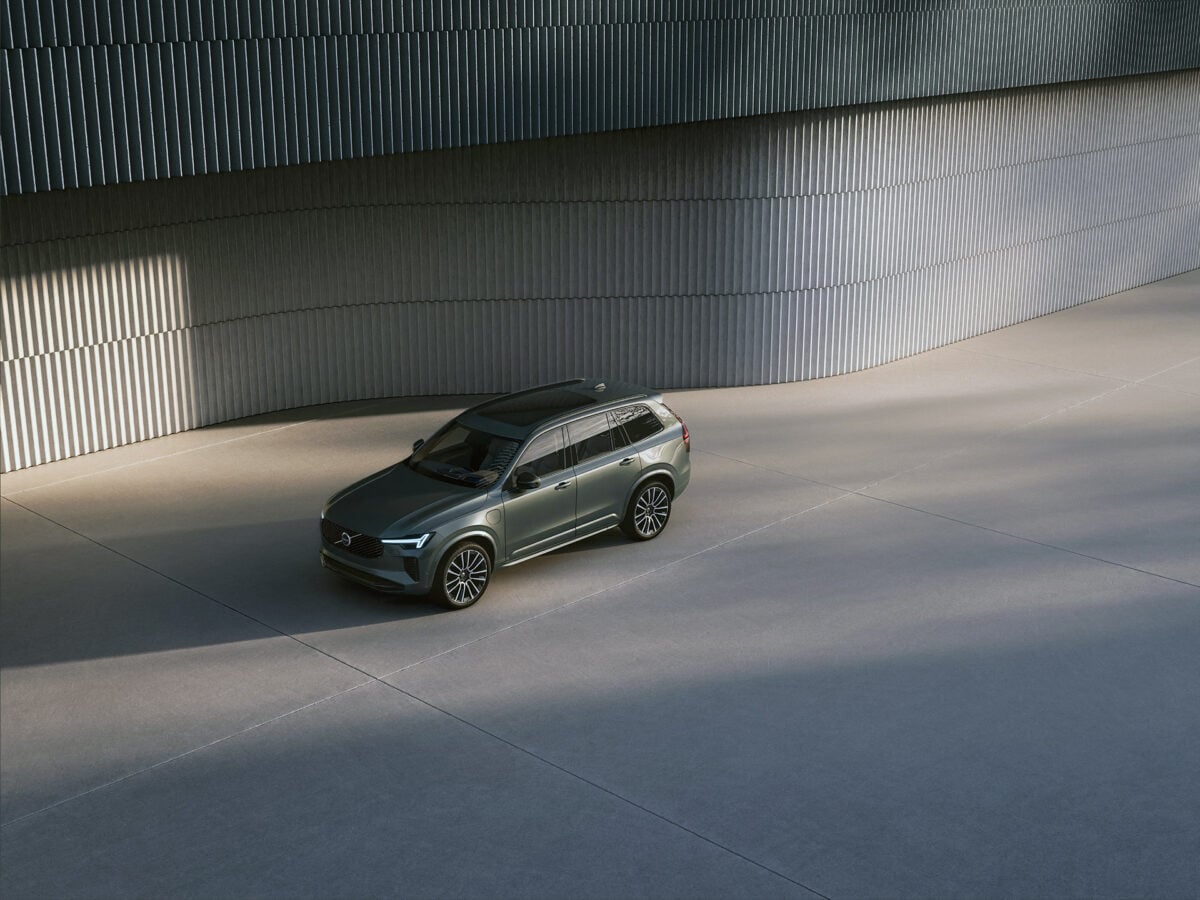
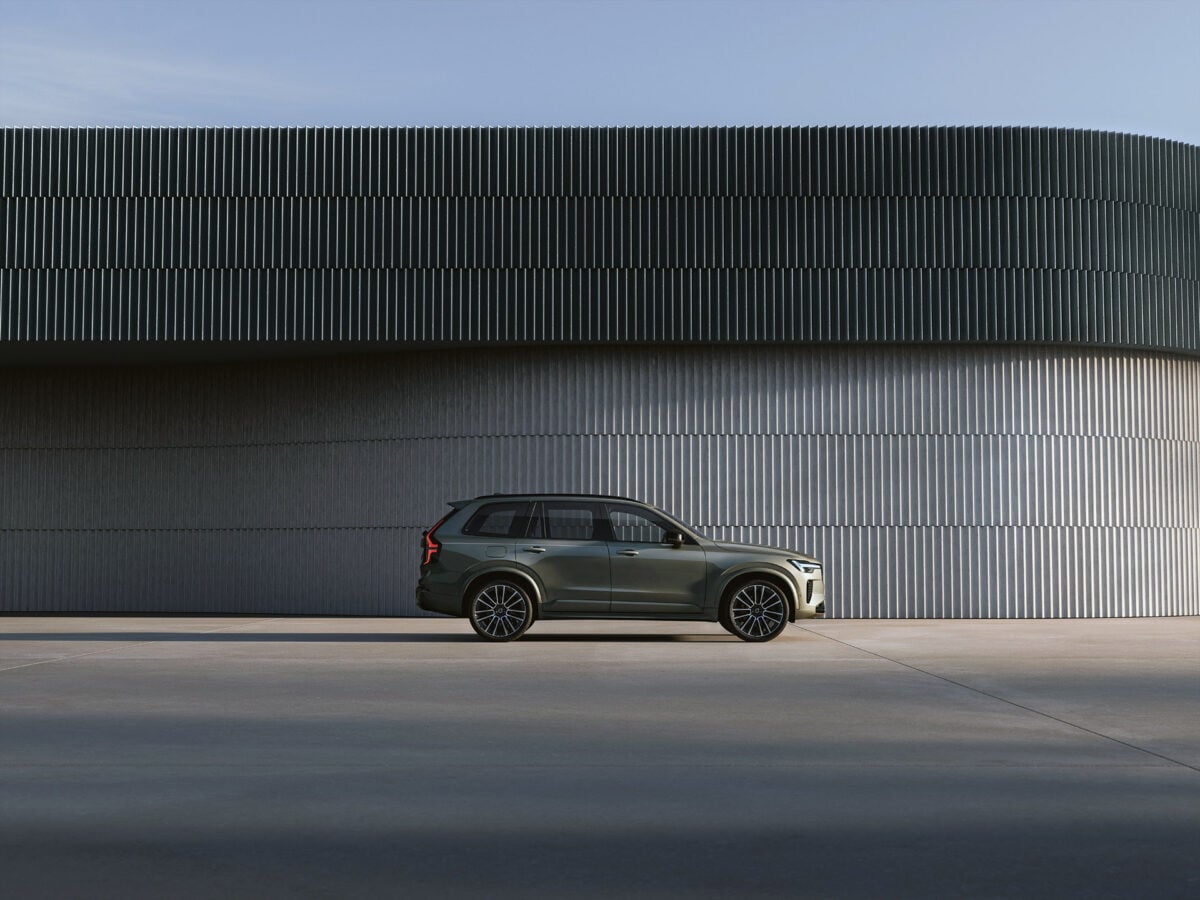
The XC90 already had its design and tech refresh recently, so this update is mostly about the battery. It picks up the same long-range T8 system with 73 miles of electric range, slightly less than the XC60 because it is a bigger, heavier seven-seater. It also gains Google Gemini, and the optional Bowers & Wilkins audio system remains one of the best in the segment.
The XC90 has been around since 2015 and is showing its age in places, but a 73-mile electric range in a three-row family SUV is something nobody else offers in the US right now. For a family that does a lot of local driving and occasional long hauls, that is a compelling combination the fully electric three-row alternatives still struggle to match on convenience.
Where this fits in Volvo’s EV plan
Volvo is being honest about what these cars are: a bridge. CEO Håkan Samuelsson framed the long-range hybrids alongside the all-electric EX60 as a path to full electrification for every customer, and the subtext is clear. Volvo walked back its 2030 all-EV pledge, EV demand in the US has been softer than the industry planned for, and a plug-in hybrid with real electric range is a much easier sell to a buyer who still has range anxiety or lives in an apartment with one charger in the garage.
These are also cheap wins for Volvo. Both cars are existing platforms with existing tooling, so the investment is modest compared to a clean-sheet EV, and the company openly says the hybrids underpin its sales and profitability ambitions for the next several years. That is a smart move, even if it is a less exciting one than another new EV.
Final thoughts about the updates to these luxury SUV flagships
The new XC60 T8 Long Range is the most interesting plug-in hybrid announced this year, full stop. A 78-mile electric range makes it a daily EV with a gas backup, not a gas car with a gimmick battery, and that is exactly what a huge slice of American buyers actually want. If you were cross-shopping an EX60 and the only thing holding you back was the occasional road trip, this is the car that solves that problem without asking you to give anything up.
Production starts this fall with US deliveries expected in early 2027, and Volvo has not announced pricing yet. Expect a premium over the current T8, and expect it to be worth it. The bigger question is whether rivals like BMW and Mercedes, whose plug-in SUVs top out around 40 to 50 miles, are going to let Volvo own this number for long.