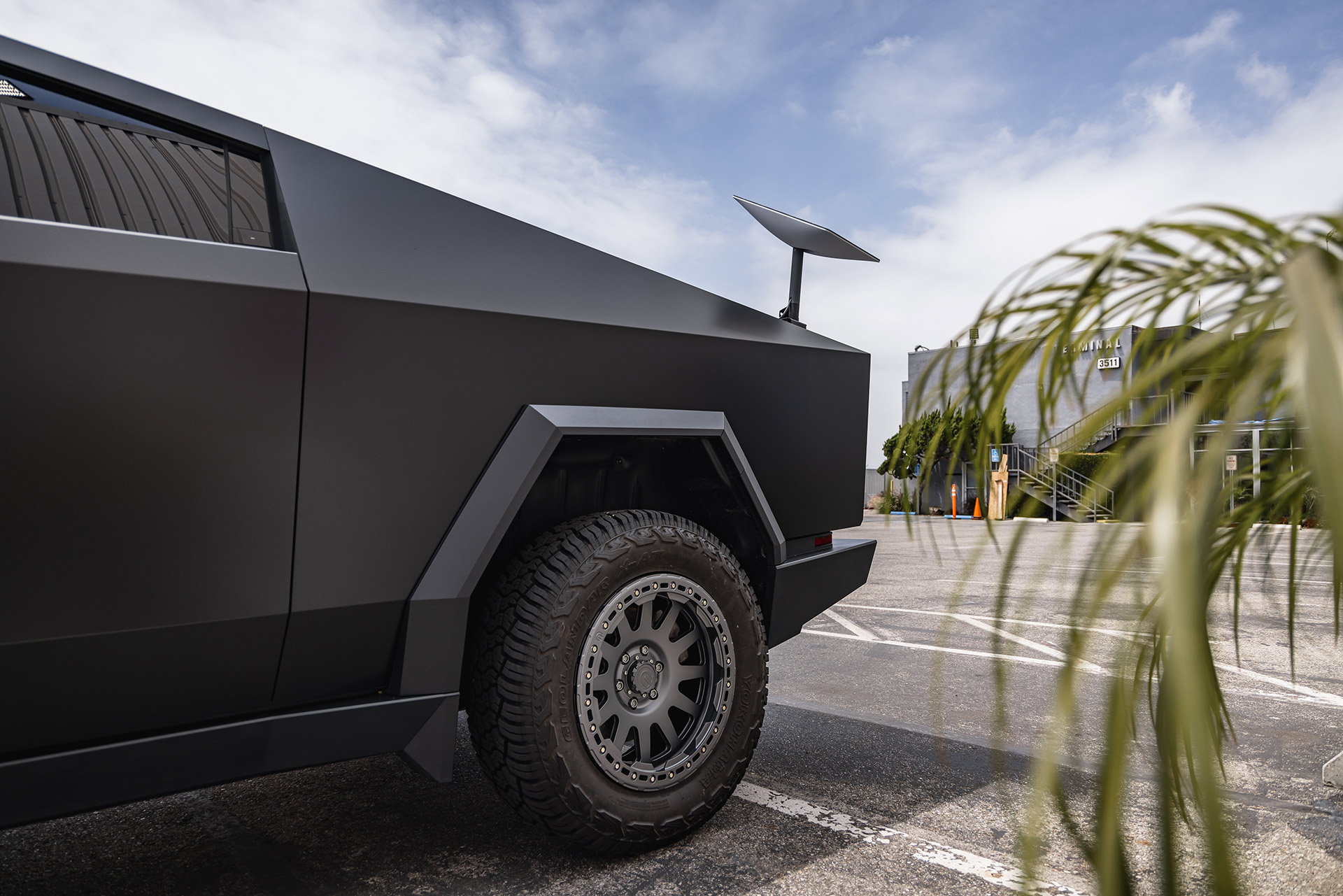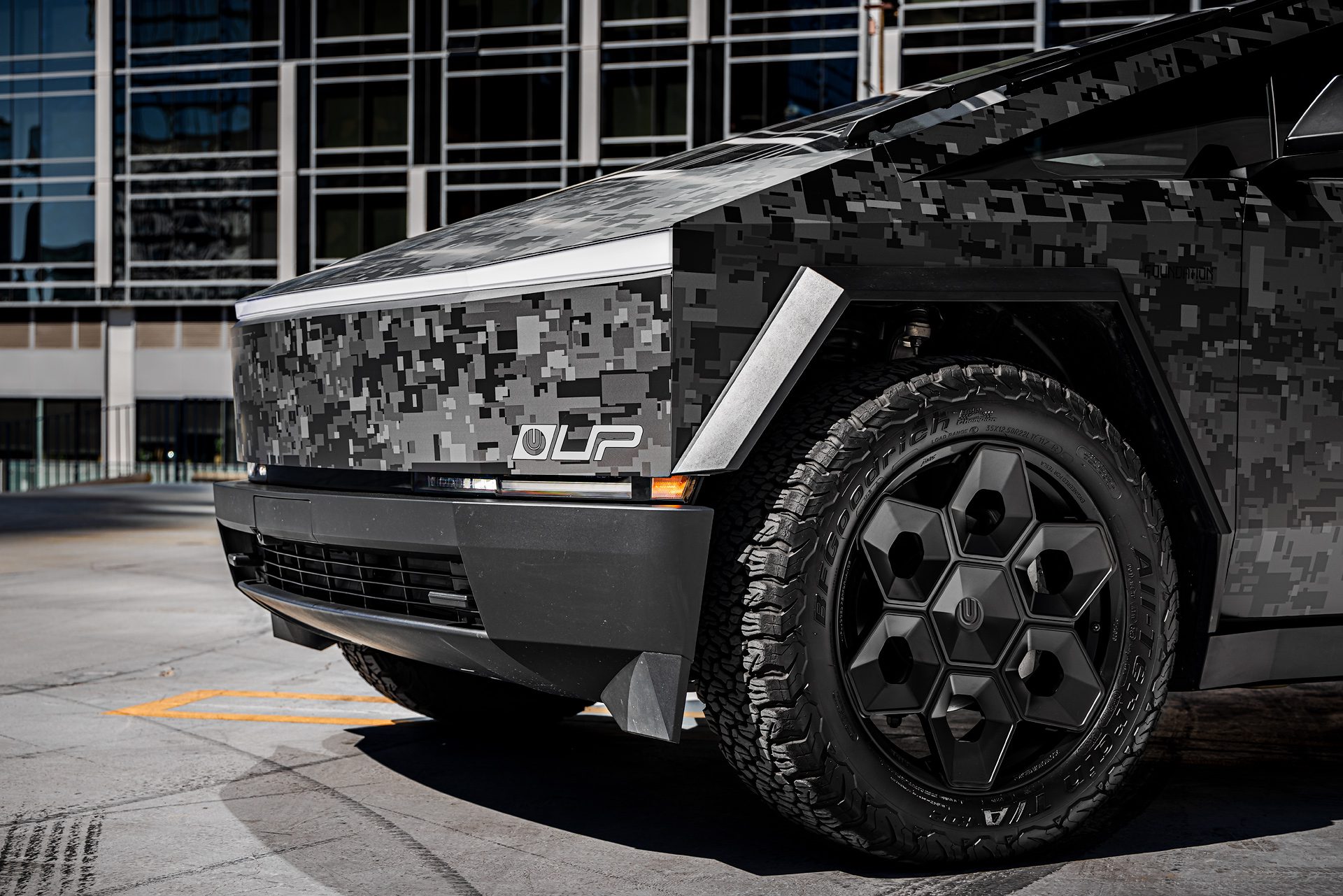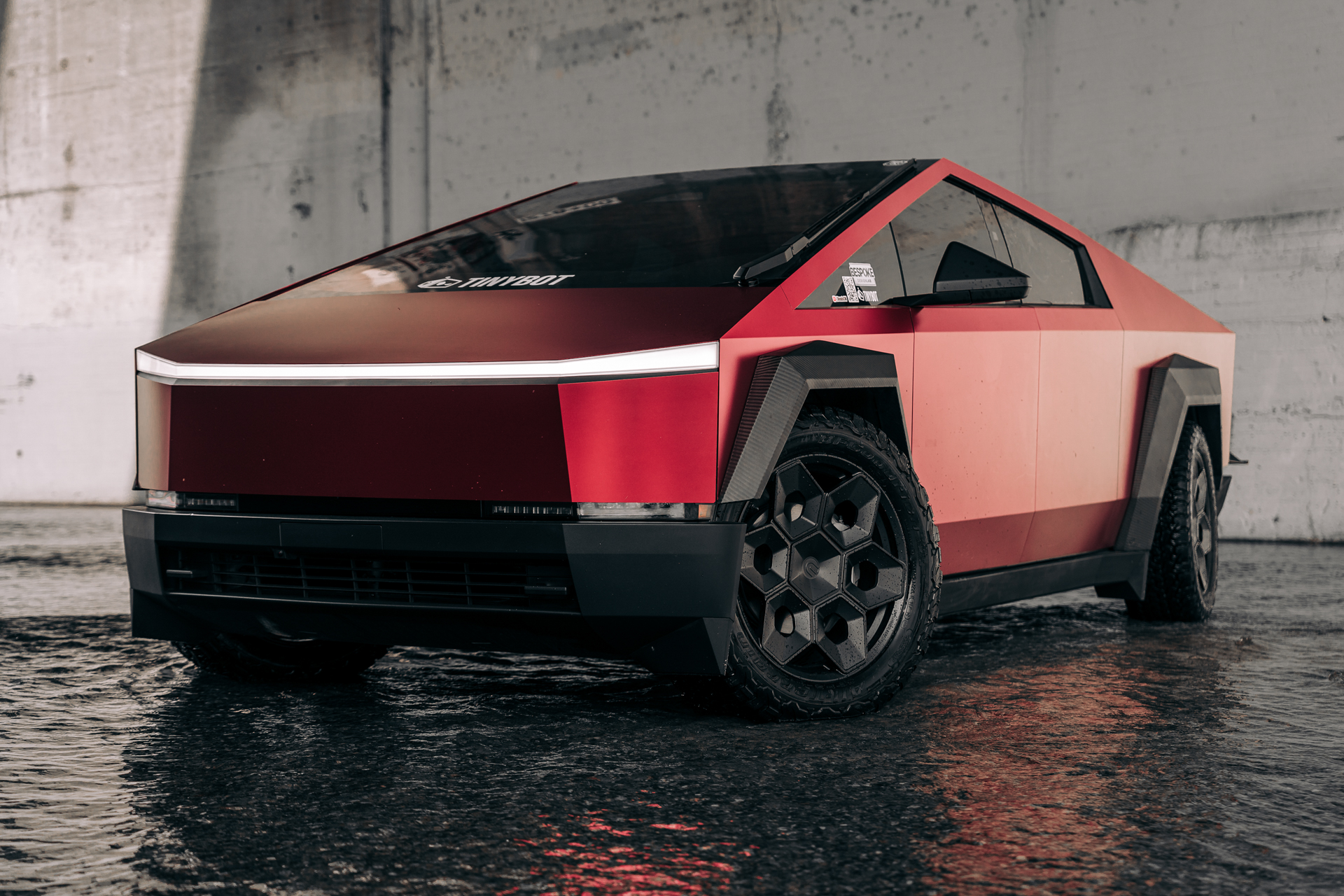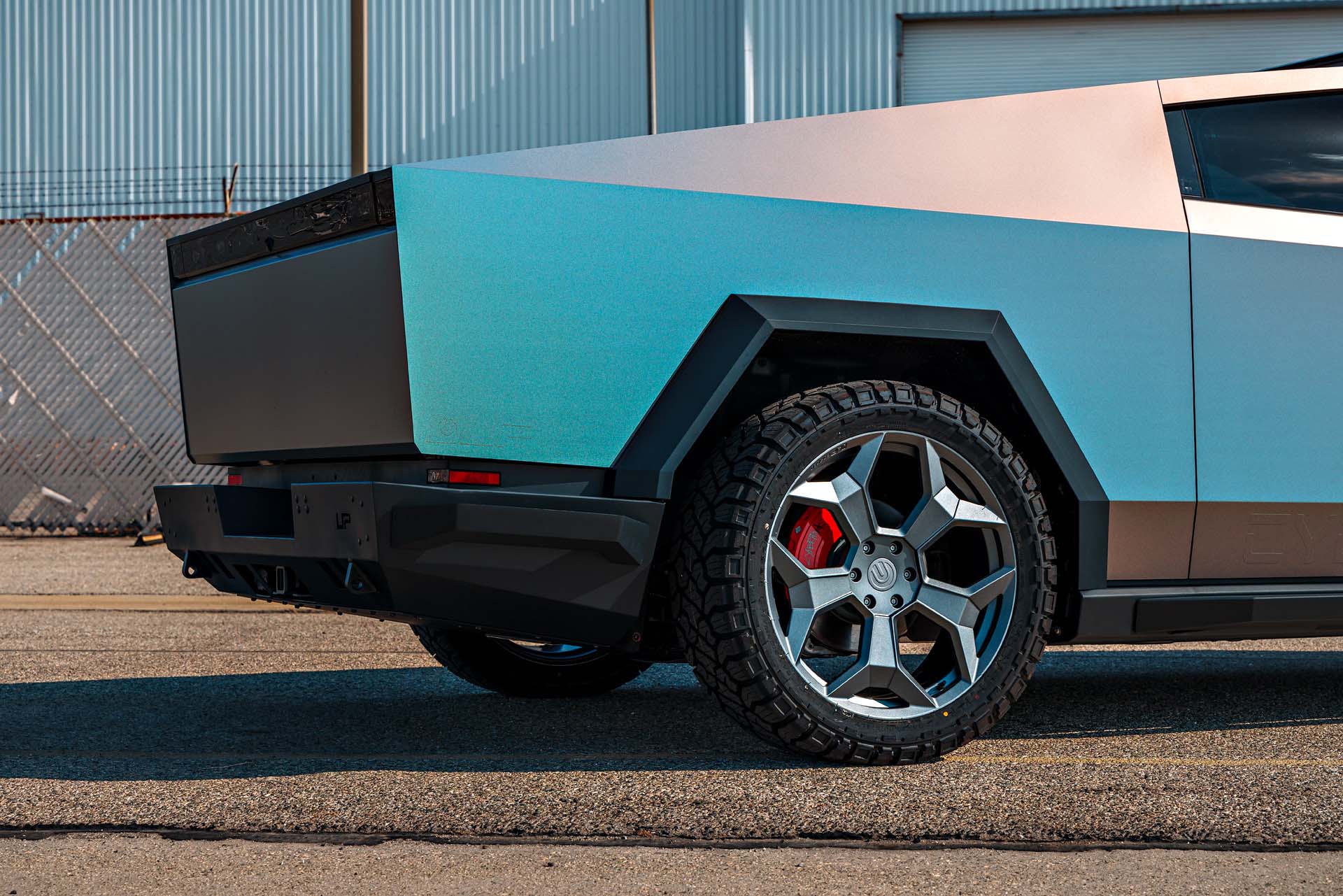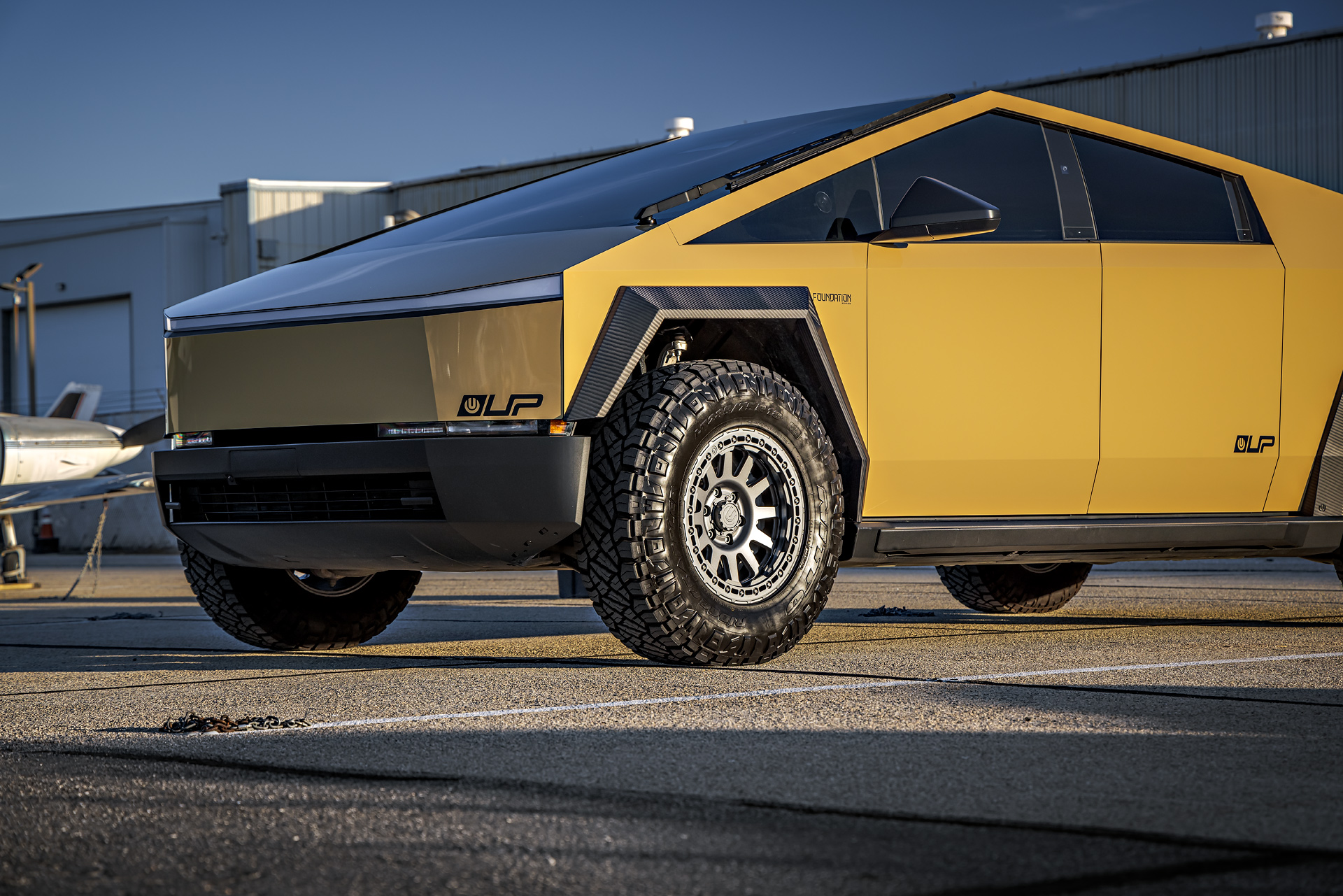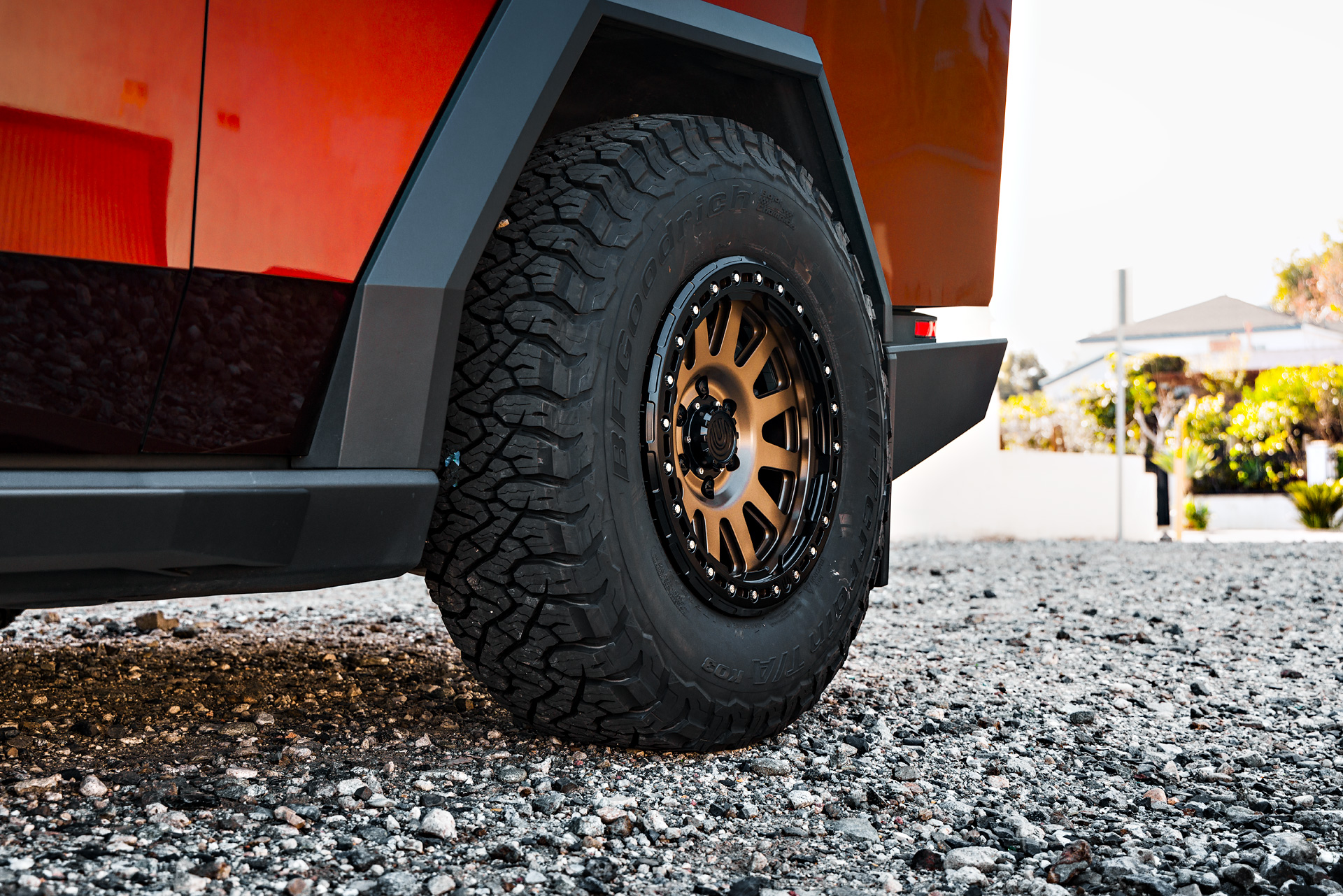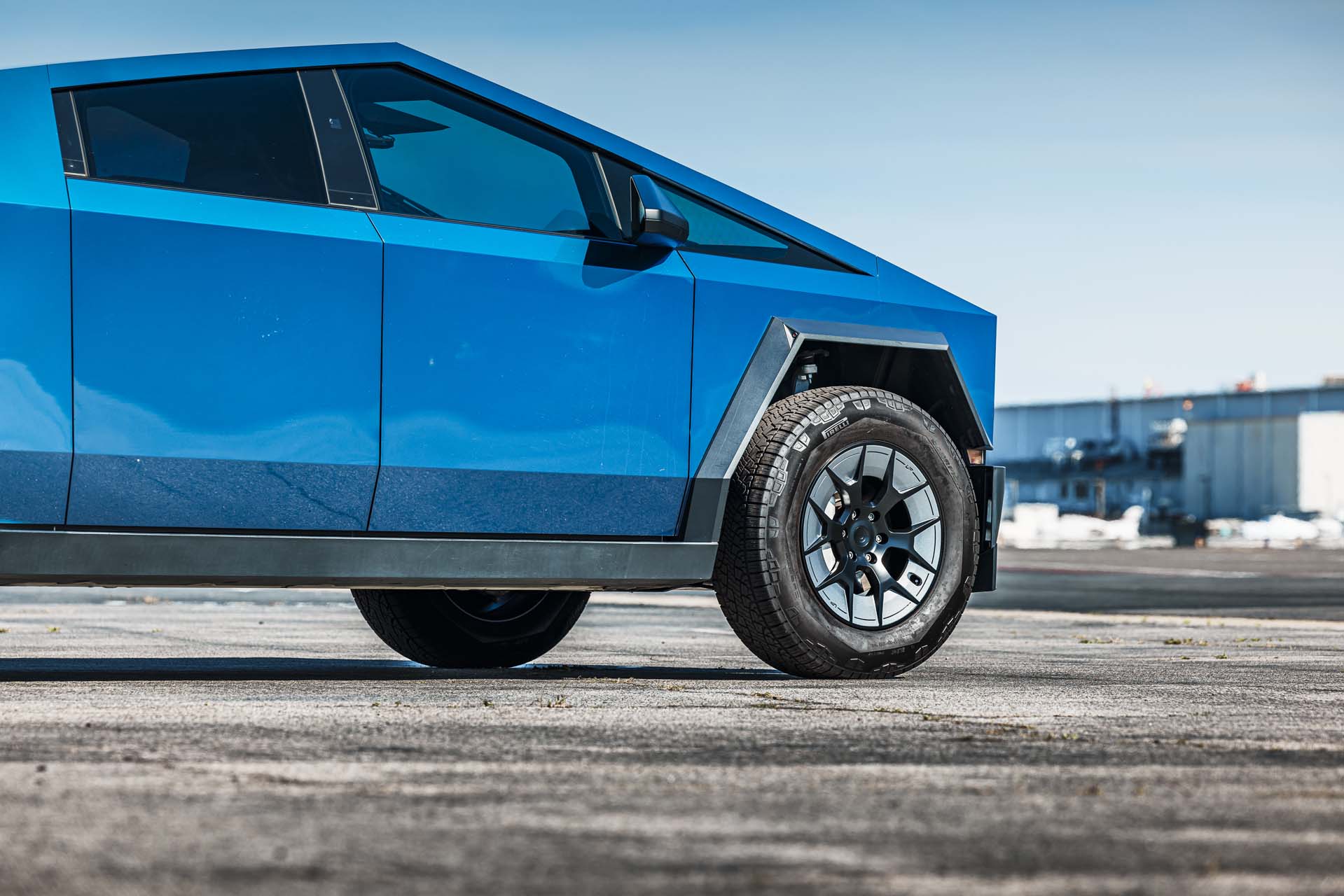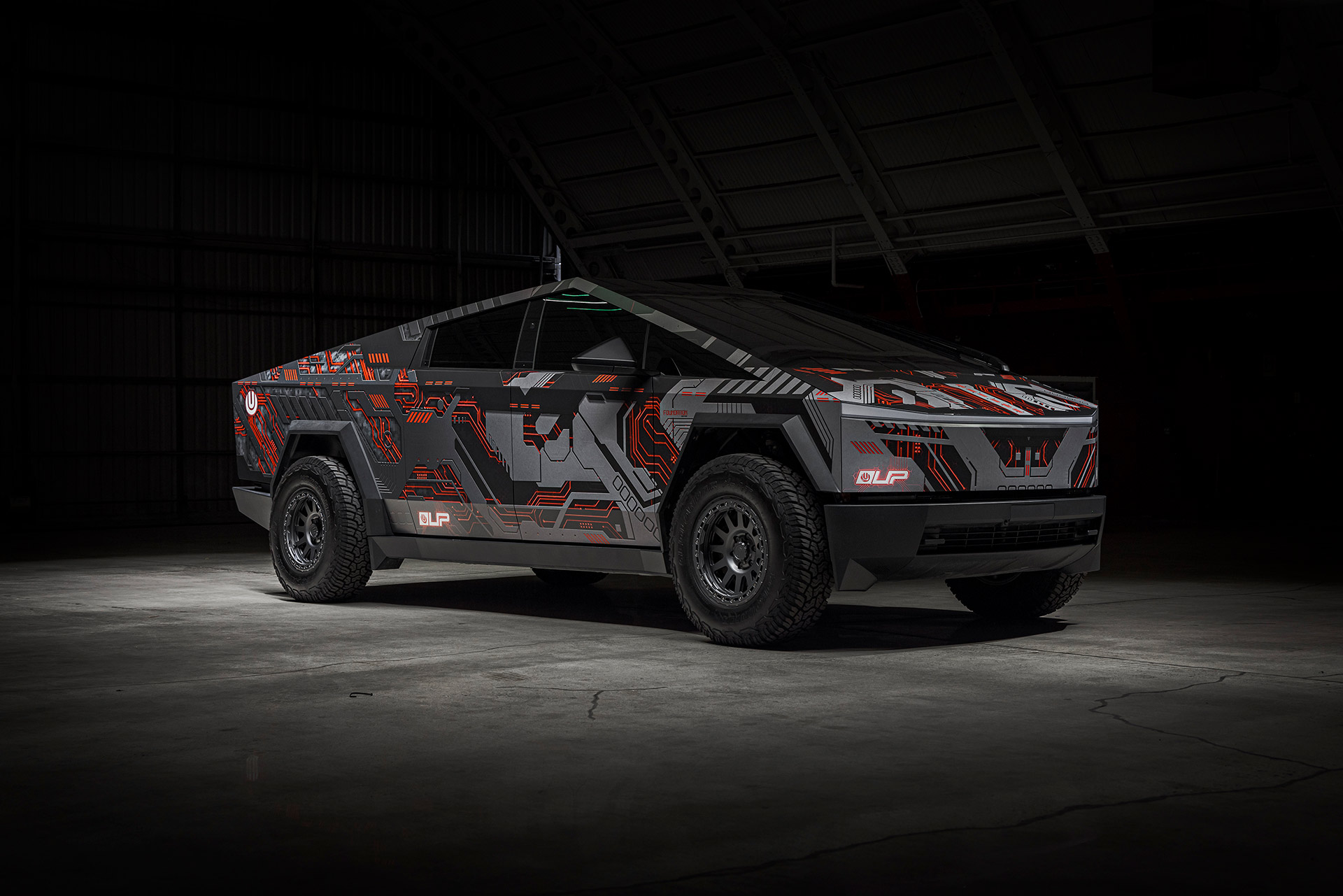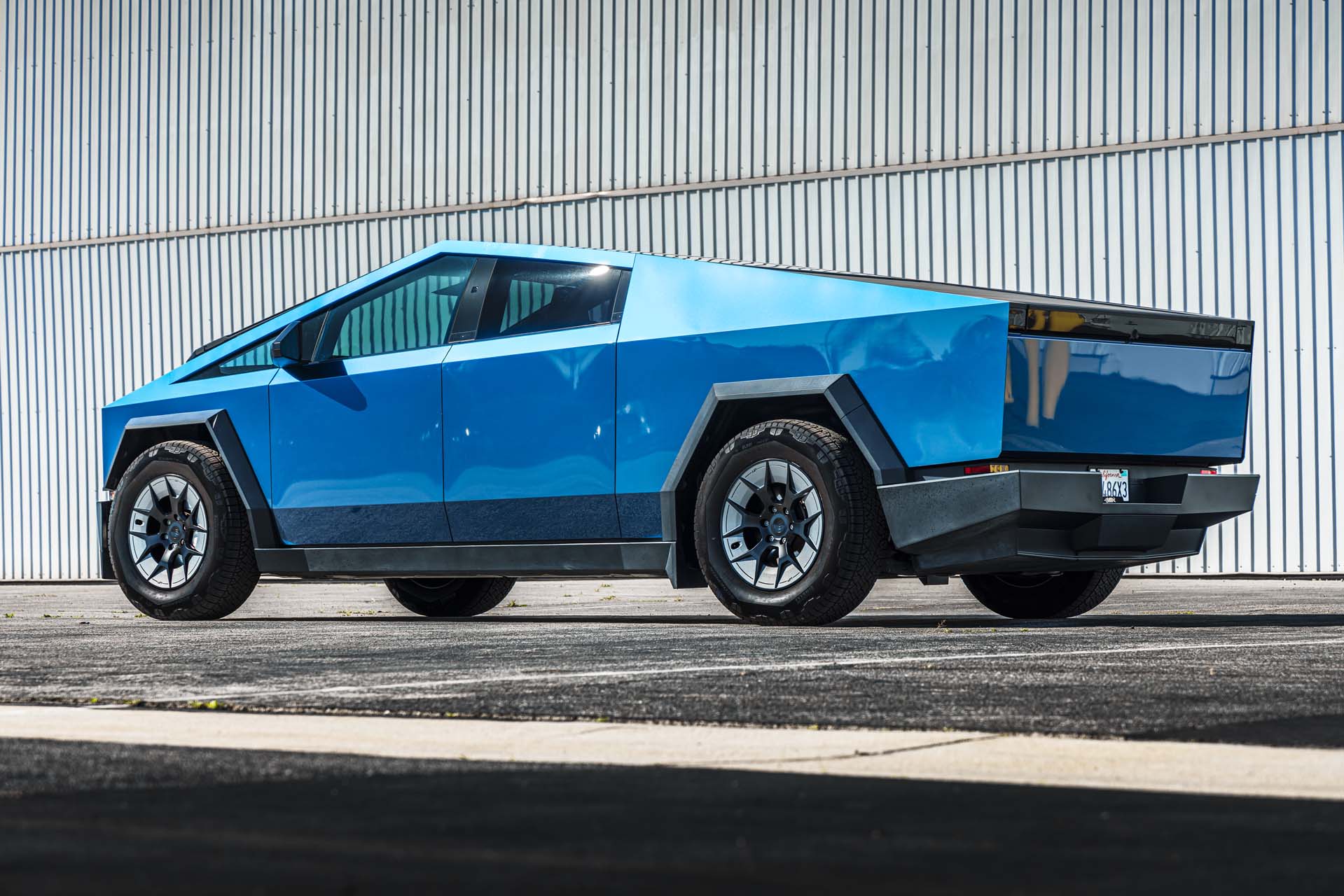

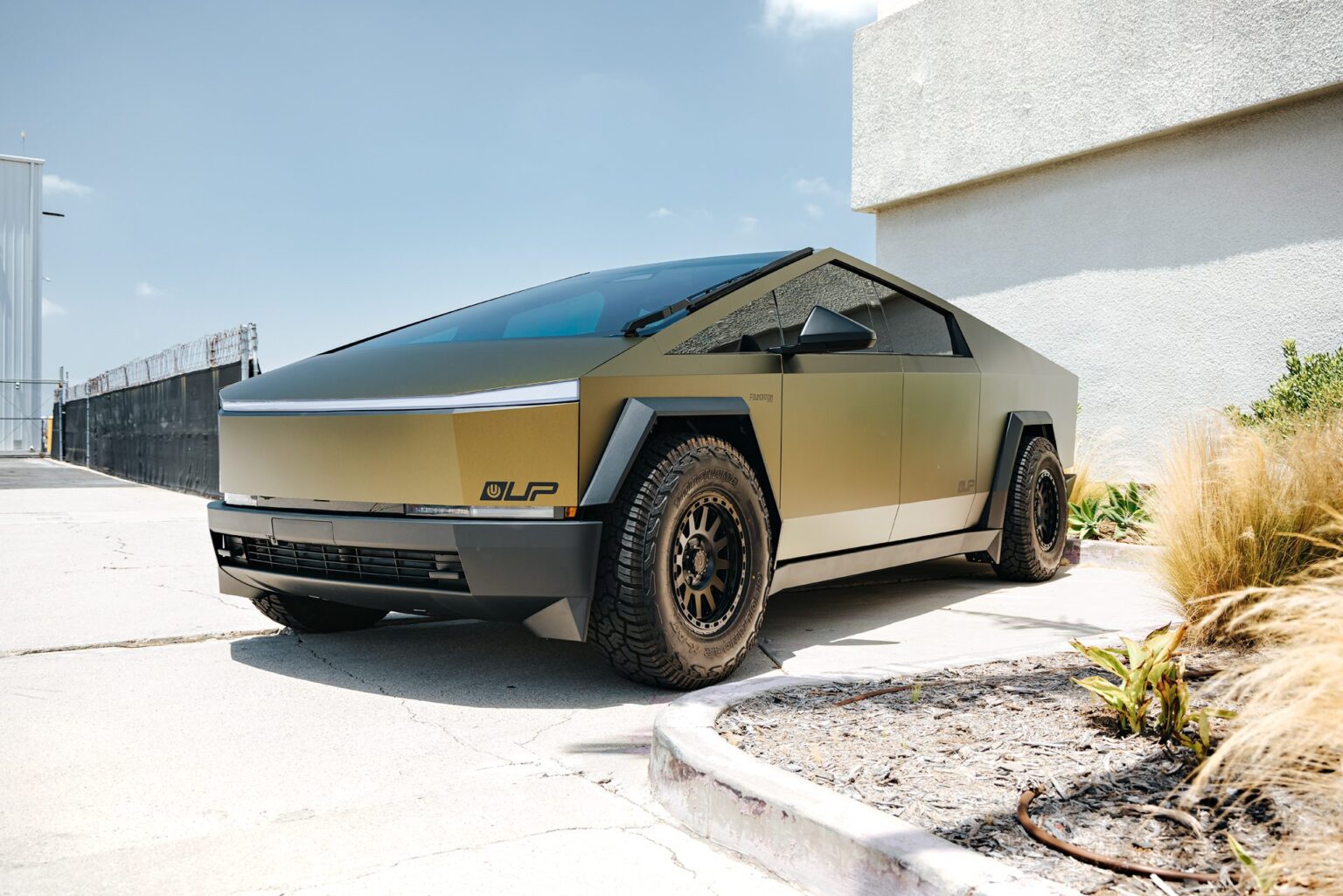
The Dual Motor AWD is no longer the only story here, and the 2026 lineup is worth laying out properly. The base Dual Motor AWD starts at $69,990, uses the same 123 kWh structural battery pack as every other trim, and is EPA-rated for roughly 325 miles of range (about 523 km). Tesla claims 0-60 mph in 4.1 seconds for it, which works out to roughly 4.3 to 4.5 seconds to 100 km/h once you account for the slightly longer distance covered getting to 62 mph. Step up to the Premium AWD, priced around $79,990, and the powertrain numbers barely move, with the same 4.1-second 0-60 time and a similar 325-mile range, but towing capacity jumps from 7,500 pounds to the full 11,000 pounds thanks to the air suspension and other hardware the base trim leaves out.
At the top sits the Cyberbeast, starting at $99,990, with its tri-motor setup cutting the sprint to 60 mph down to 2.6 seconds, or roughly 2.8 seconds to 100 km/h, while range dips slightly to around 320 miles, about 515 km, since all that extra motor hardware adds weight and draws more current under hard acceleration. None of the three trims are currently sold in Europe, so there’s no official WLTP figure to compare against, and any metric range number floating around online is a converted EPA estimate rather than a certified test result. Worth keeping in mind too that real-world highway range at sustained higher speeds tends to run 10 to 15 percent below the EPA number across all three trims, with cold weather cutting further into that.
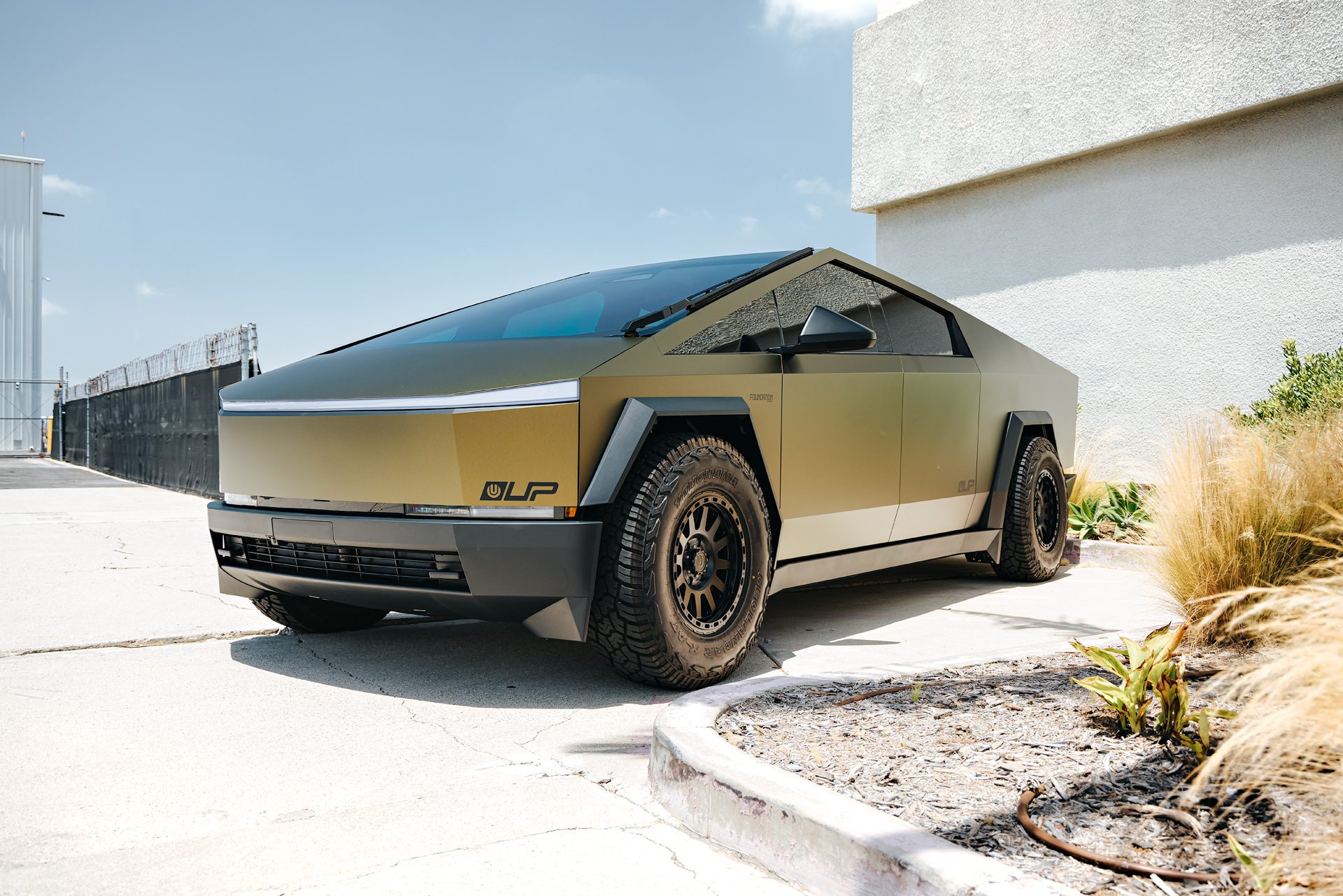
What all three trims share, regardless of power output or price, is the same 6×139.7 bolt pattern and 84.1mm center bore, with factory 20×9-inch wheels wrapped in all-terrain rubber, or an 18-inch setup on the base trim’s simplified suspension. That shared fitment foundation is what makes the aftermarket wheel market for this truck workable at all, with sizing options generally ranging from 18 to 24 inches, depending on whether an owner is building for trail use or street presence.
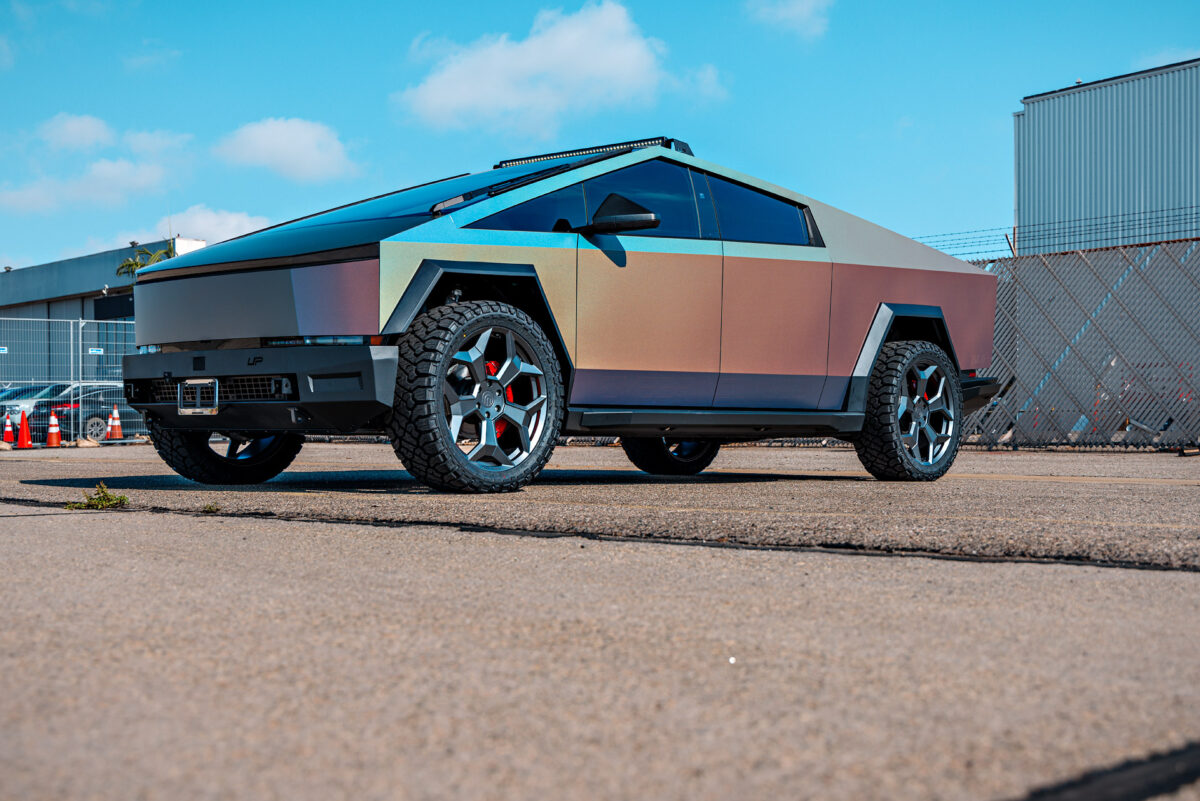
Wheel Diameter: Bigger Isn’t Automatically Better
Every Cybertruck on the road, from the base Dual Motor AWD to the Cyberbeast, shares the same 6×139.7 bolt pattern with an 84.1mm center bore. That consistency is the good news. The bad news is that bolt pattern alone tells you almost nothing about whether a given wheel will actually work on the truck, and it’s the single most misunderstood spec among new owners shopping for their first upgrade.
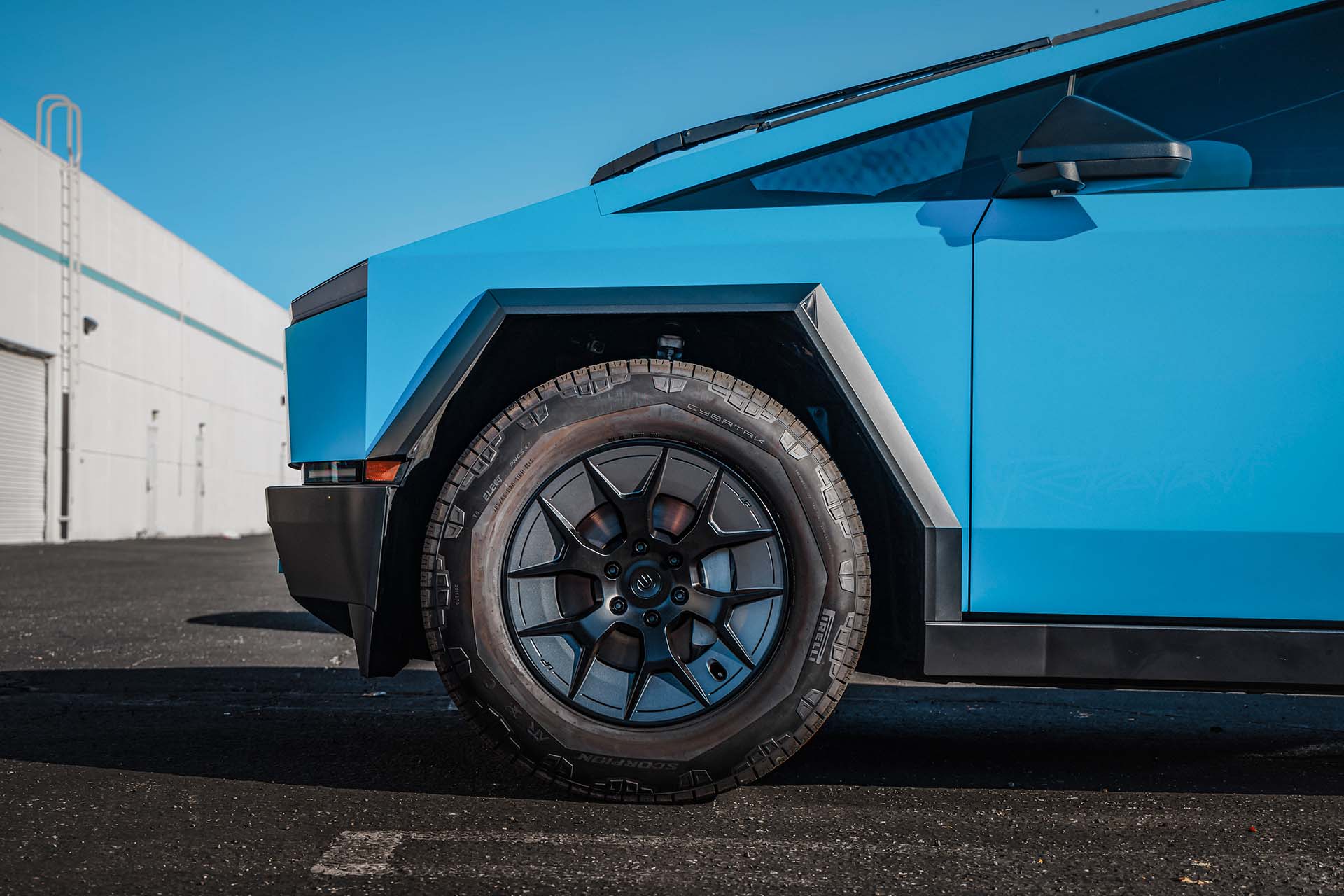
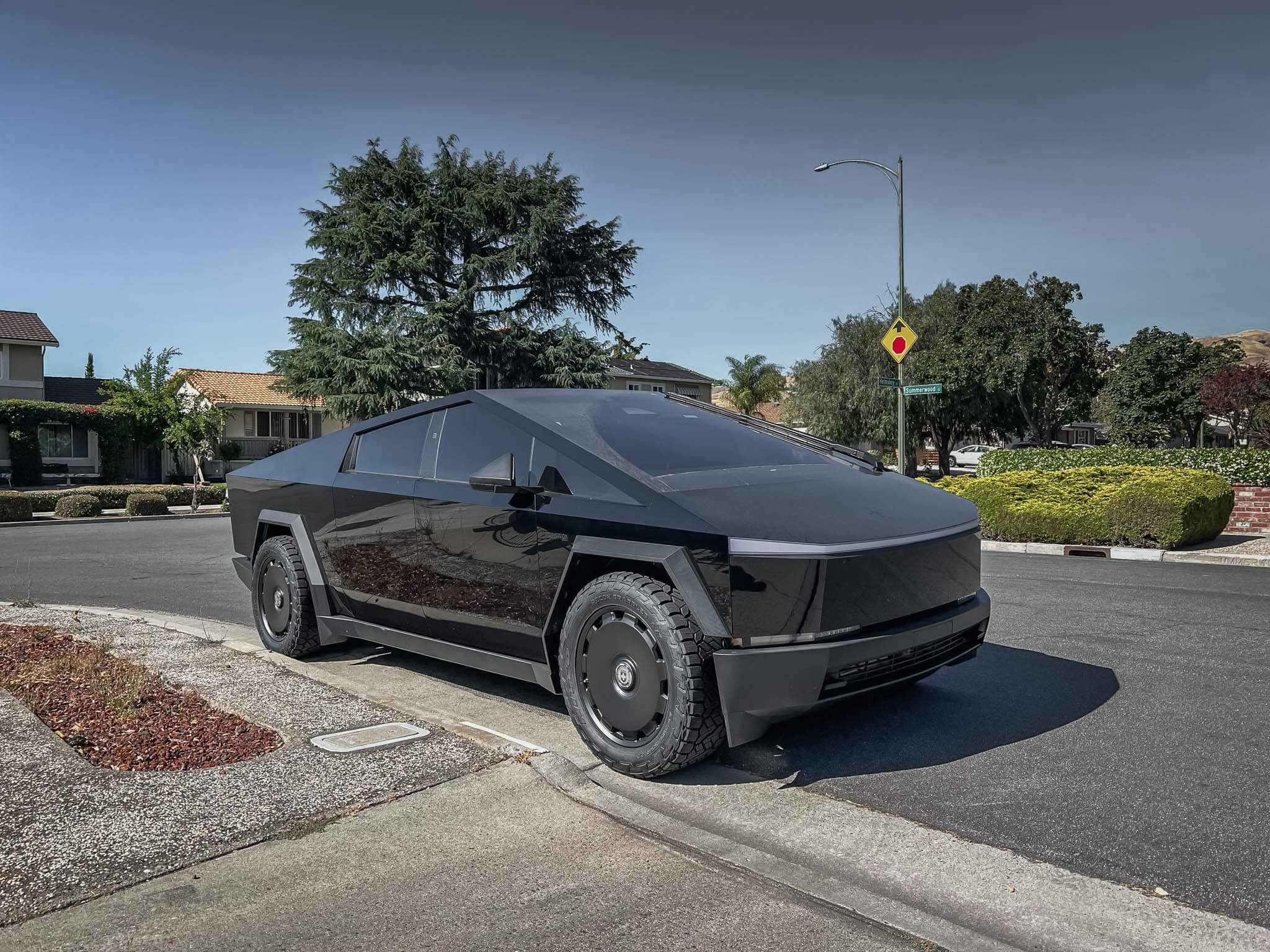
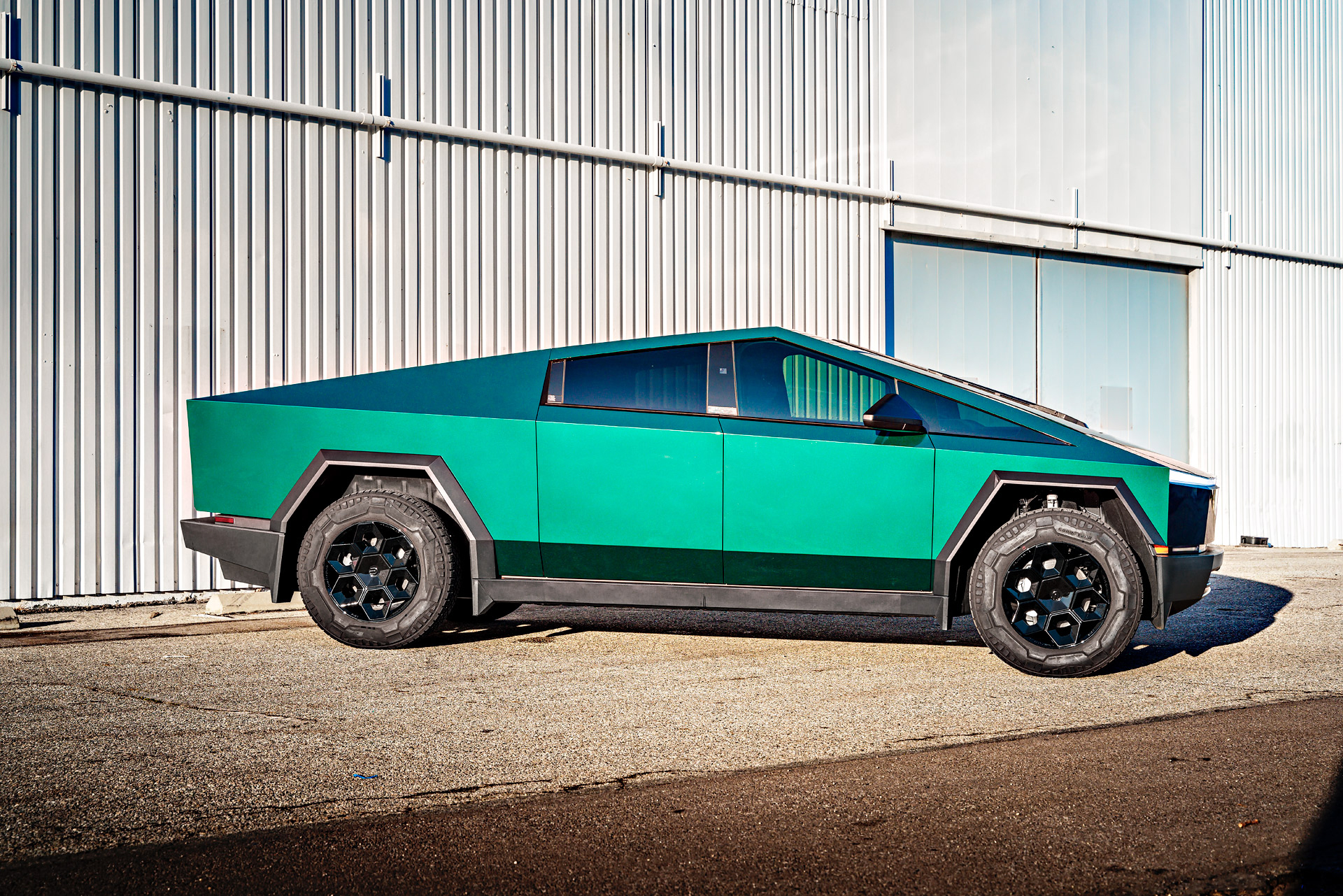
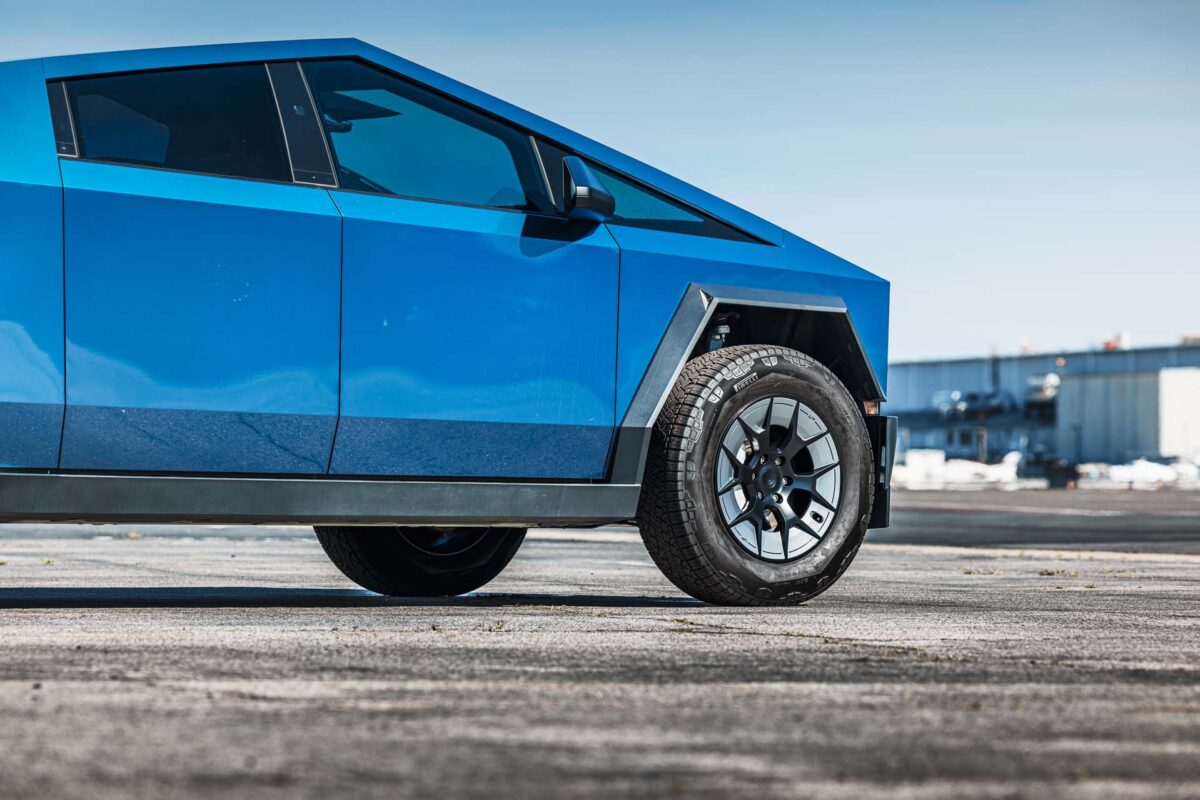
Tesla ships the Cybertruck on a 20×9-inch Cyber Wheel wrapped in Tesla-designed all-terrain rubber, though the newer base trim drops down to an 18-inch wheel with its own covers to keep costs and unsprung mass down. That range, roughly 18 to 24 inches, covers nearly every build intent on this truck, and the diameter that makes sense depends entirely on how the truck actually gets used.
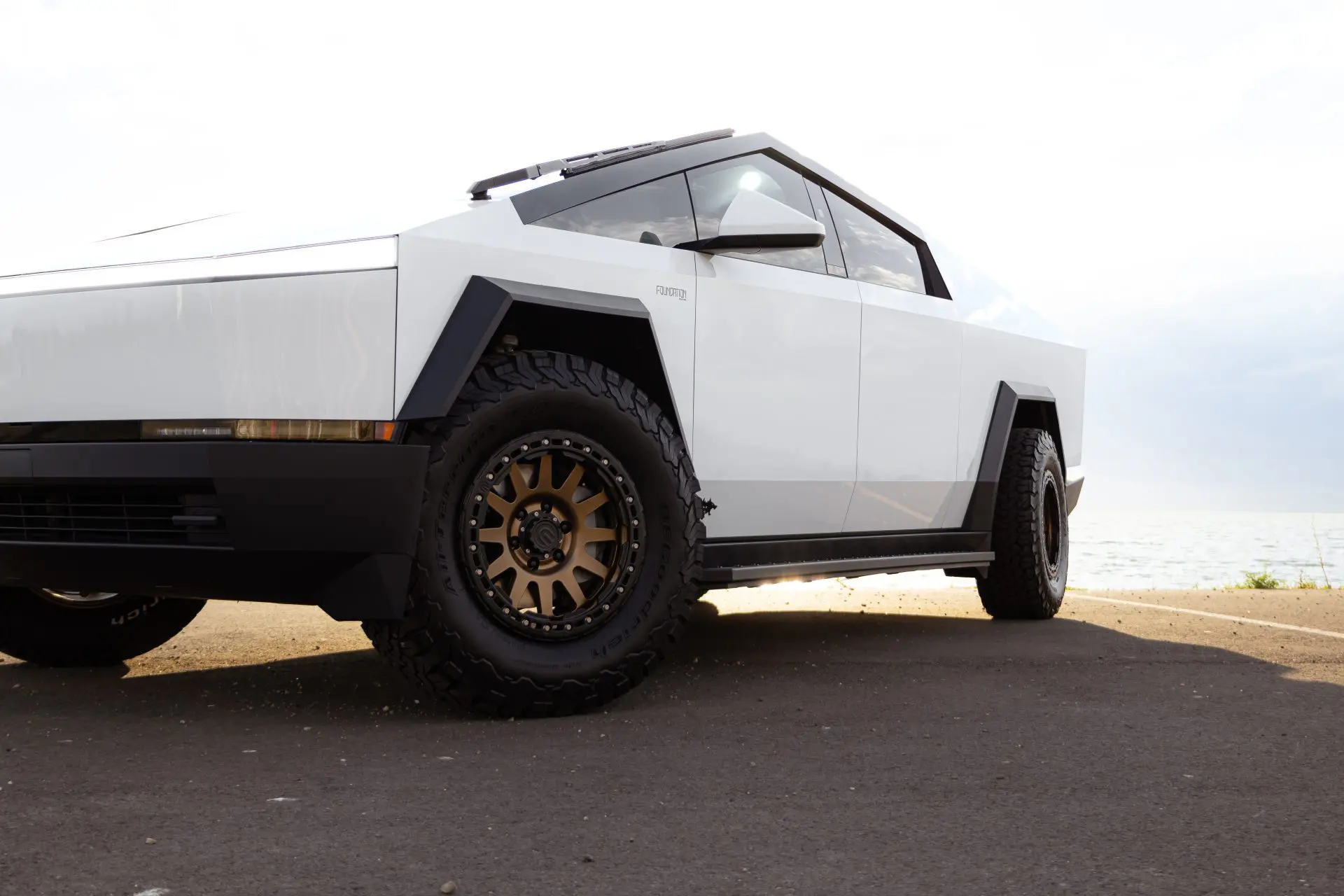
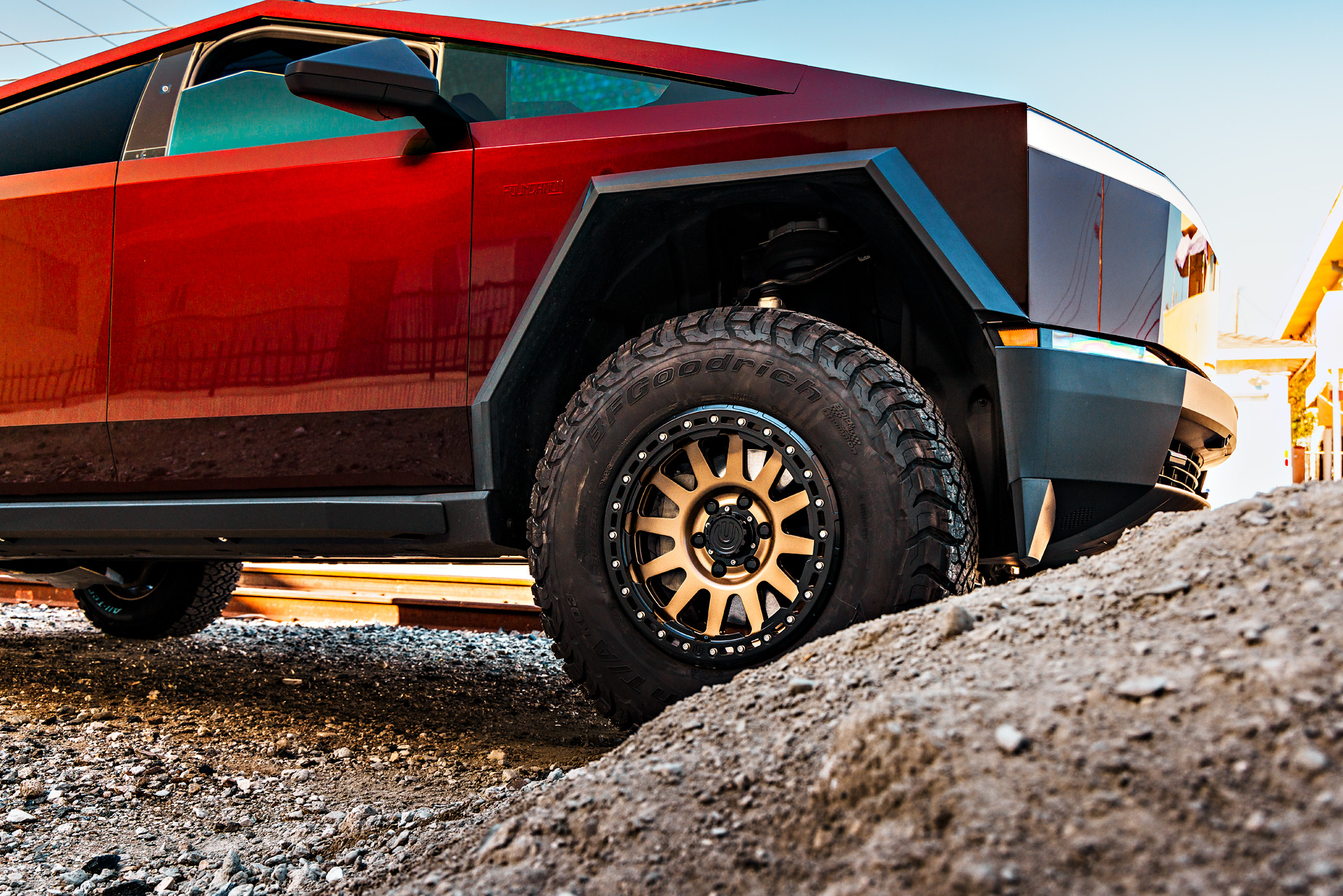
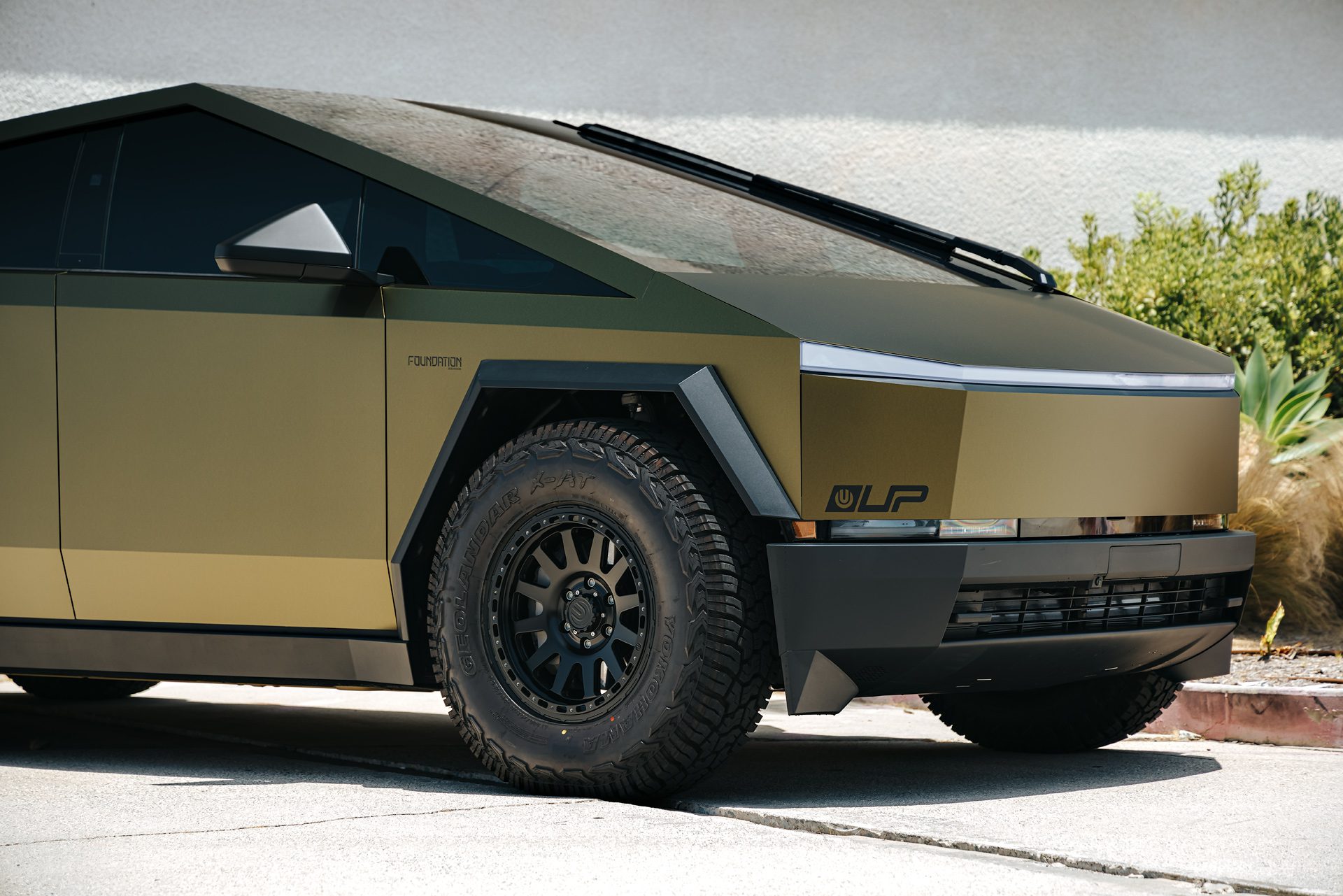
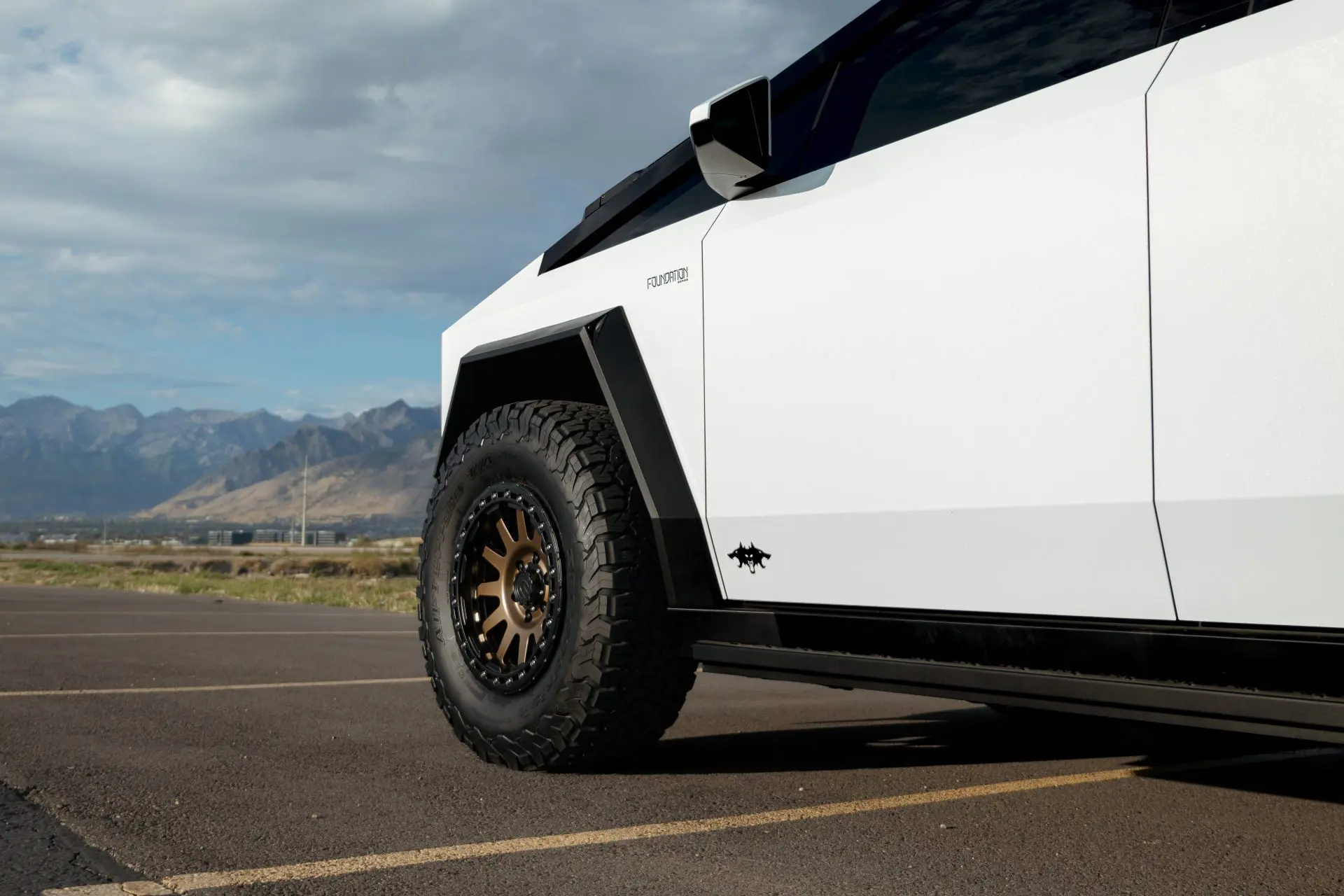
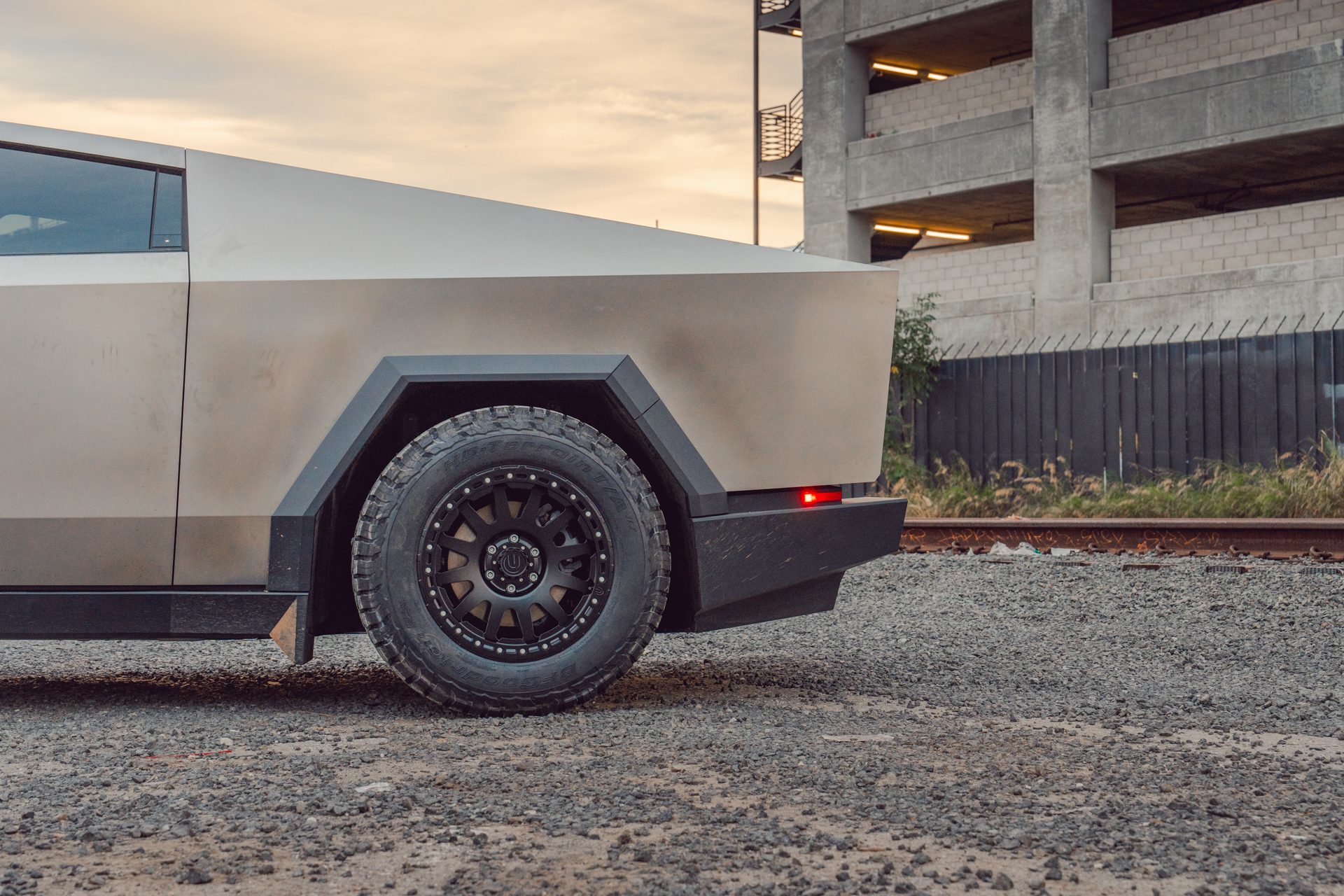
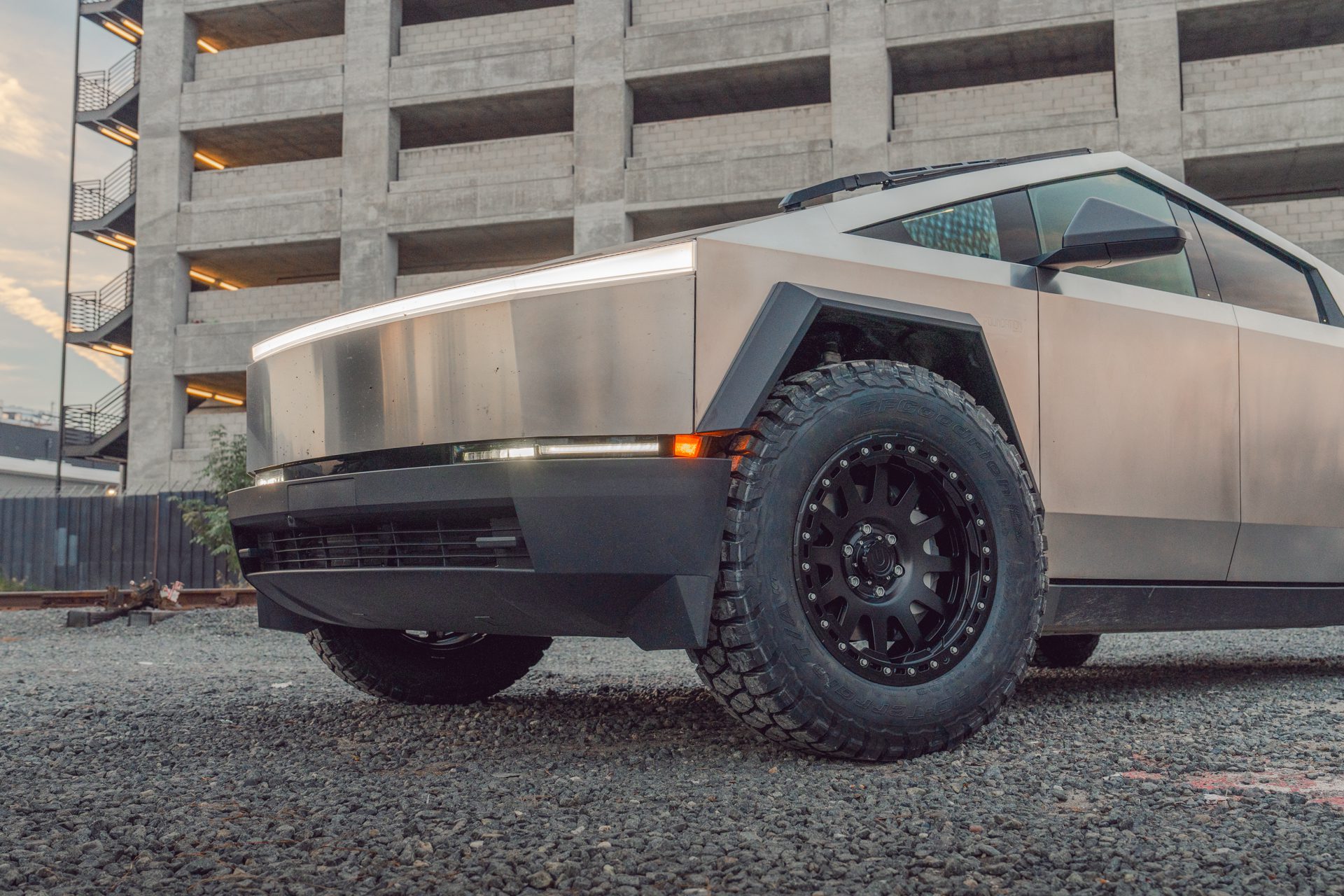
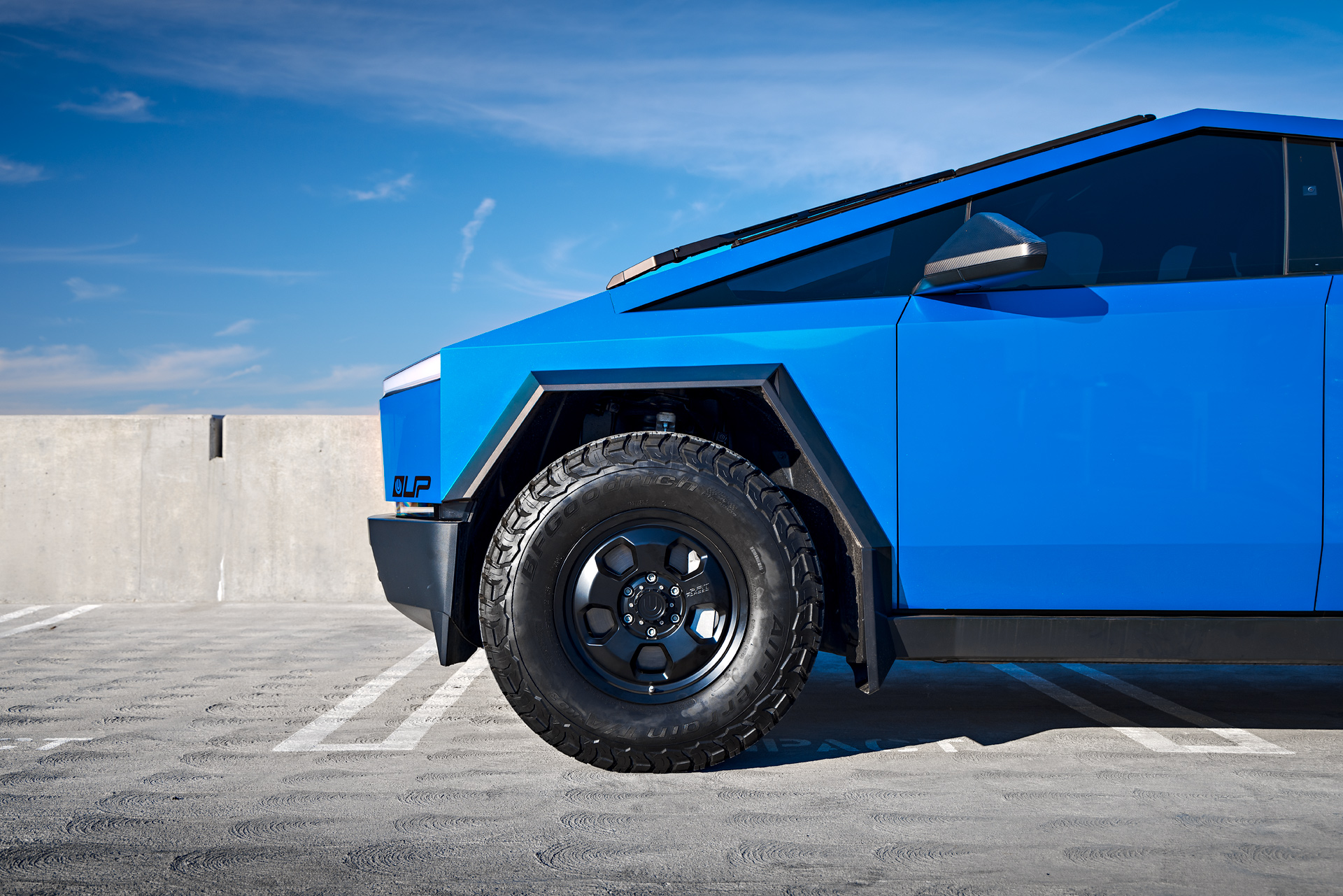
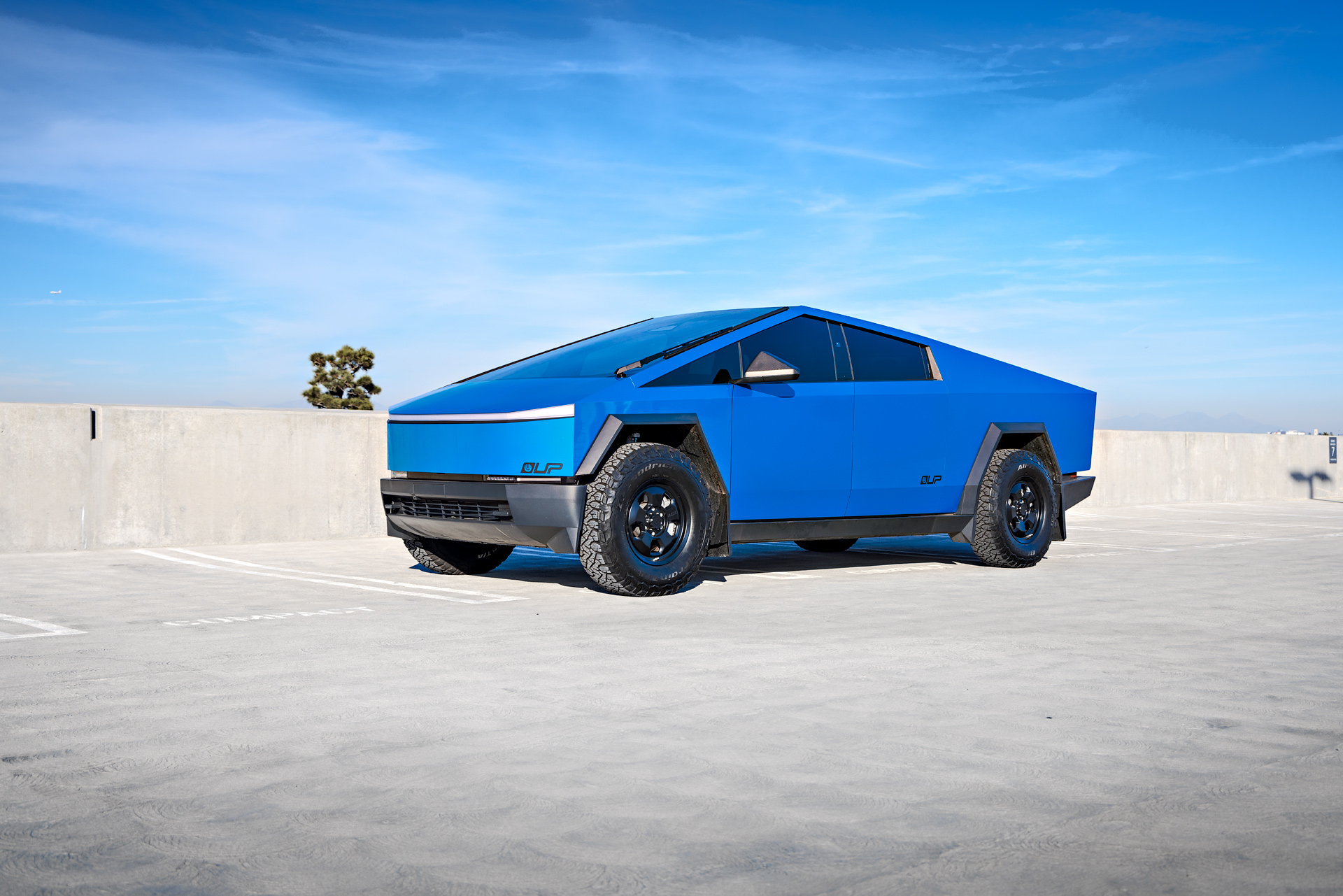
18 and 20-inch wheels suit anyone who takes the truck off pavement with any regularity. Taller sidewalls absorb washboard and rocks better, resist bending, and leave room for a proper all-terrain or mud-terrain tire without rubbing. Beadlock-style 18-inch wheels exist specifically for this crowd, allowing aggressive airing down for traction without popping a bead on the trail.
The 21 and 22-inch wheels are the daily-driver compromise, preserving most of the factory ride quality and tire selection while sharpening the truck’s stance. Most owners splitting time between commuting and light trail use land here.
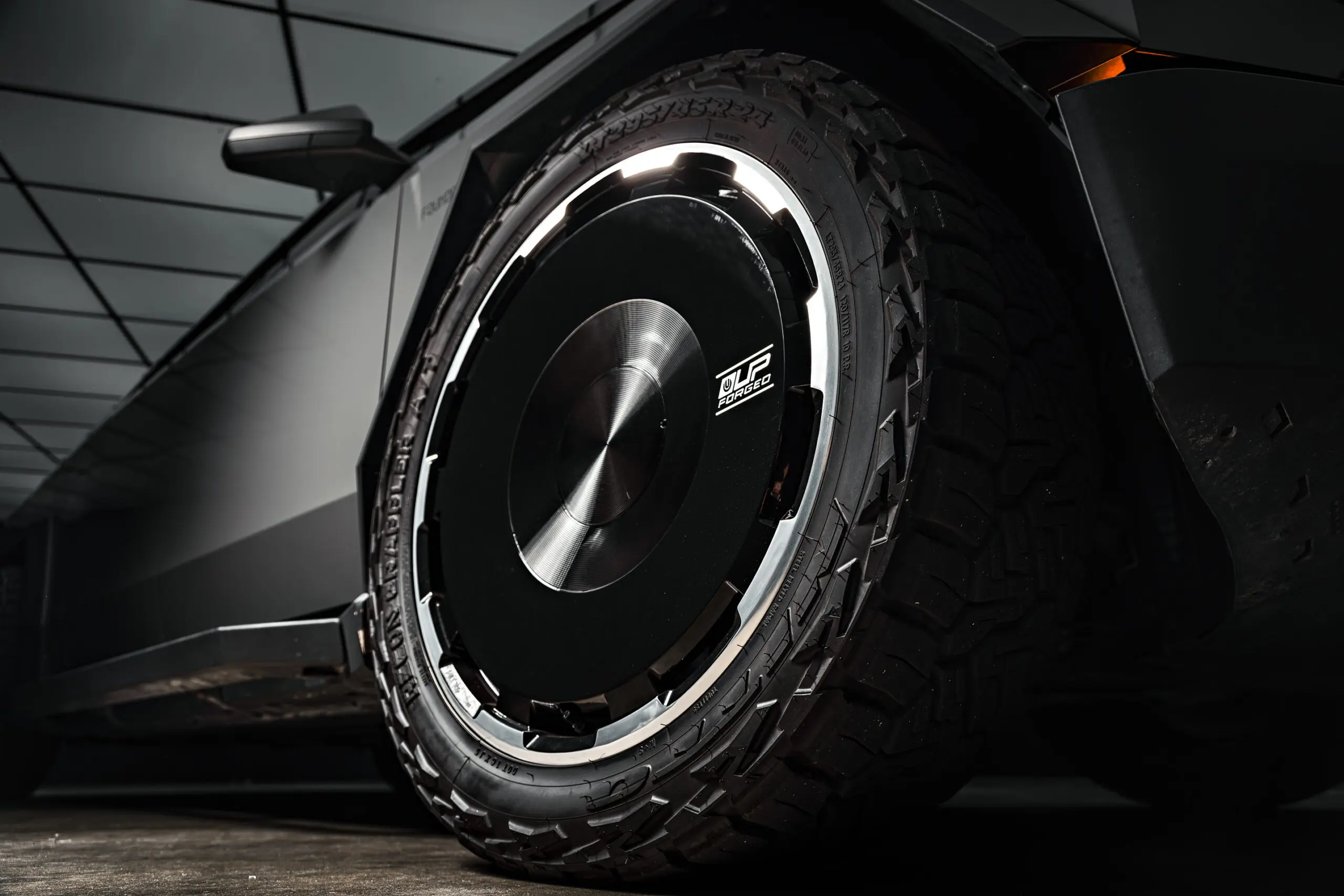
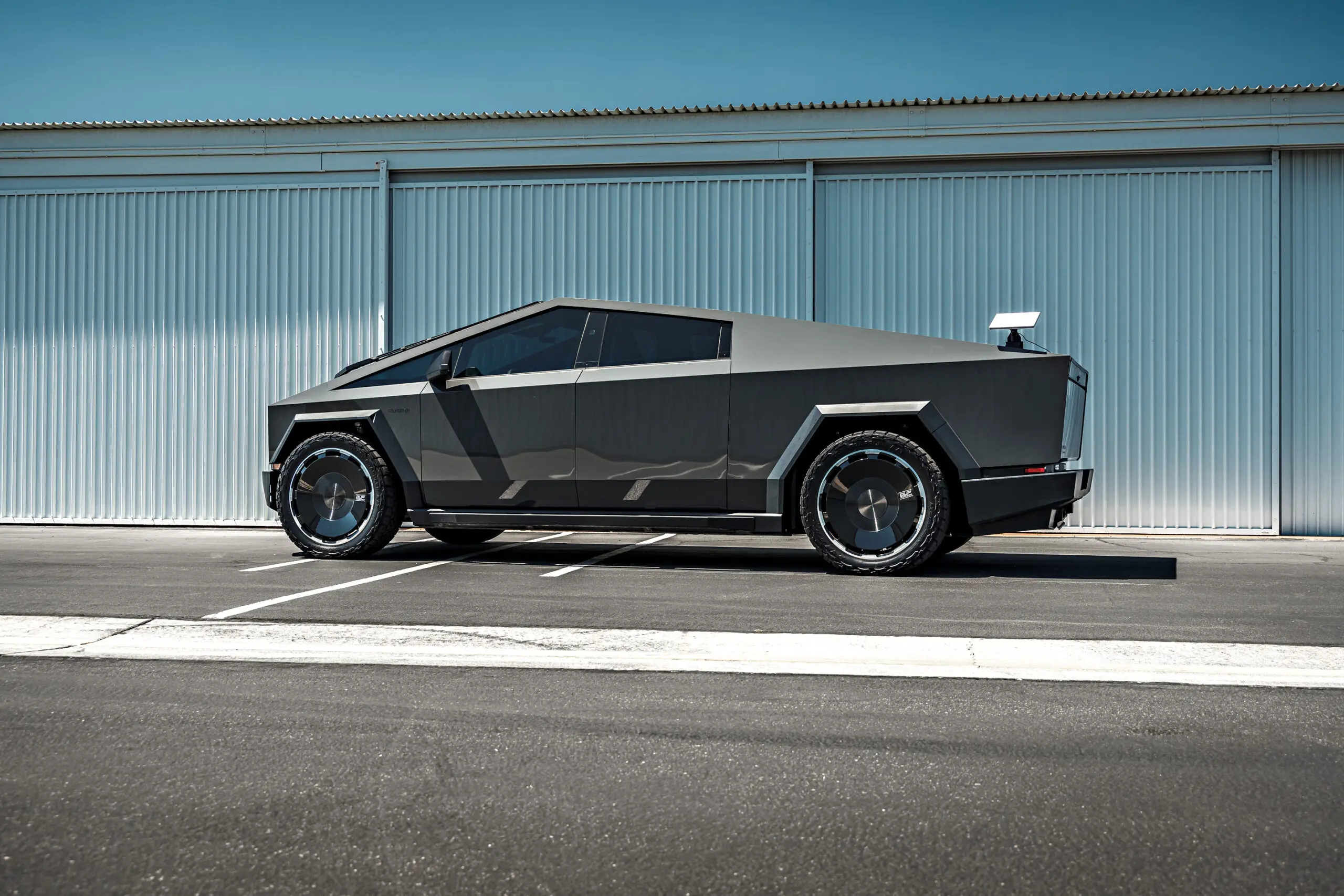
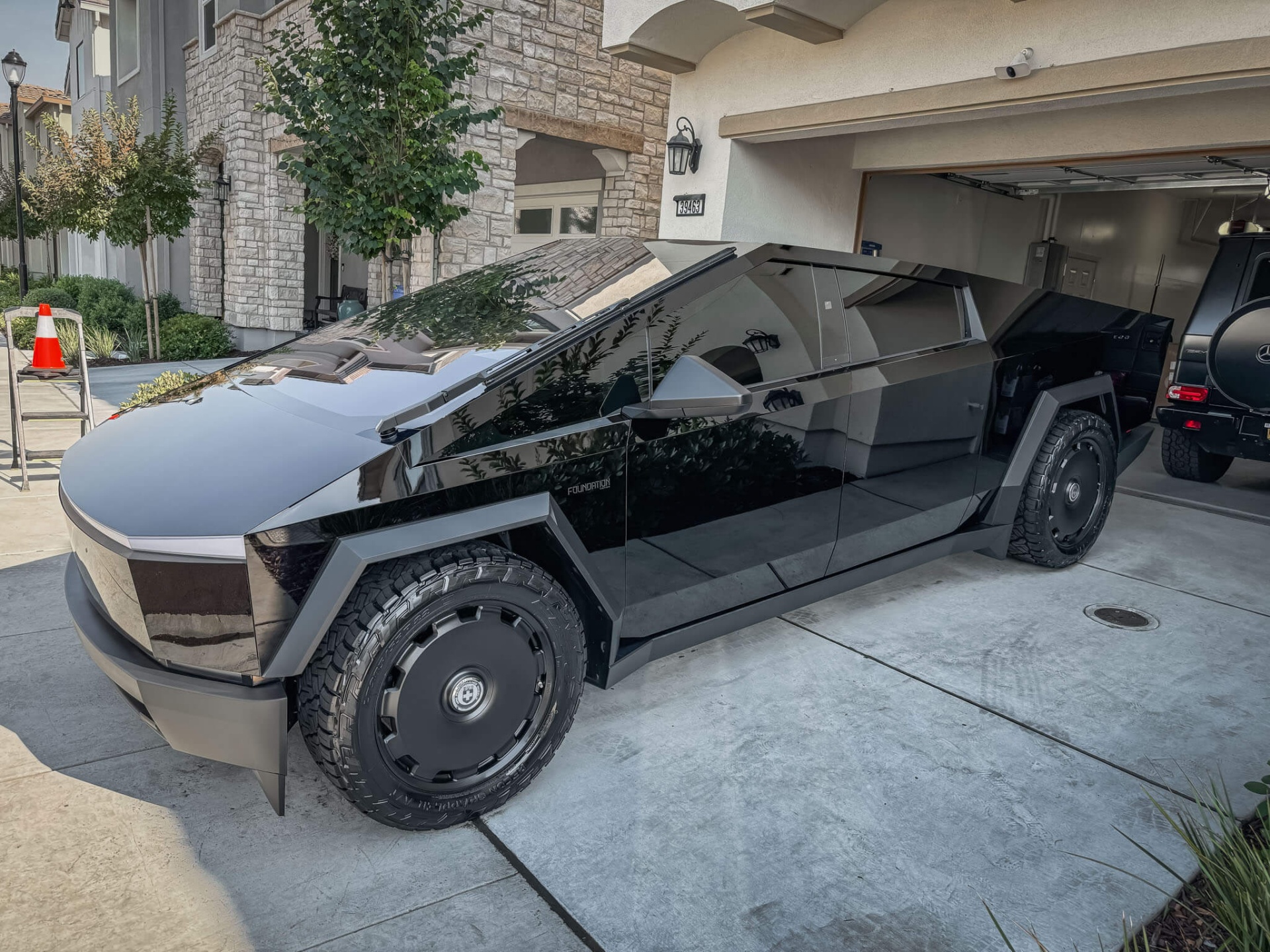
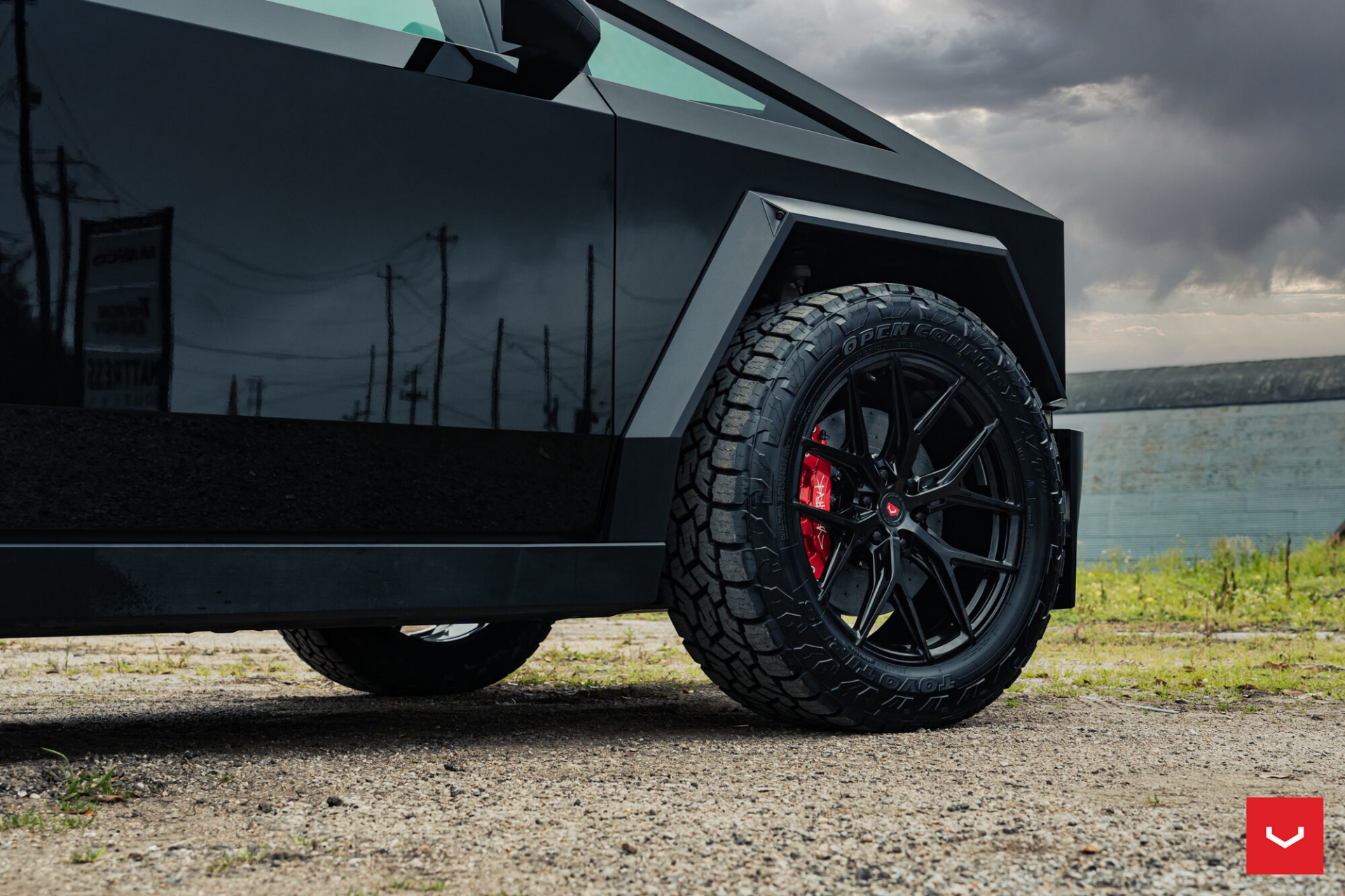
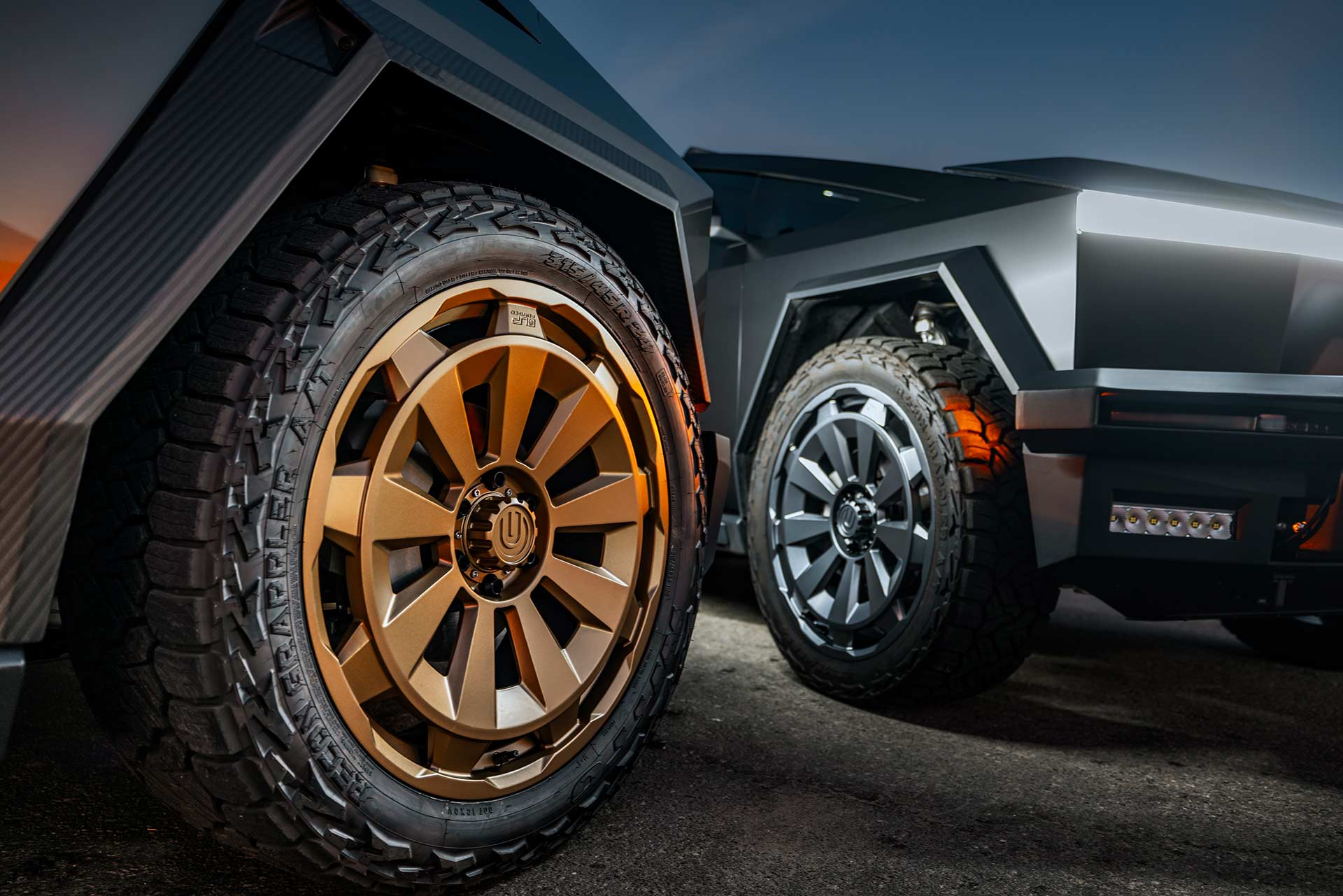
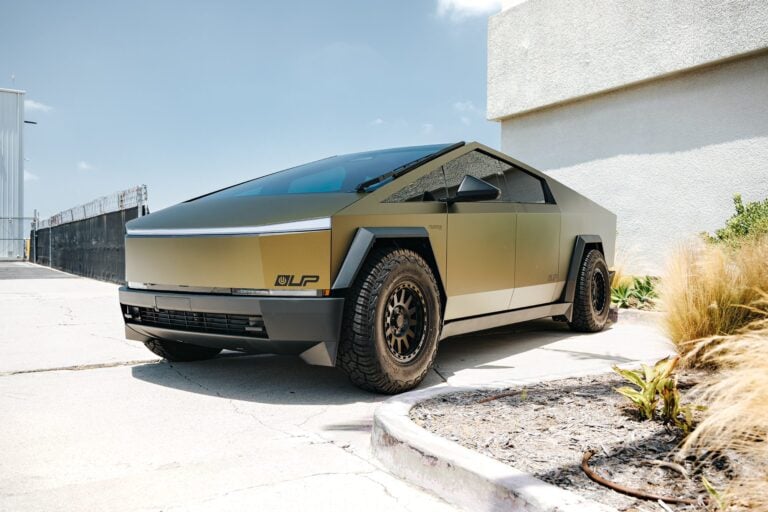
24-inch wheels, with angular designs that echo the truck’s faceted body lines, are a street-and-show statement. They look striking parked outside a coffee shop, but shorter sidewalls transmit more impact harshness, tire selection narrows fast, and curb or pothole damage becomes a bigger risk. That’s a reasonable tradeoff for a truck that rarely leaves pavement, and a poor one for anyone who tows or off-roads.
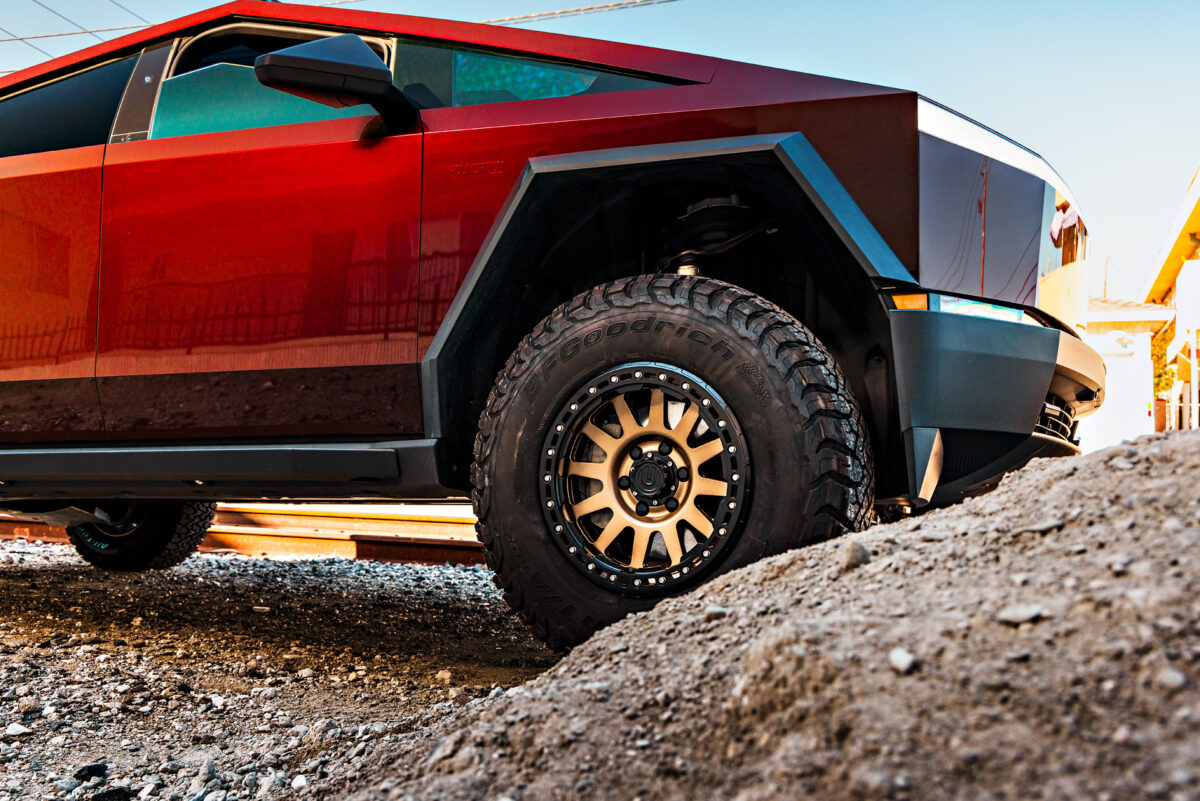
Offset, Backspacing, and Why “It Bolts On” Isn’t the Same as “It Fits”
Bolt pattern gets a wheel physically attached to the hub. Offset determines whether it clears the fender, the brake caliper, and the suspension components without rubbing. Push offset too negative and the wheel pokes out past the fender line, adding stress to bearings and steering components over time. Go too positive and the inner barrel risks contact with the control arm or brake hardware, especially with a lift or larger tire in the mix.
This matters more on the Cybertruck than on most trucks because of curb weight. A Cyberbeast pushes close to 6,900 pounds, and the Dual Motor AWD isn’t far behind. That mass loads every wheel and bearing harder than a comparable gas truck, which is why wheels with a genuinely high load rating matter more here than on a typical half-ton pickup.
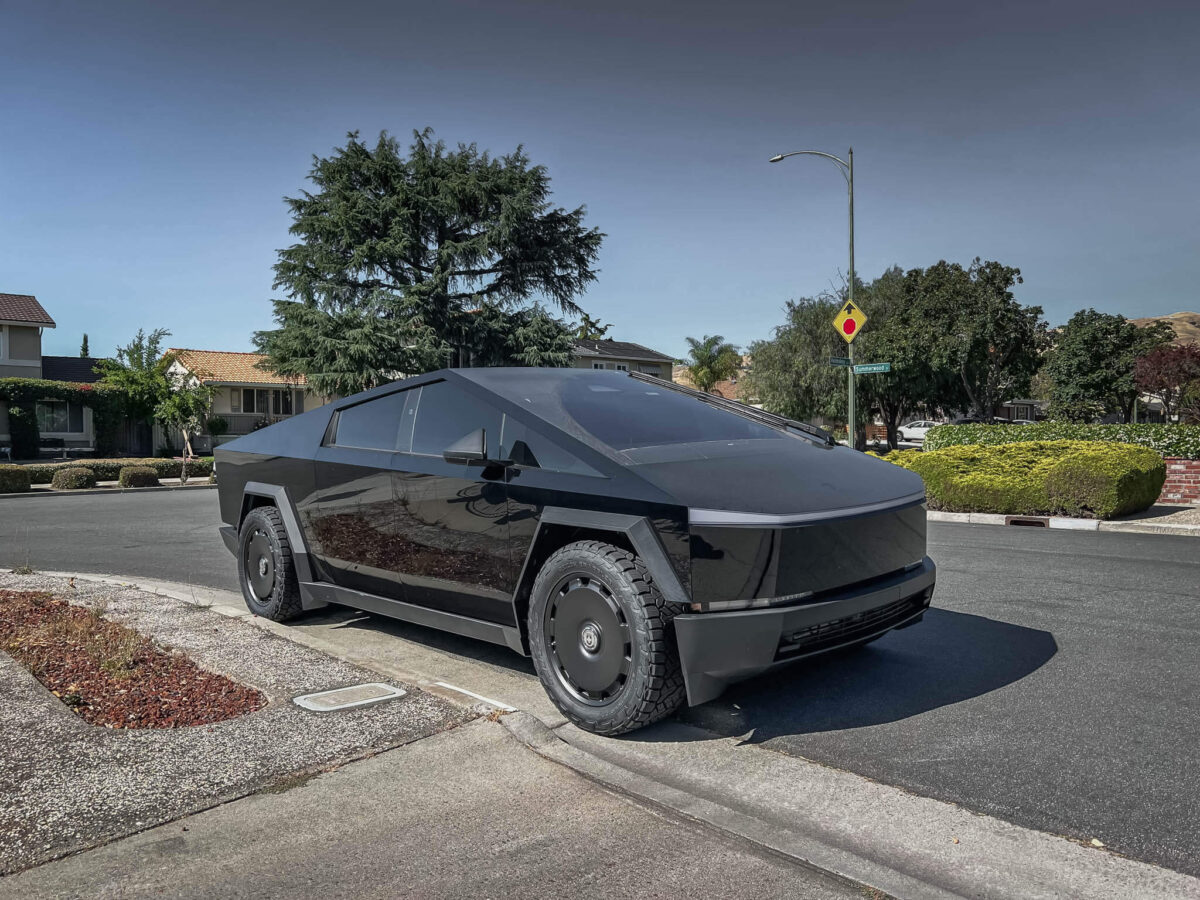
Tires: The Part People Underspend On
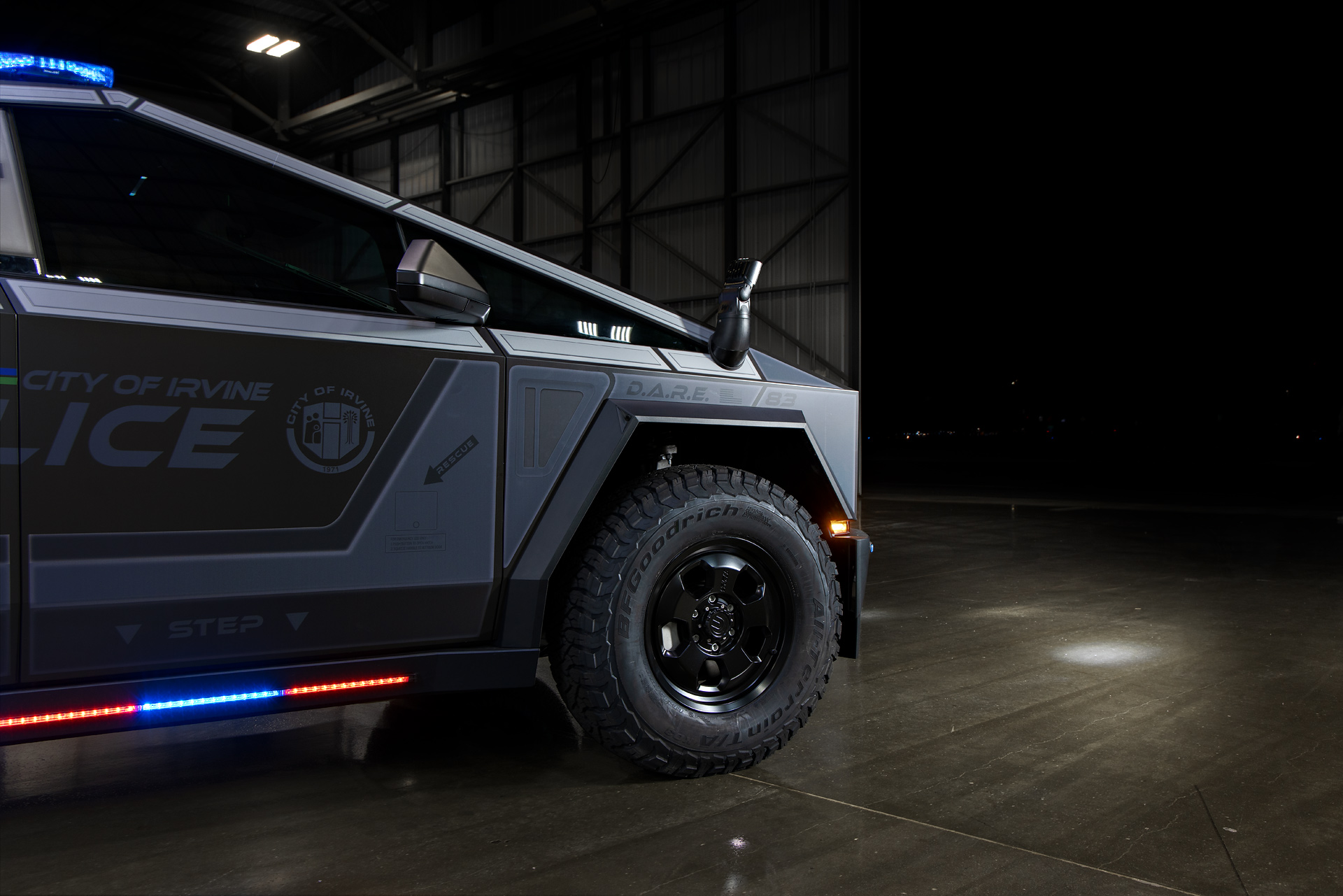
A great wheel on the wrong tire is still a bad fitment. Because the Cybertruck’s weight and torque delivery both run high for the segment, tire load index matters as much as tread pattern. All-terrain tires remain the default for owners splitting time between road and trail. Mud-terrain tires make sense for anyone running technical trails regularly, but expect a real hit to range and road noise given how hard the truck already works to overcome its own frontal area and weight.
One detail specific to this truck: because it’s an EV pulling from a stop with no turbo lag or gear hunting, tires wear differently than they do on a comparable gas or diesel truck. Rear tires in particular take a beating under hard acceleration, which makes more frequent rotations and a tire with a genuinely high treadwear rating worth budgeting for over the ownership window.
Who Actually Knows How to Build a Cybertruck Wheel
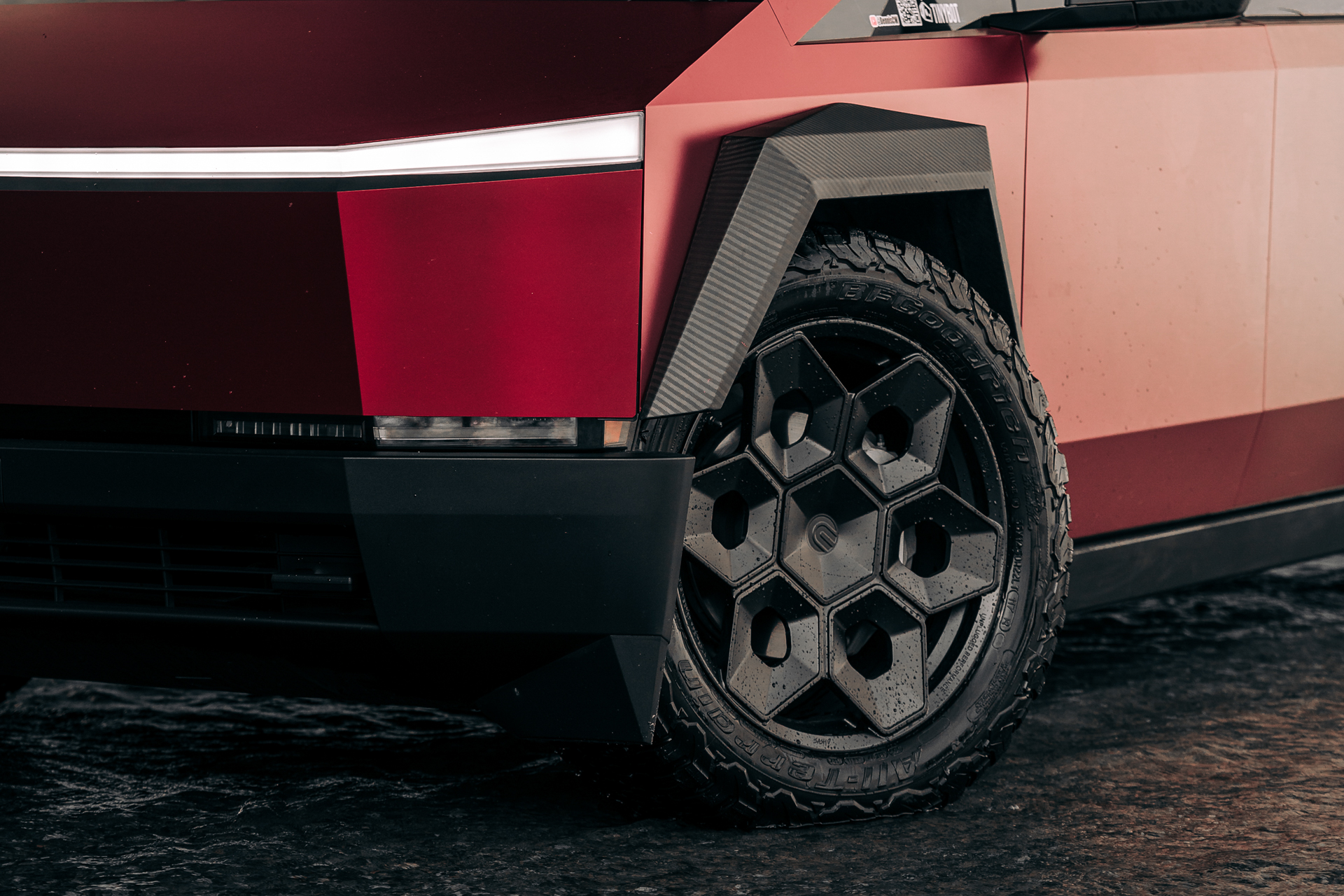
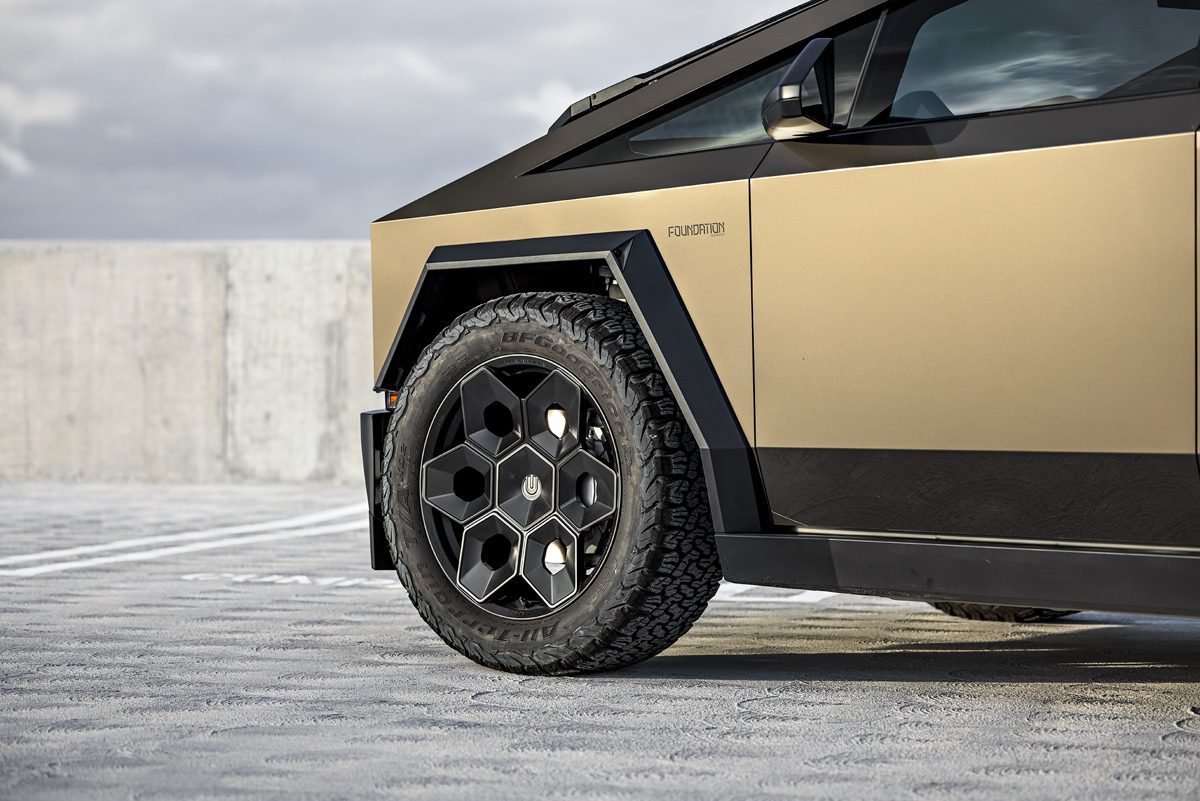
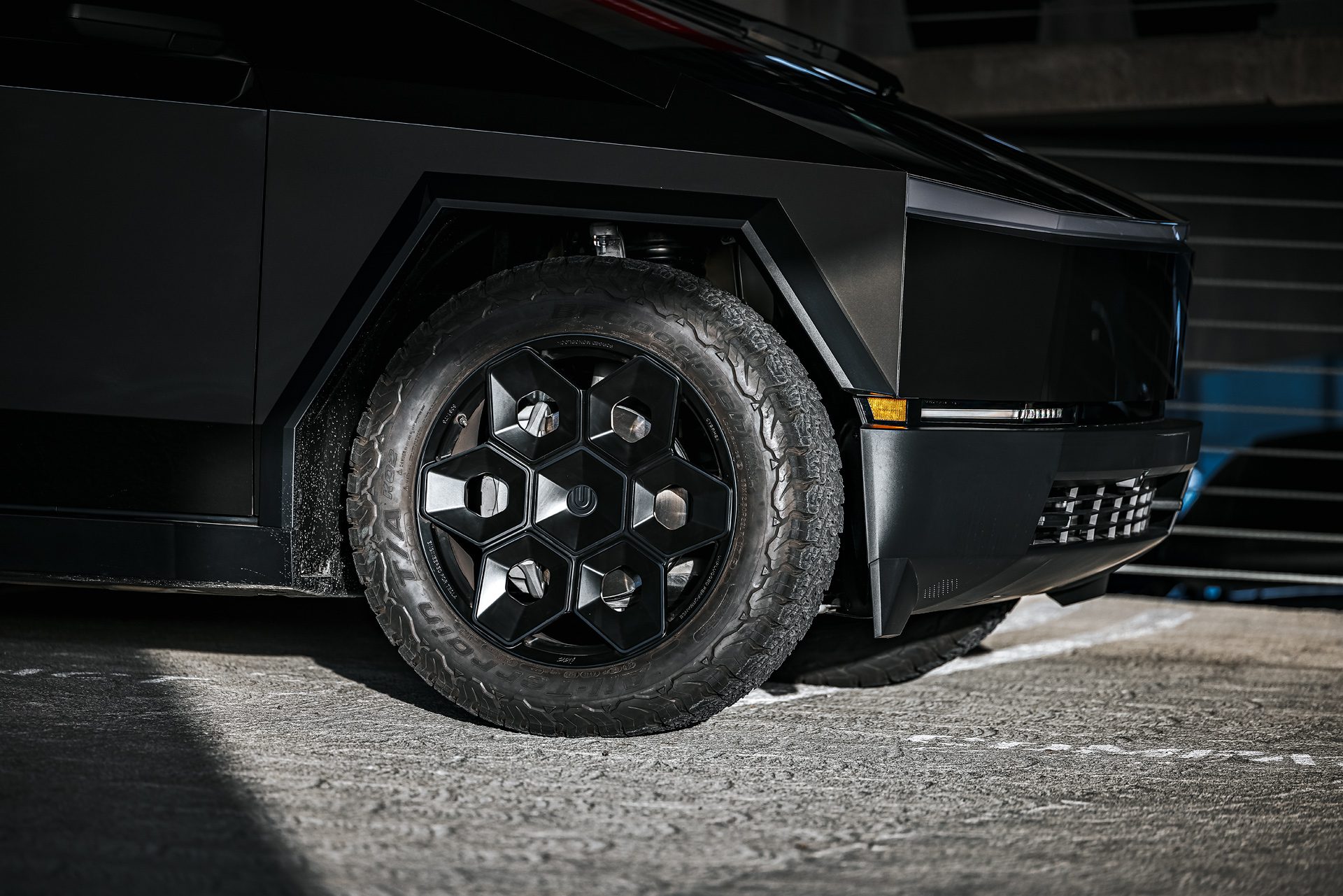
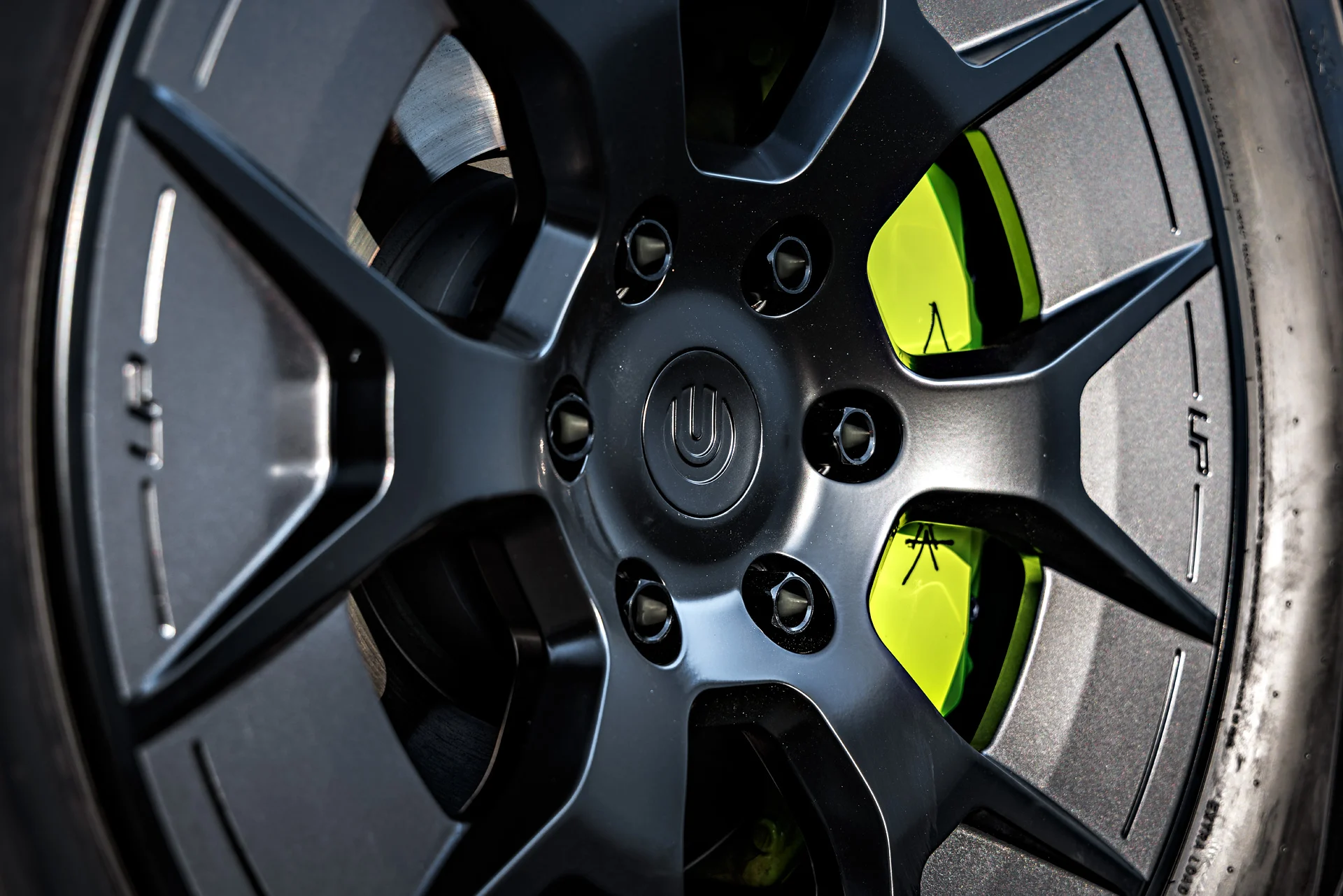
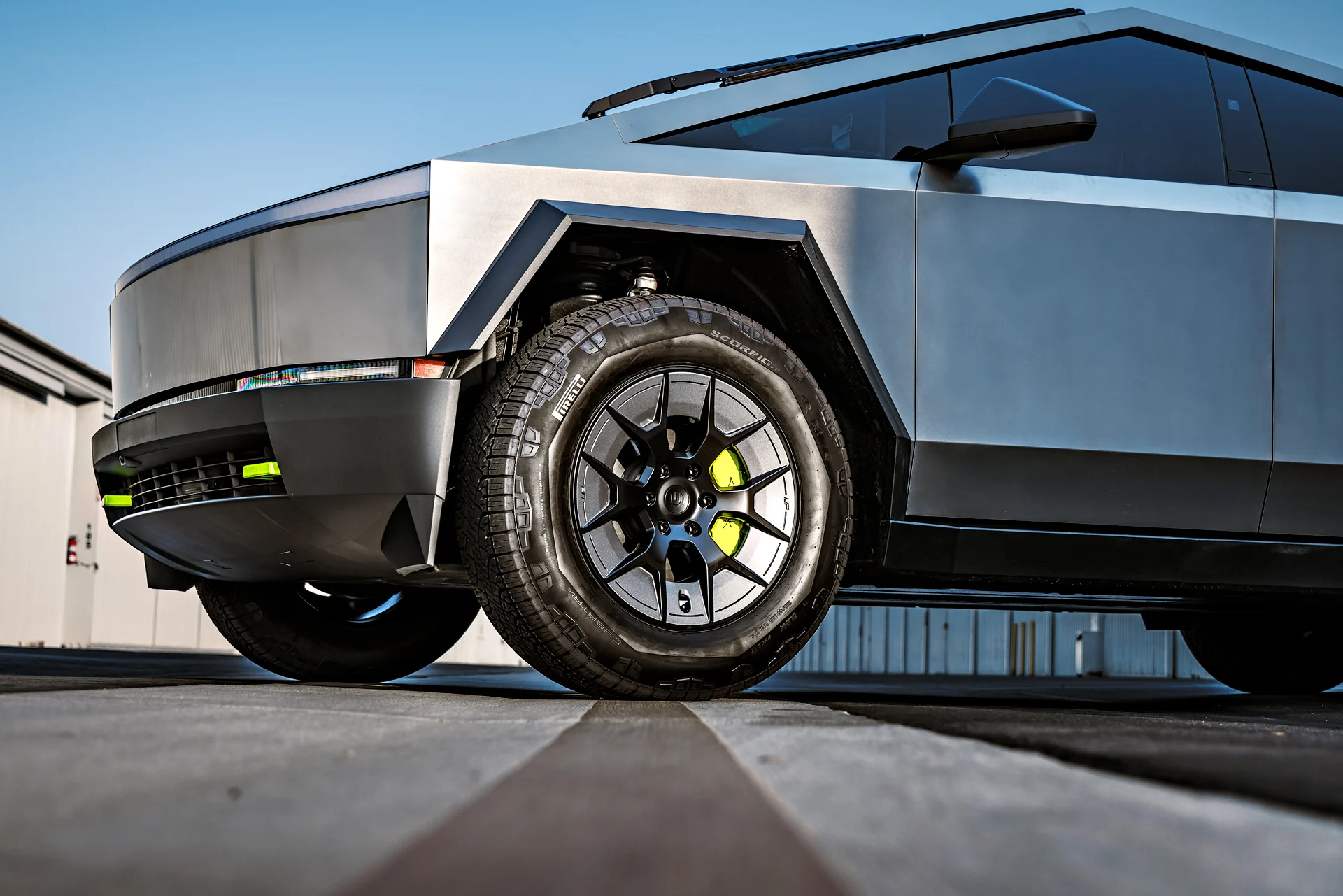
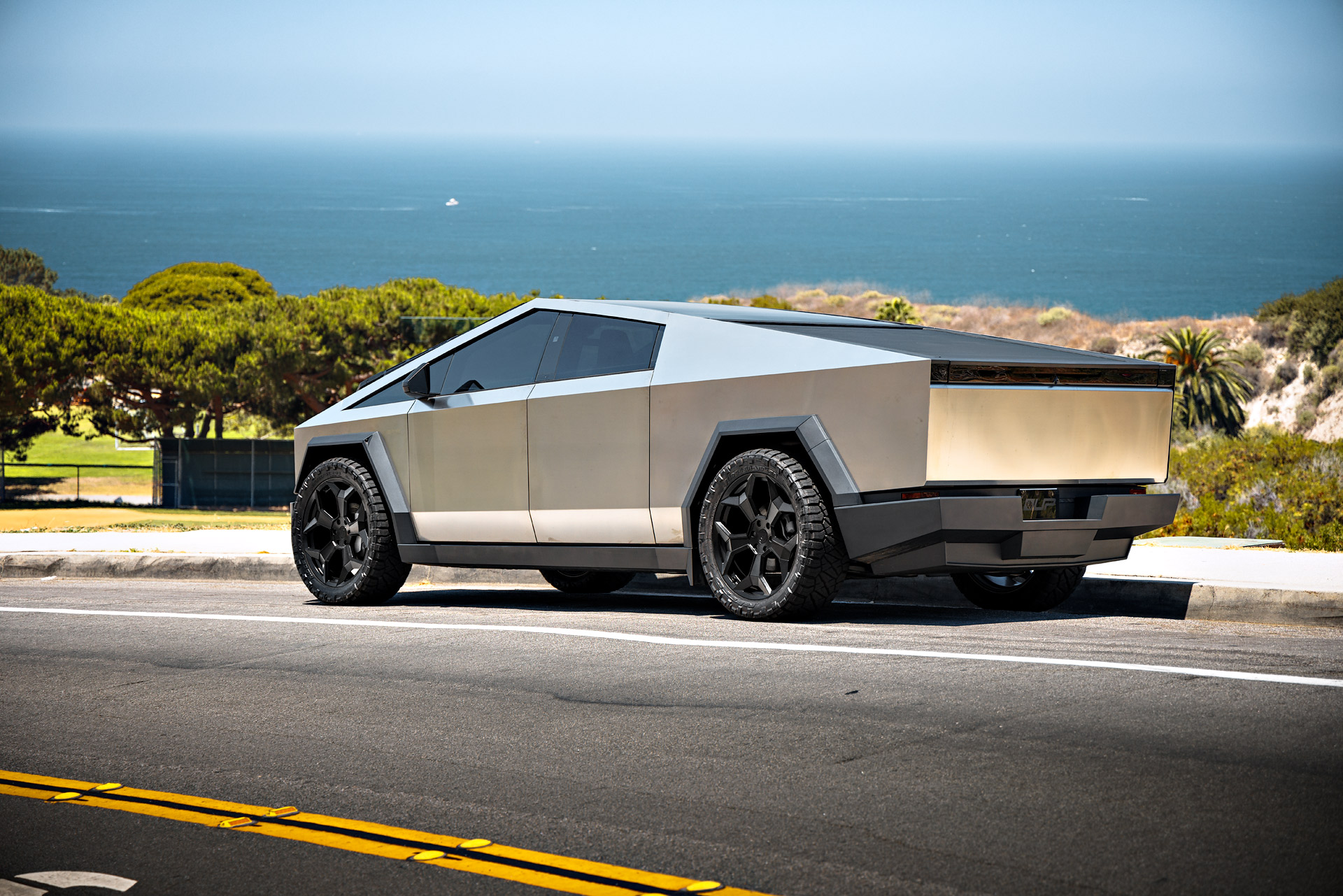
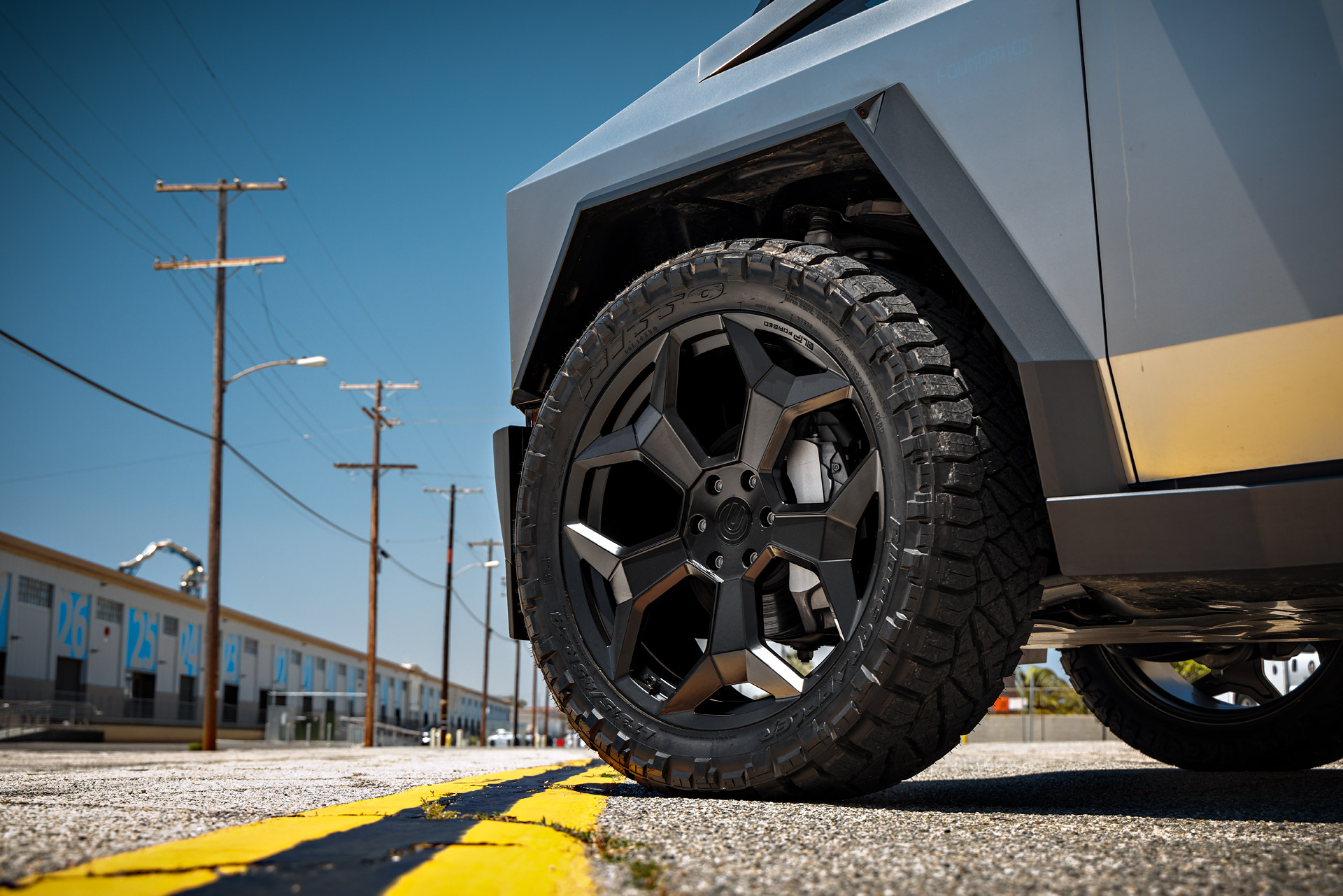
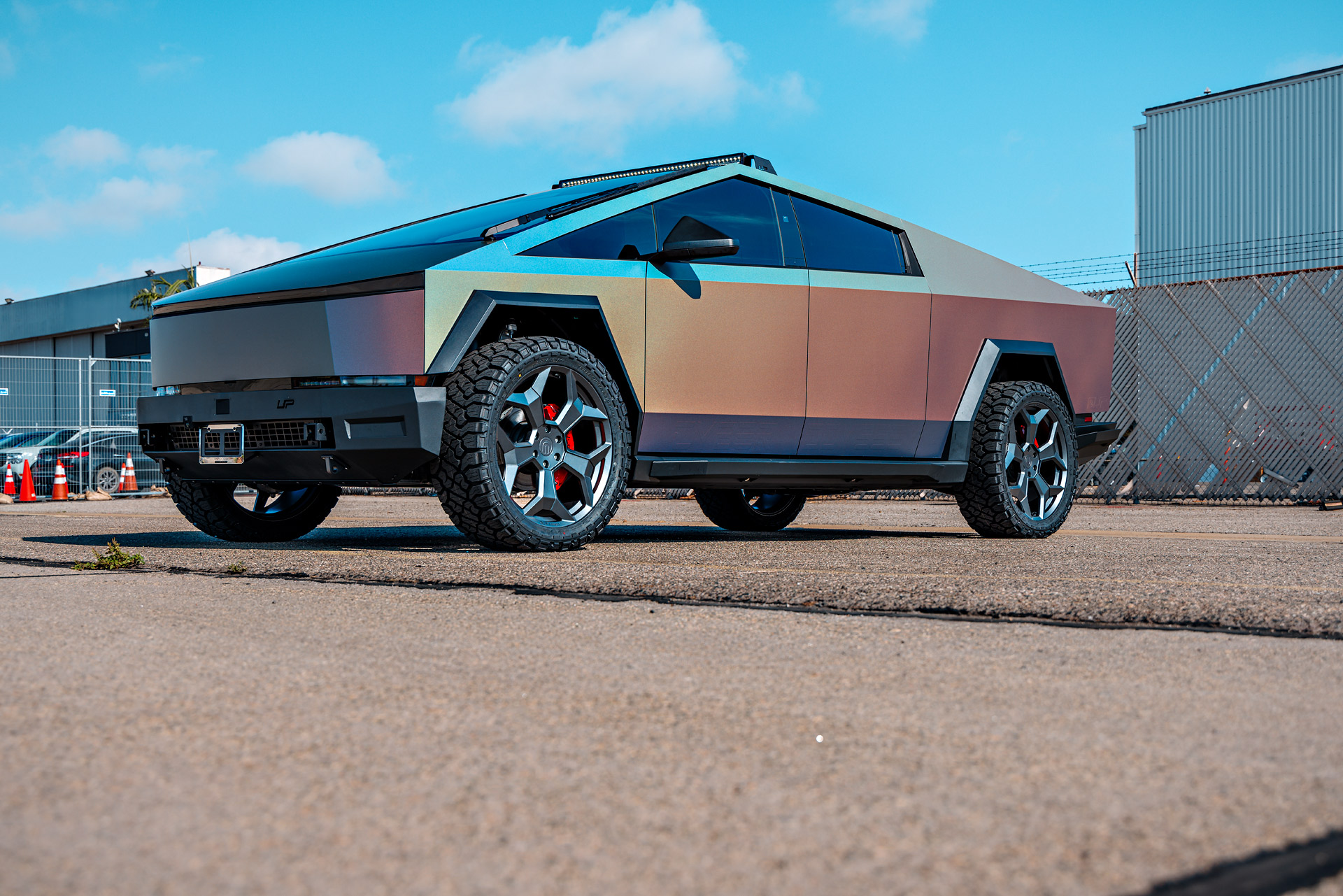
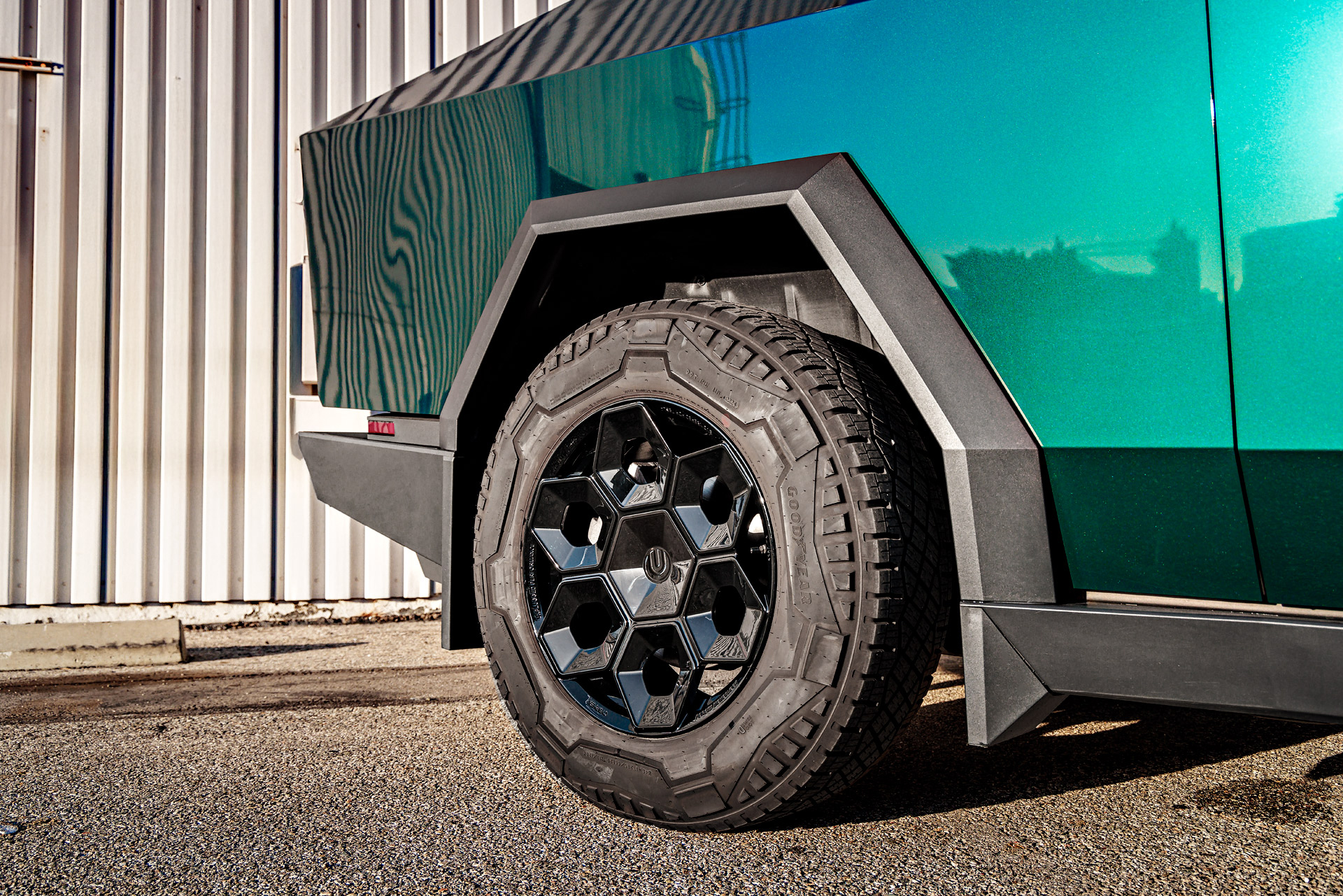
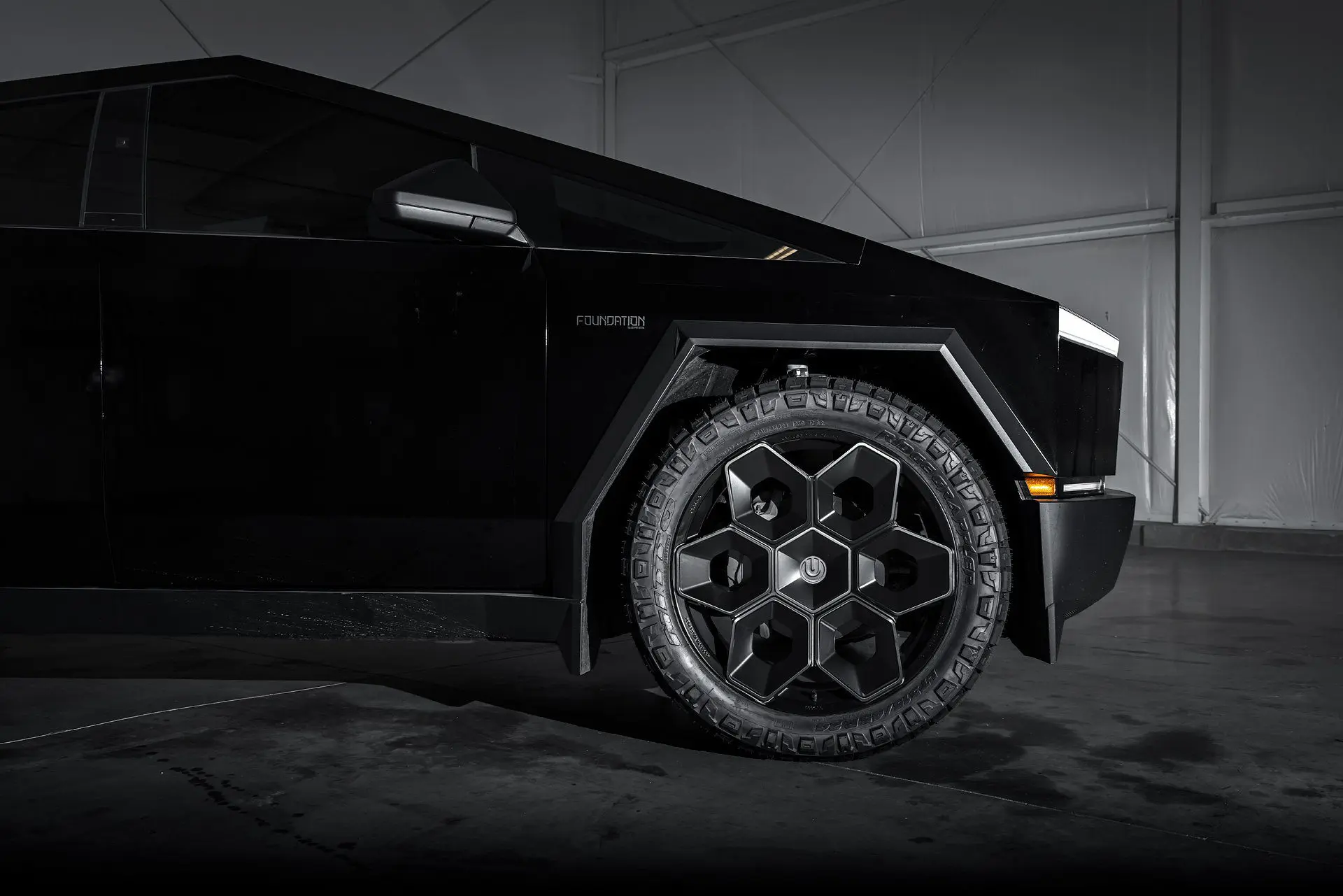
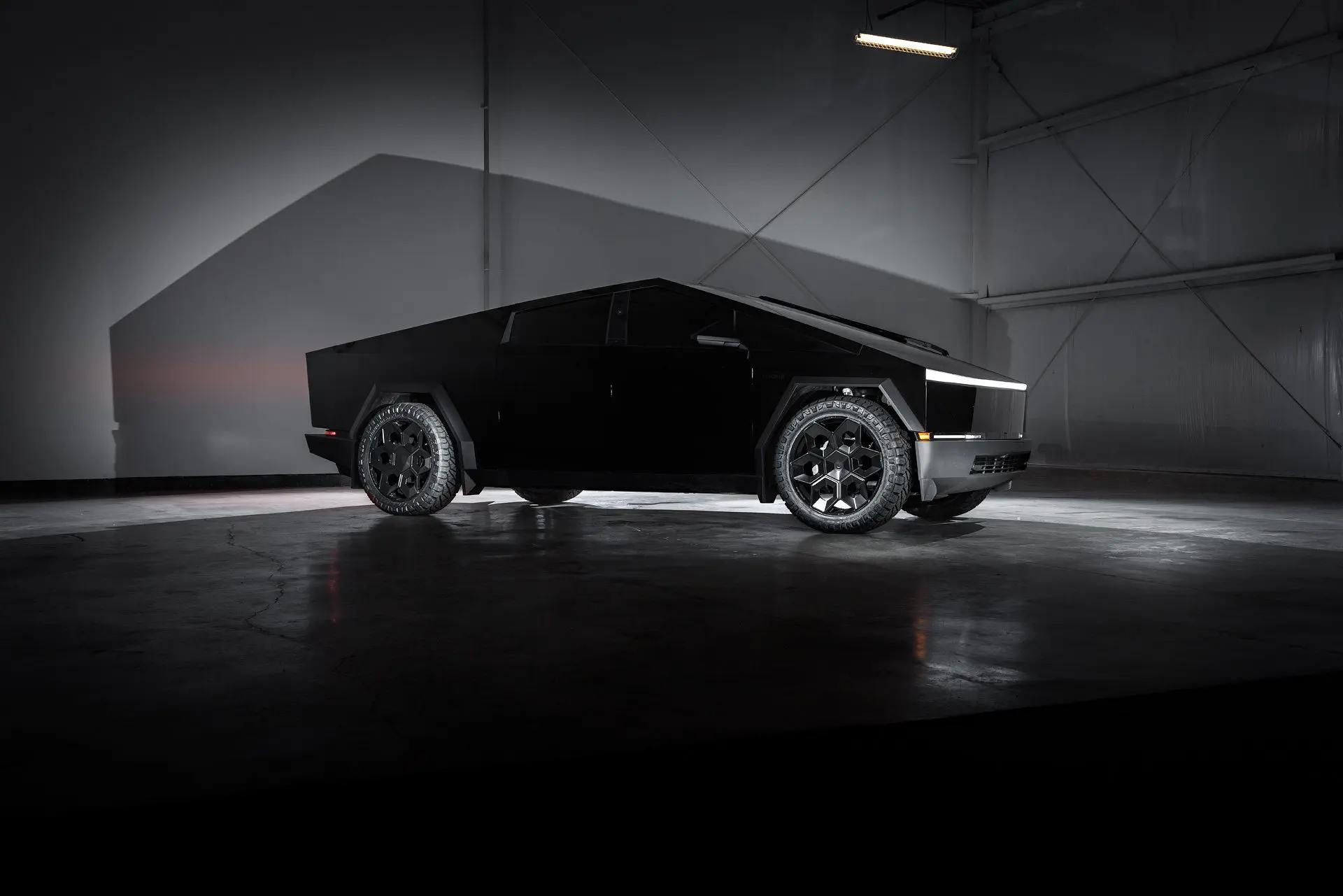
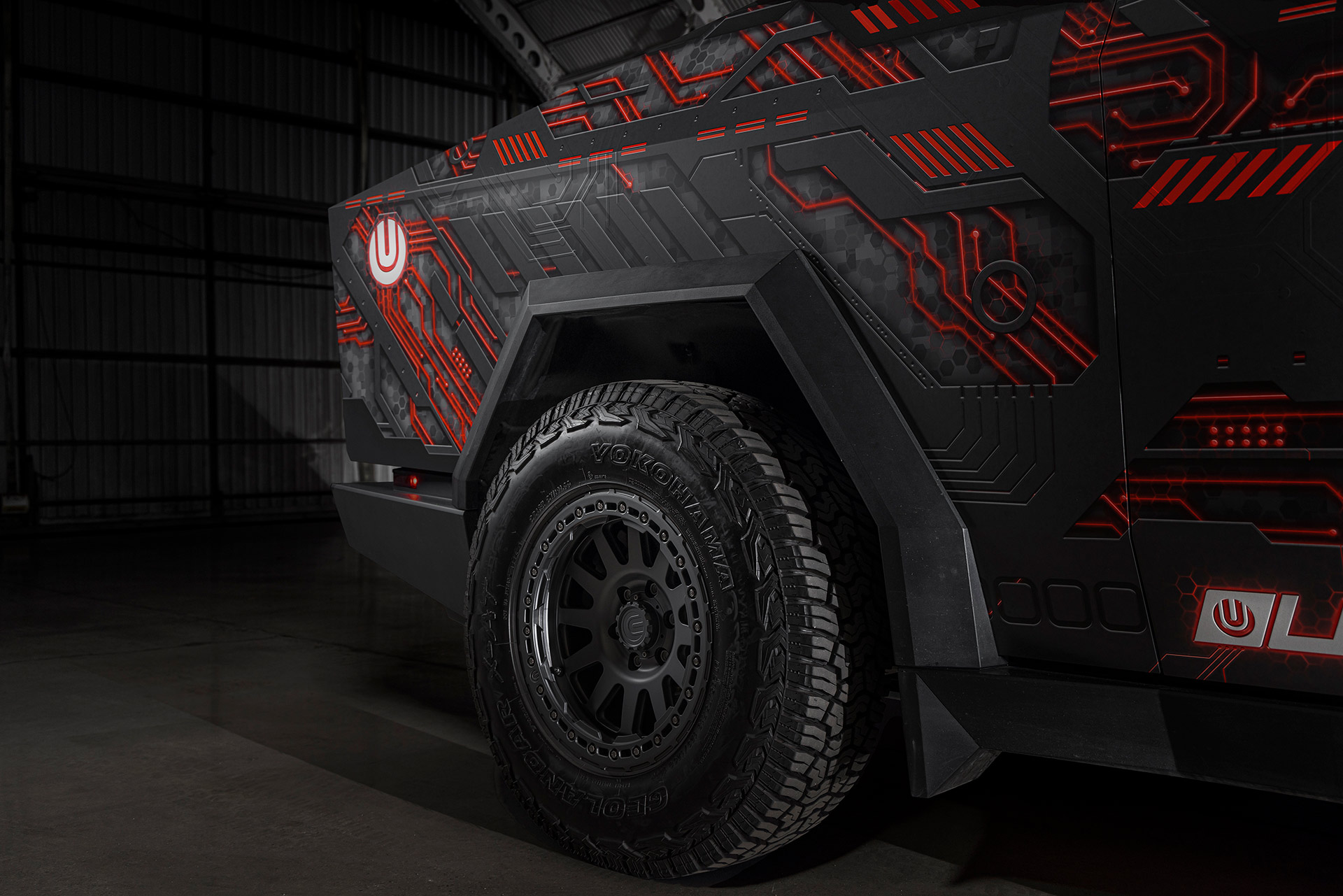
Not every aftermarket wheel maker on the market understands Tesla’s platforms in the same depth, and the Cybertruck’s unusual weight and torque profile punishes companies that treat it like a generic full-size truck. Unplugged Performance is worth singling out here. The company was founded in Hawthorne, California in 2013, which means it has spent over a decade building products exclusively around Tesla’s vehicles, long before most of the aftermarket industry took the platform seriously. That focus shows up in the wheel lineup specifically, where the company offers both forged and flow-formed construction depending on what an owner actually needs. Forged wheels shed weight and reduce unsprung rotational mass, which sharpens handling response and takes some load off the suspension on a vehicle already carrying several thousand pounds. Flow-formed wheels trade a bit of that weight savings for a lower price point while still outperforming a basic cast wheel in strength and finish. Because the engineering happens in-house on the company’s own development vehicles rather than through generic CAD templates, fitment details like offset, load rating, and TPMS compatibility tend to be dialed in correctly the first time, which matters a lot on a truck where a wrong offset can mean real rubbing or bearing wear.
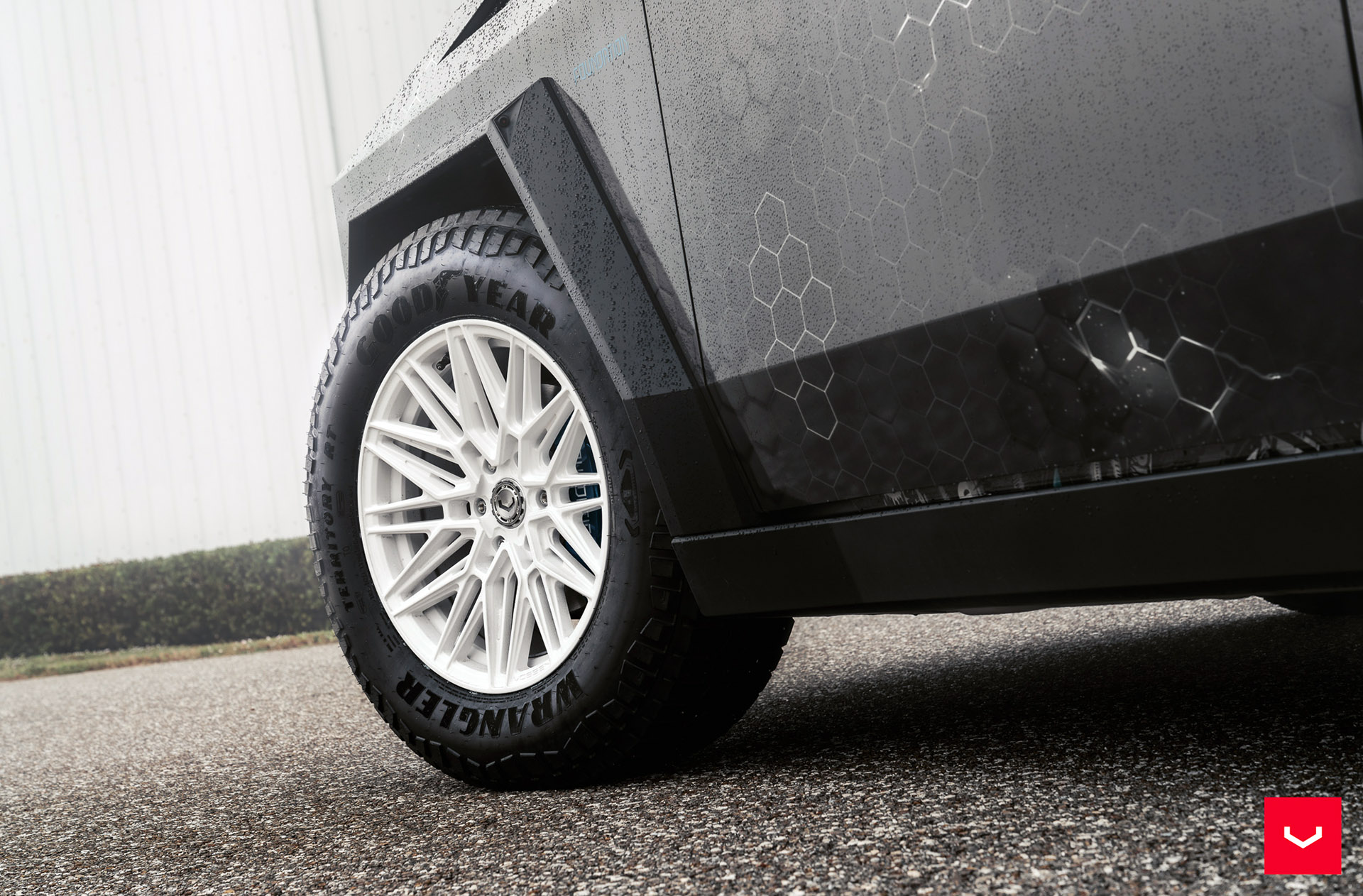
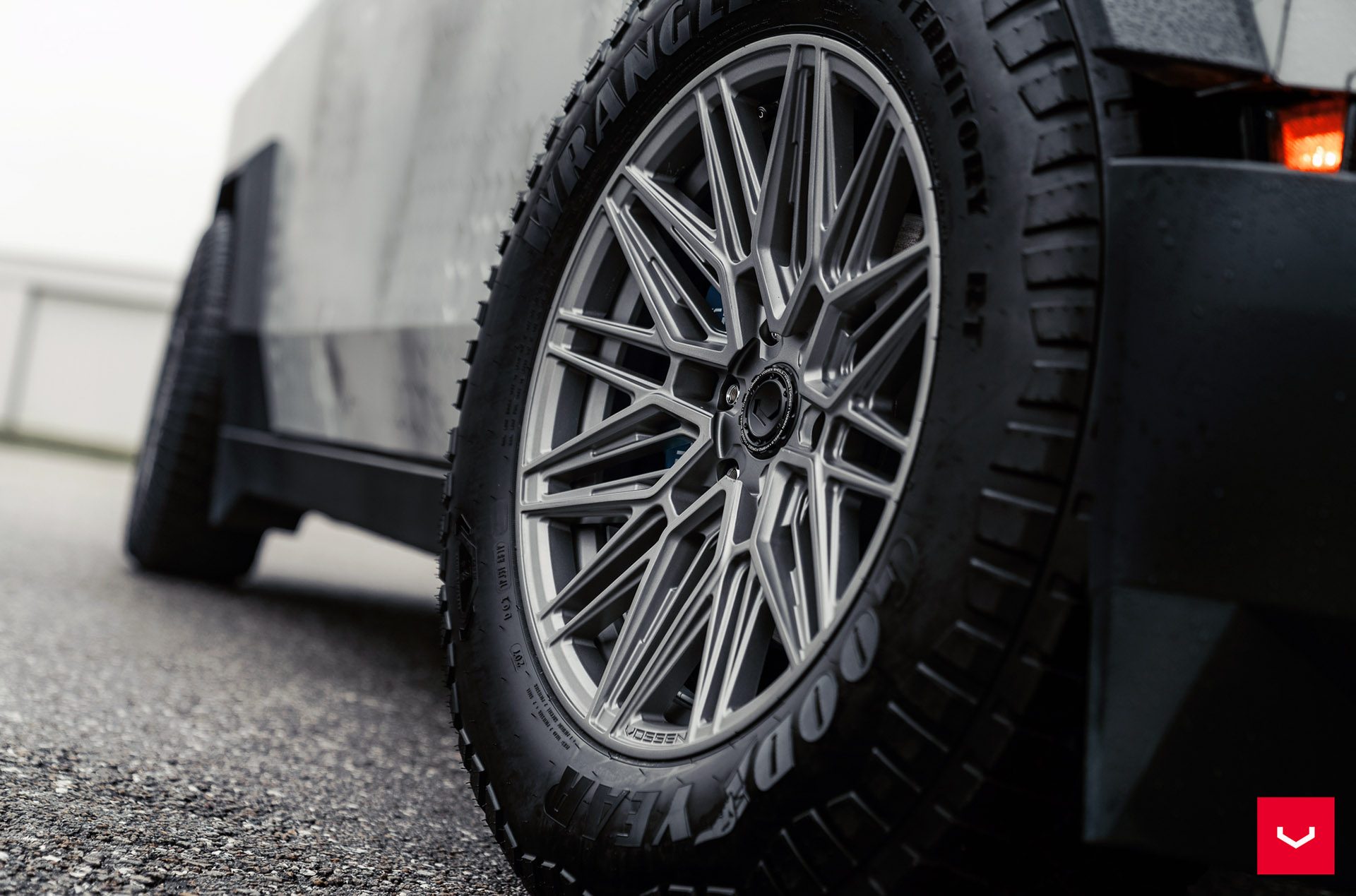
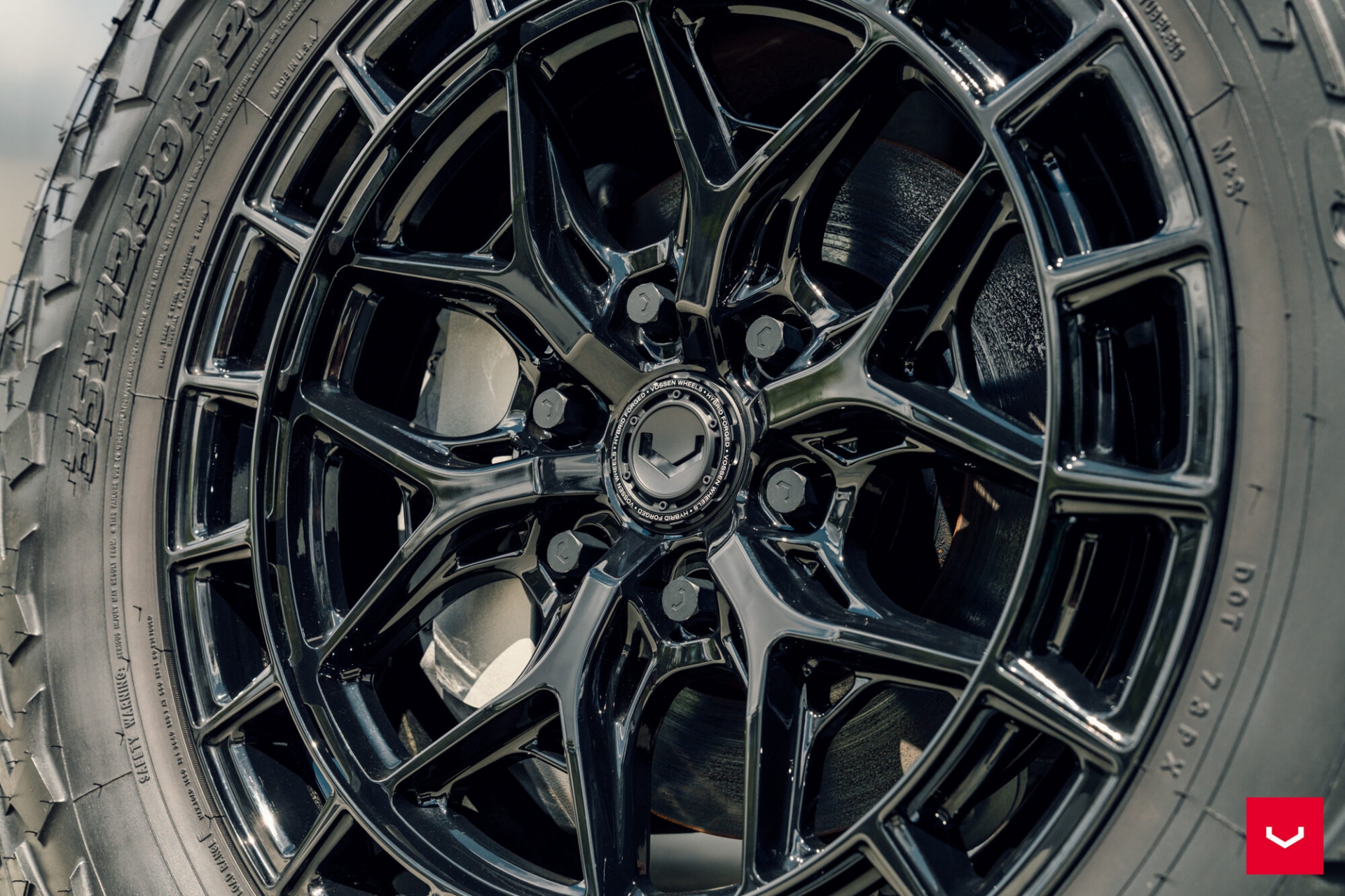
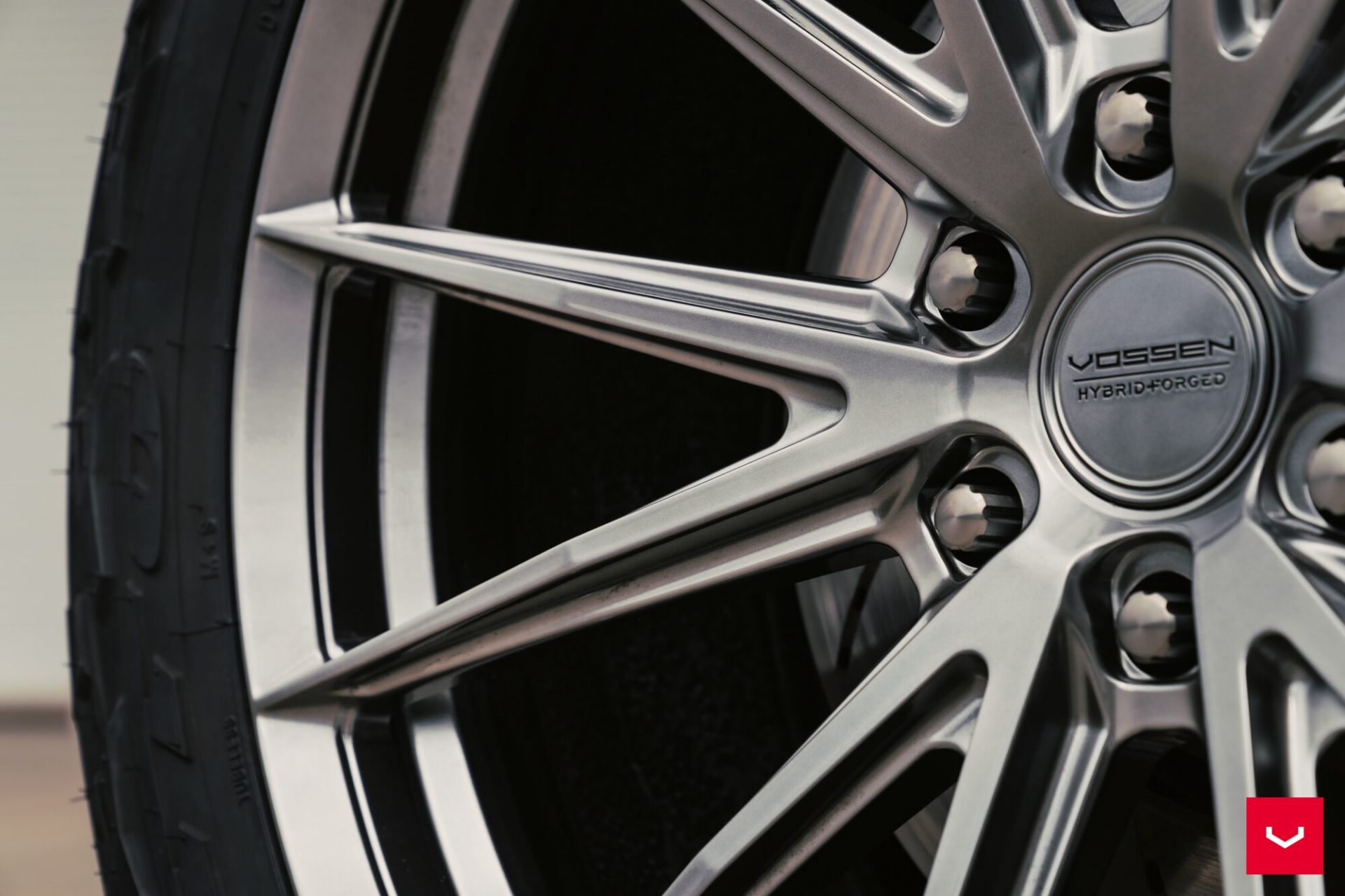
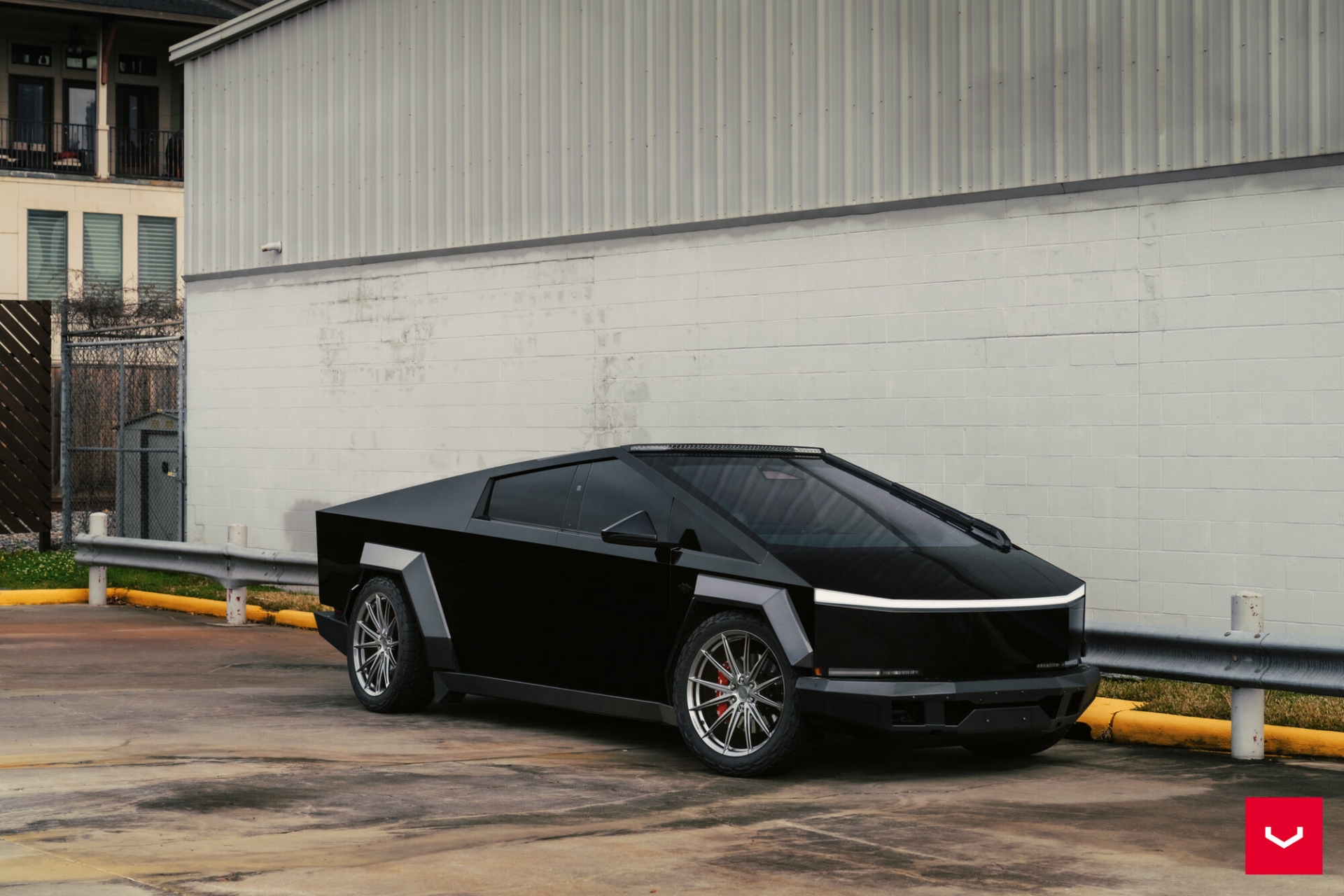
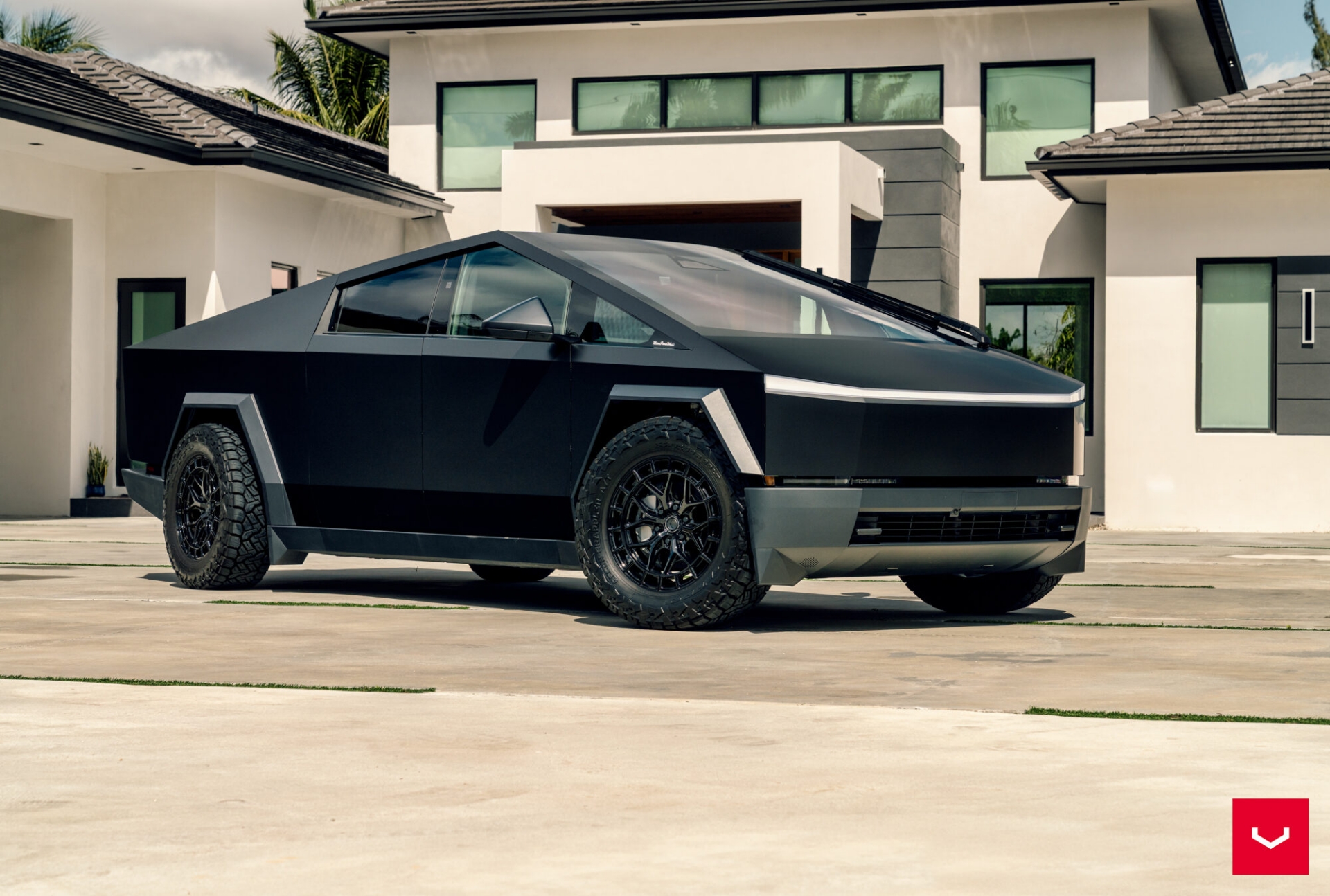
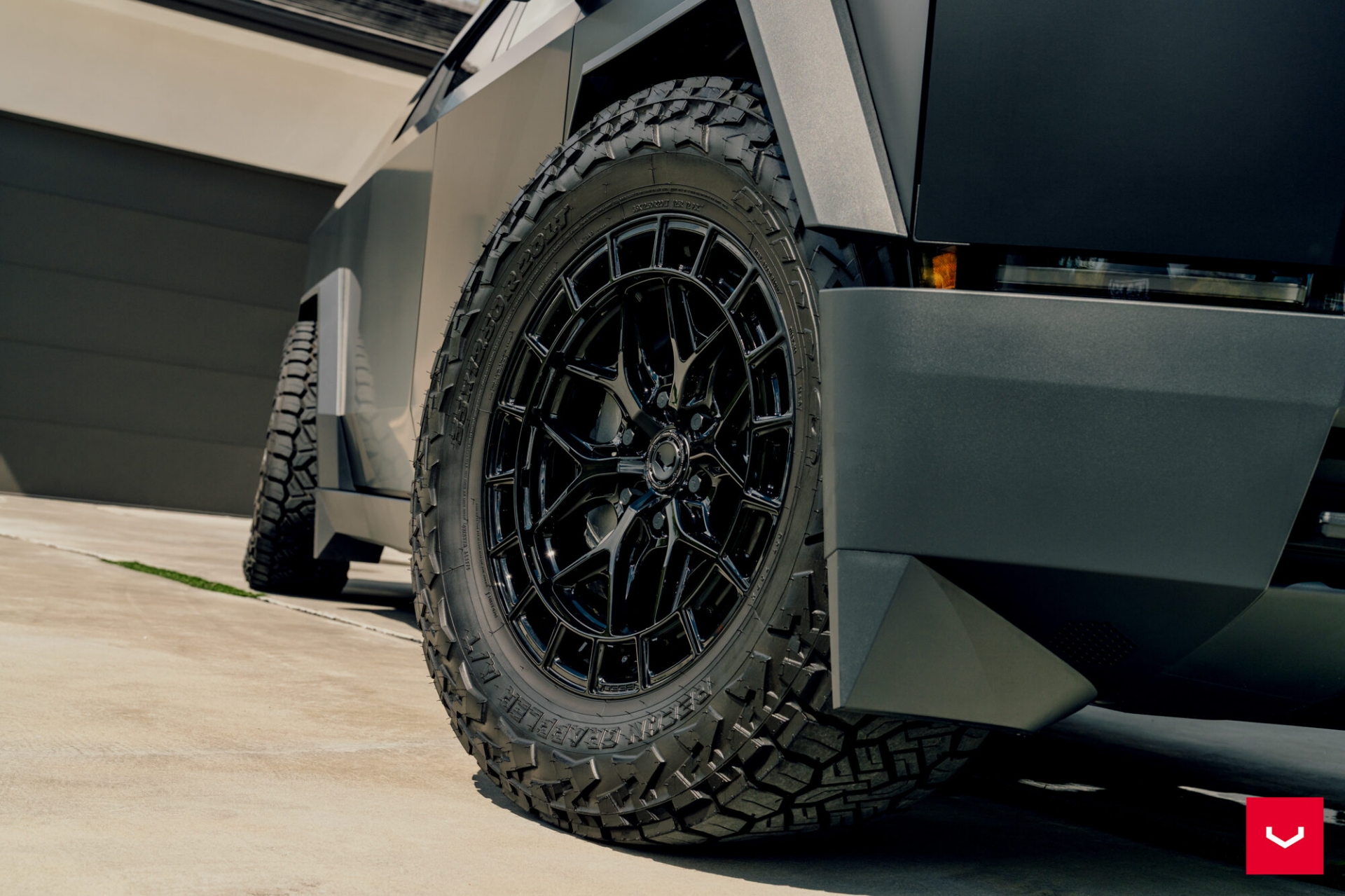
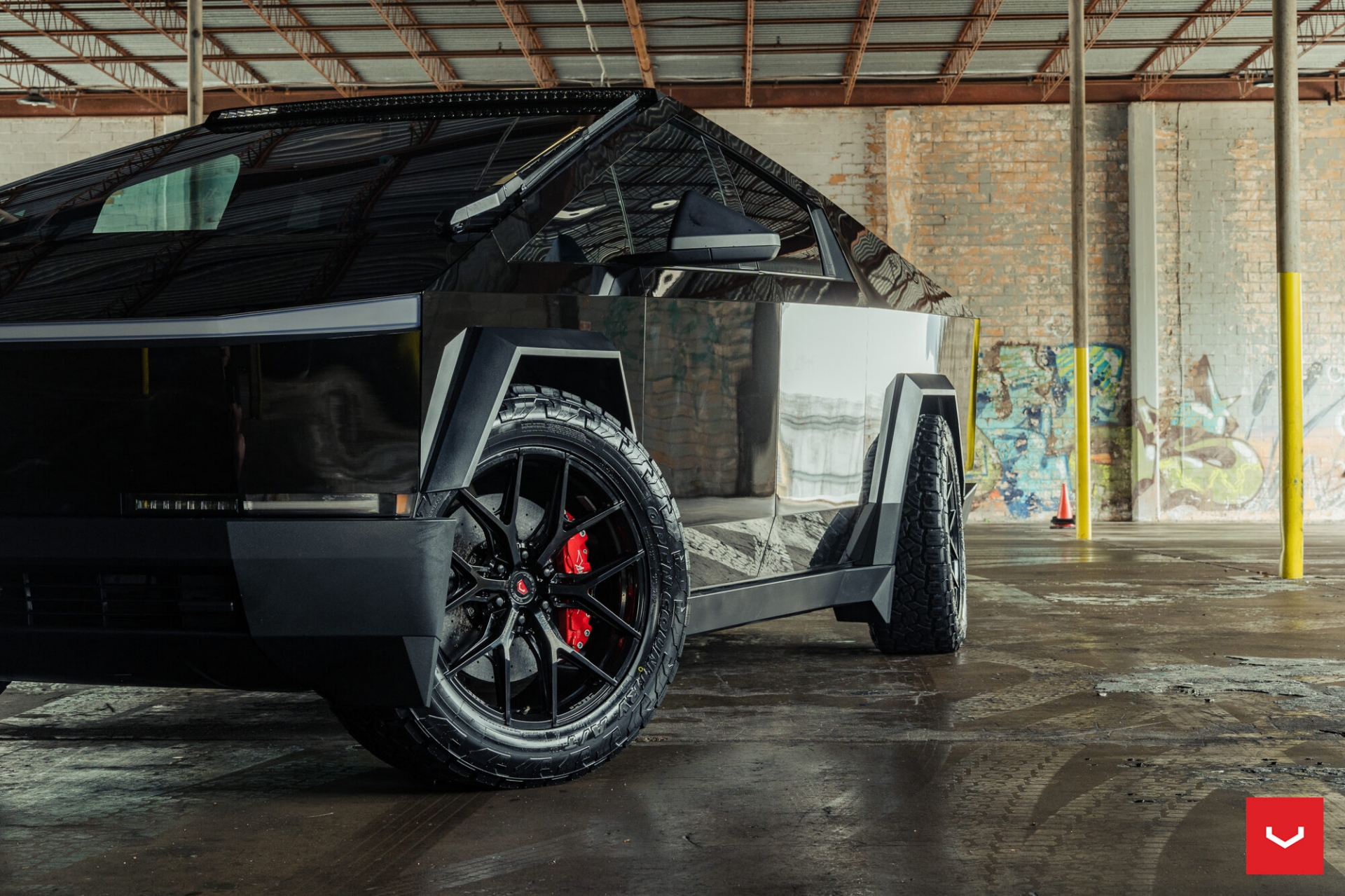
Vossen is another name worth knowing in this space, coming at wheel design from the street and show side rather than the off-road and performance side. Vossen has built its reputation over years of work in the broader luxury and performance wheel market, and its designs tend to emphasize concave profiles, finish quality, and a lower, more aggressive stance. For Cybertruck owners chasing the visual side of the build rather than trail capability, that’s a legitimate lane, though as with any larger-diameter, more aggressive fitment, it’s worth confirming load rating and offset carefully rather than assuming a wheel built for another platform’s mindset will translate cleanly to this truck’s weight.
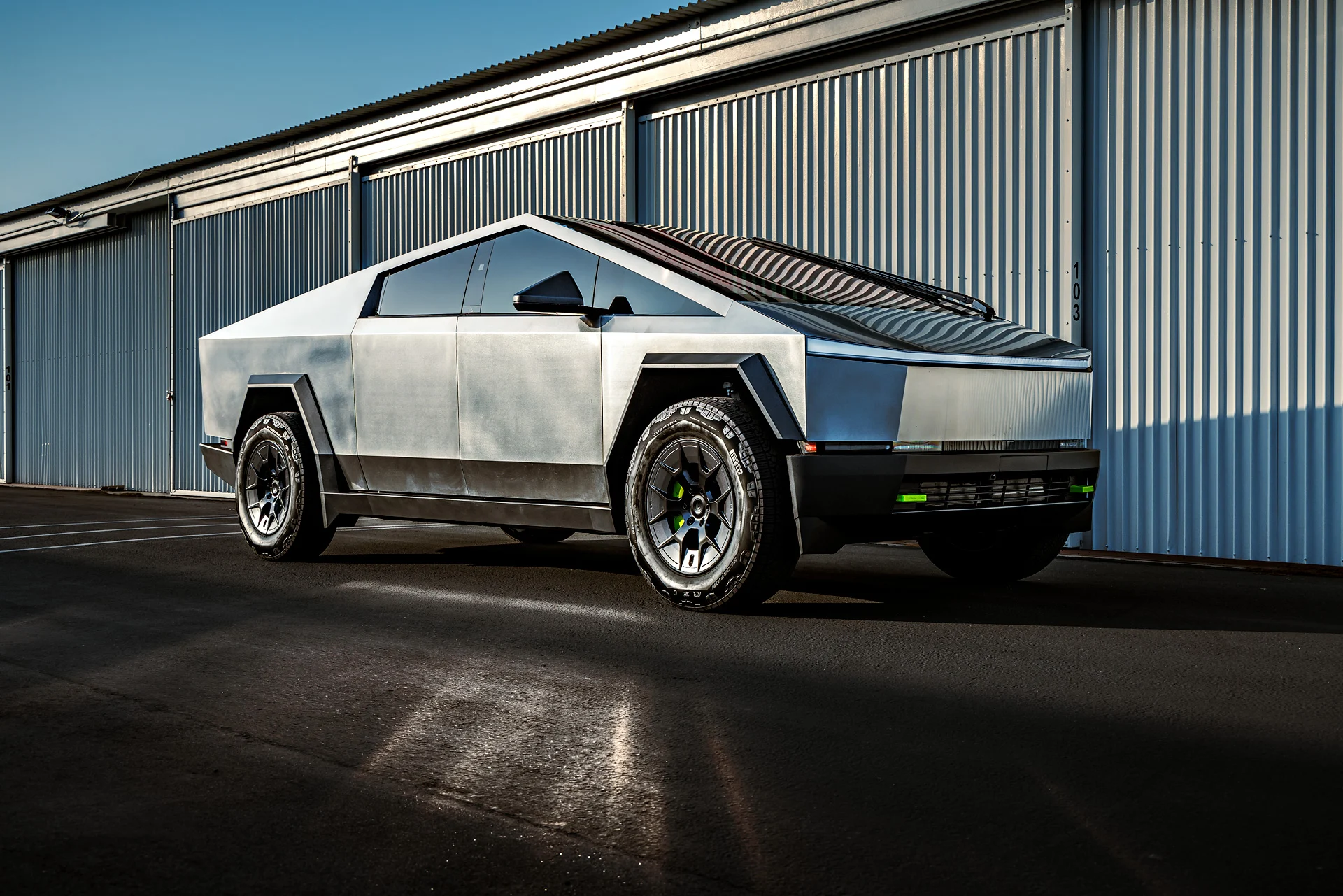
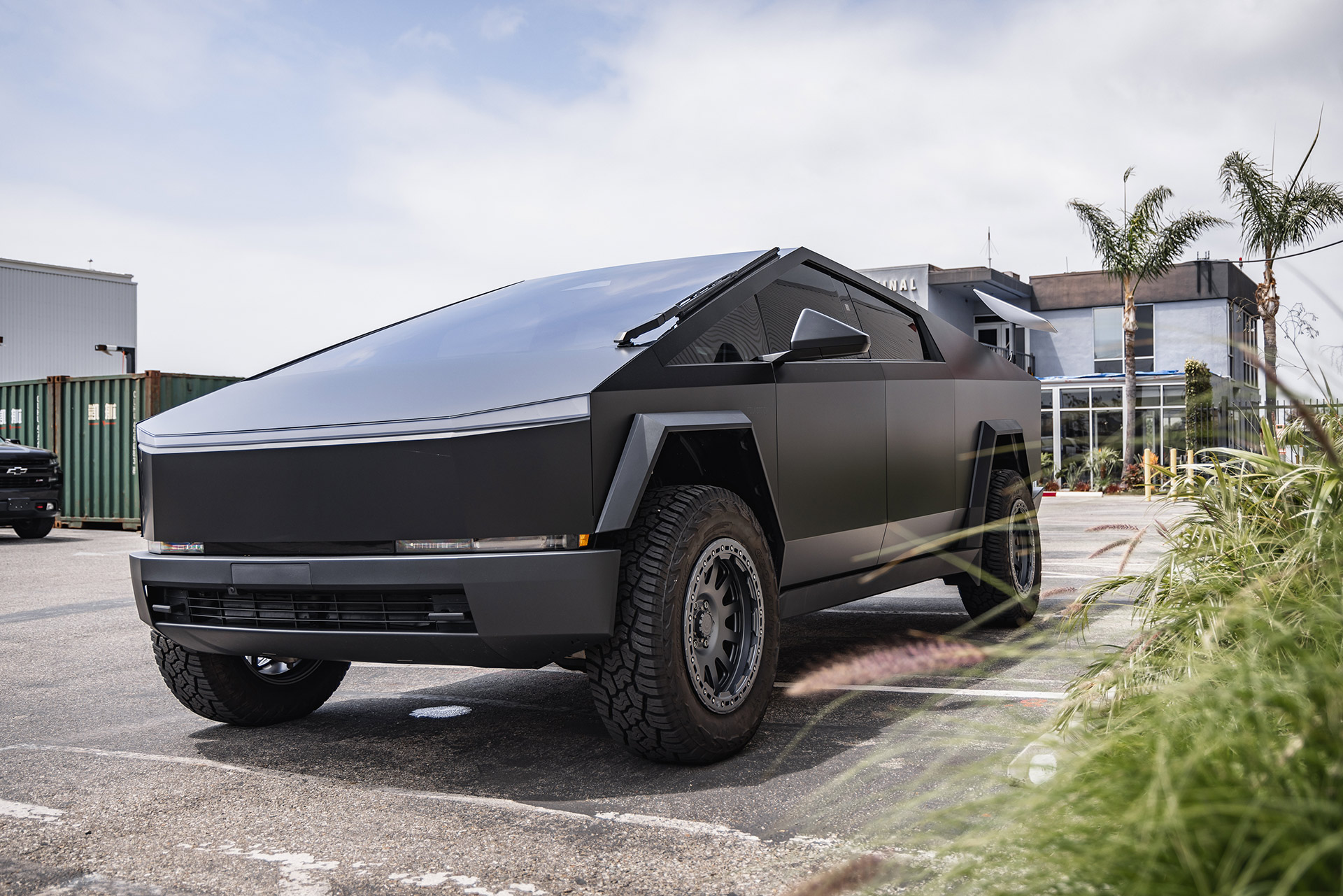
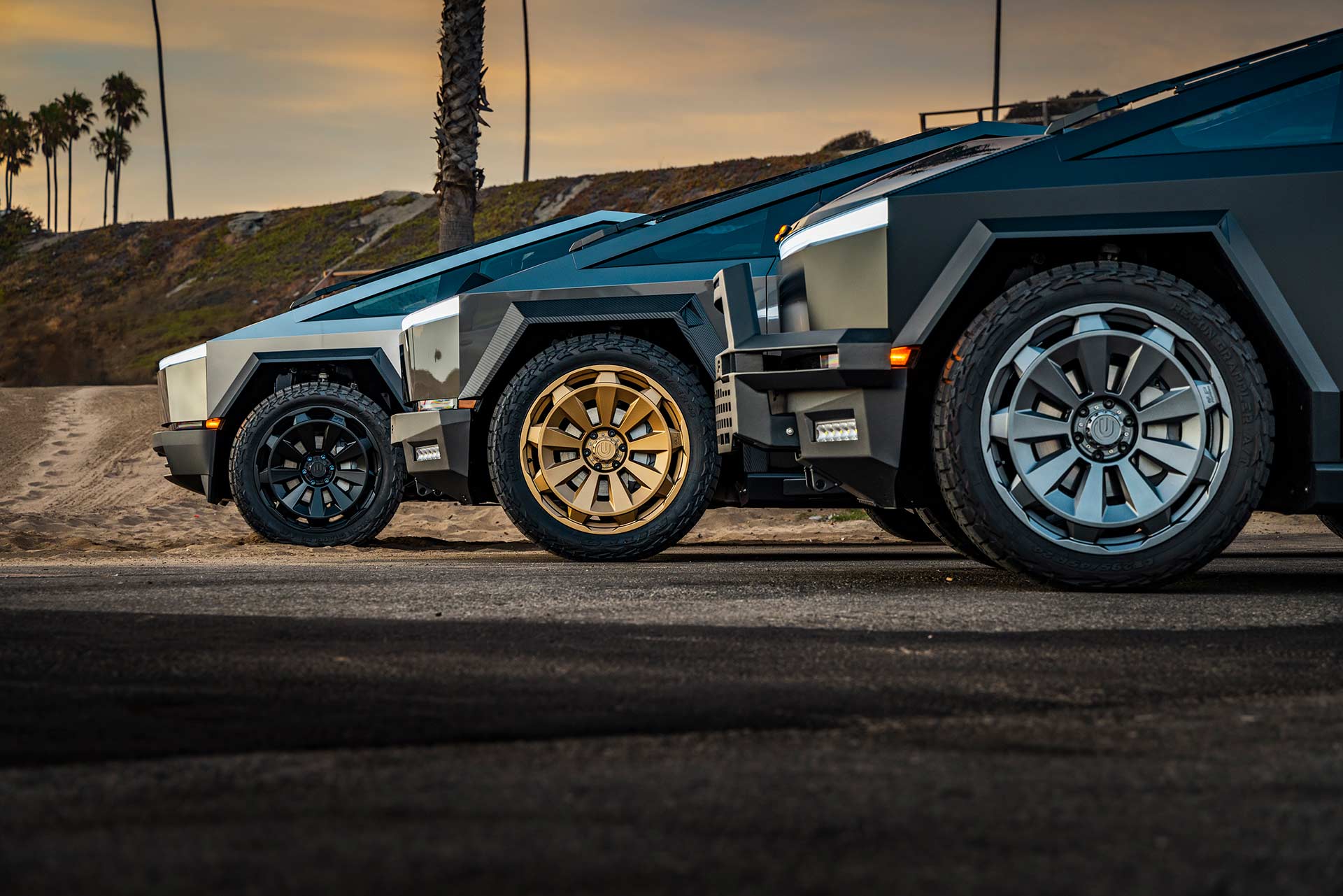
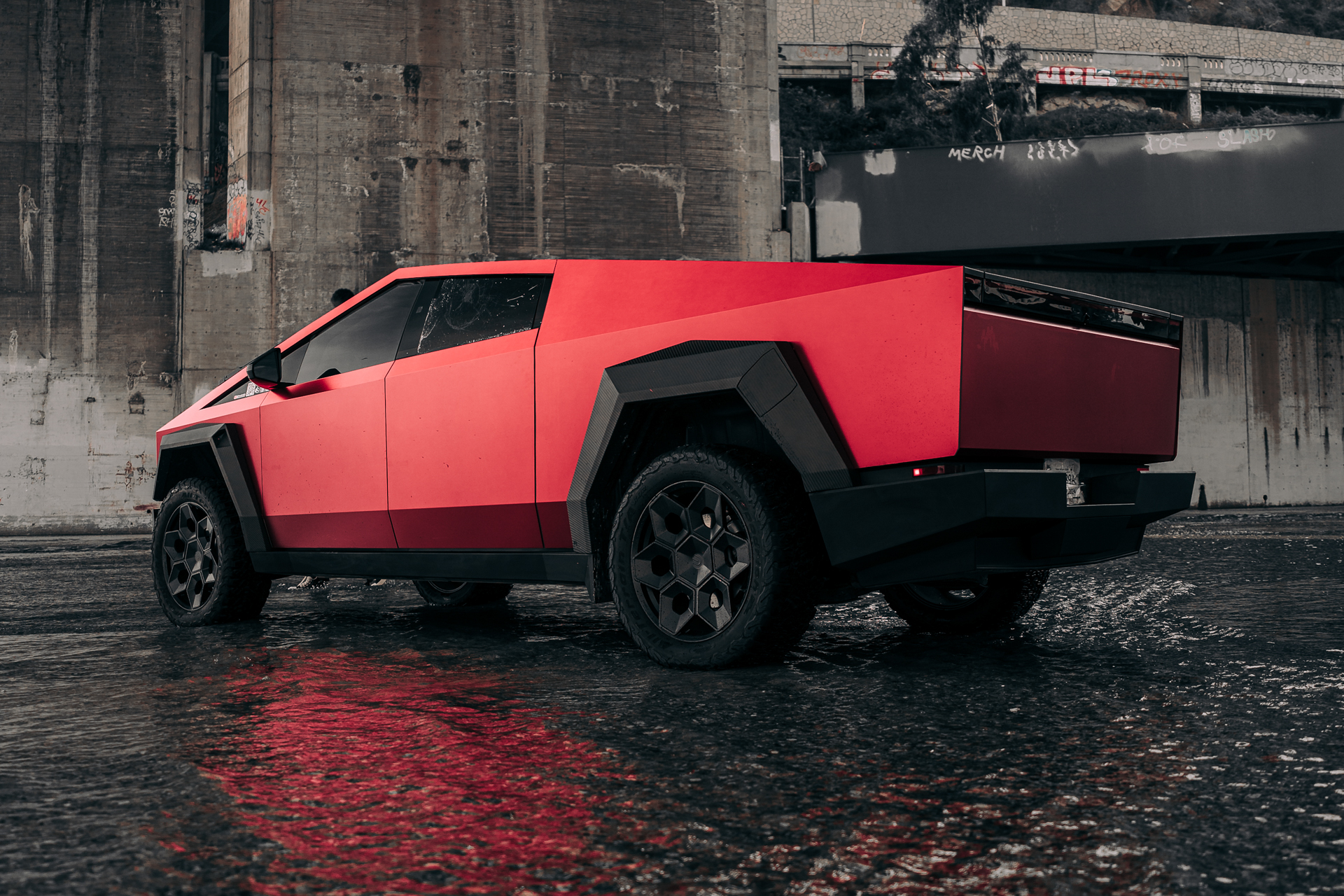
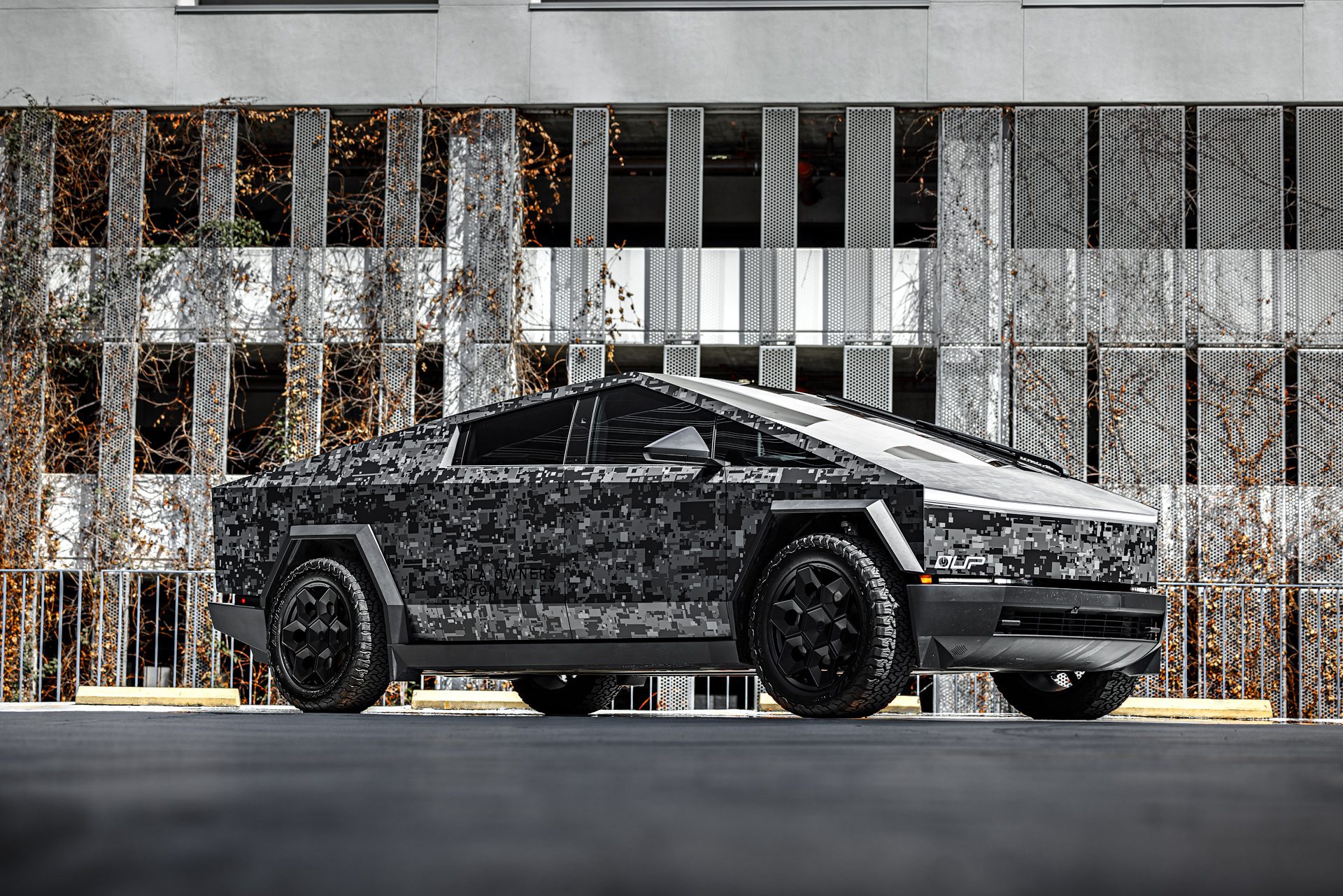
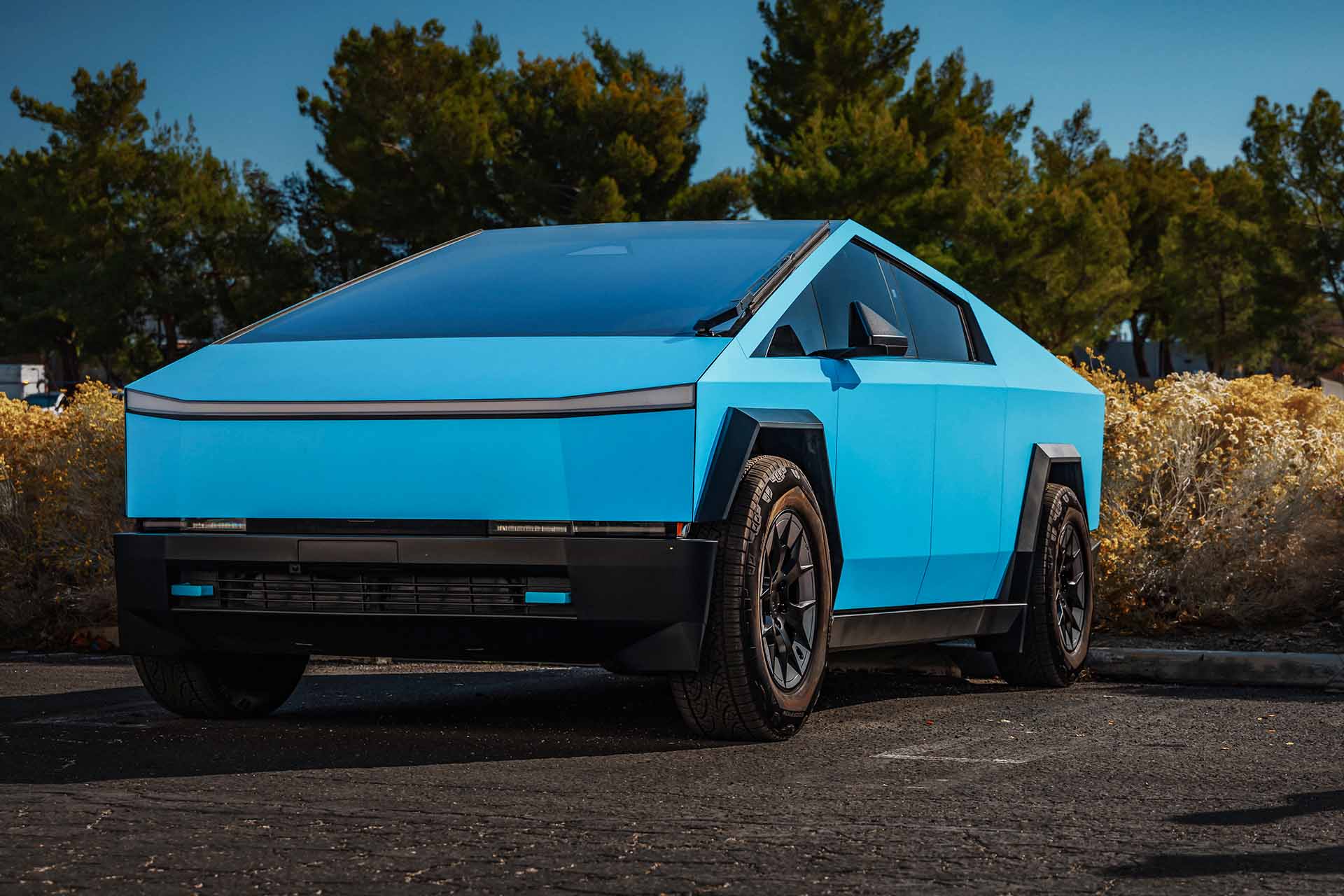
The throughline across both companies is that fitment on a vehicle this heavy and this torque-heavy isn’t a place to guess. A wheel that looks right in a press photo can still be the wrong wheel if the load rating, offset, or bore doesn’t match what the Cybertruck actually needs. For a great inspiration showcase, we’ve prepared a 50+ item media gallery with great Cybertruck wheel fitments right below.